Brazil’s Lula Suffers Three Congress Defeats in 10 Days
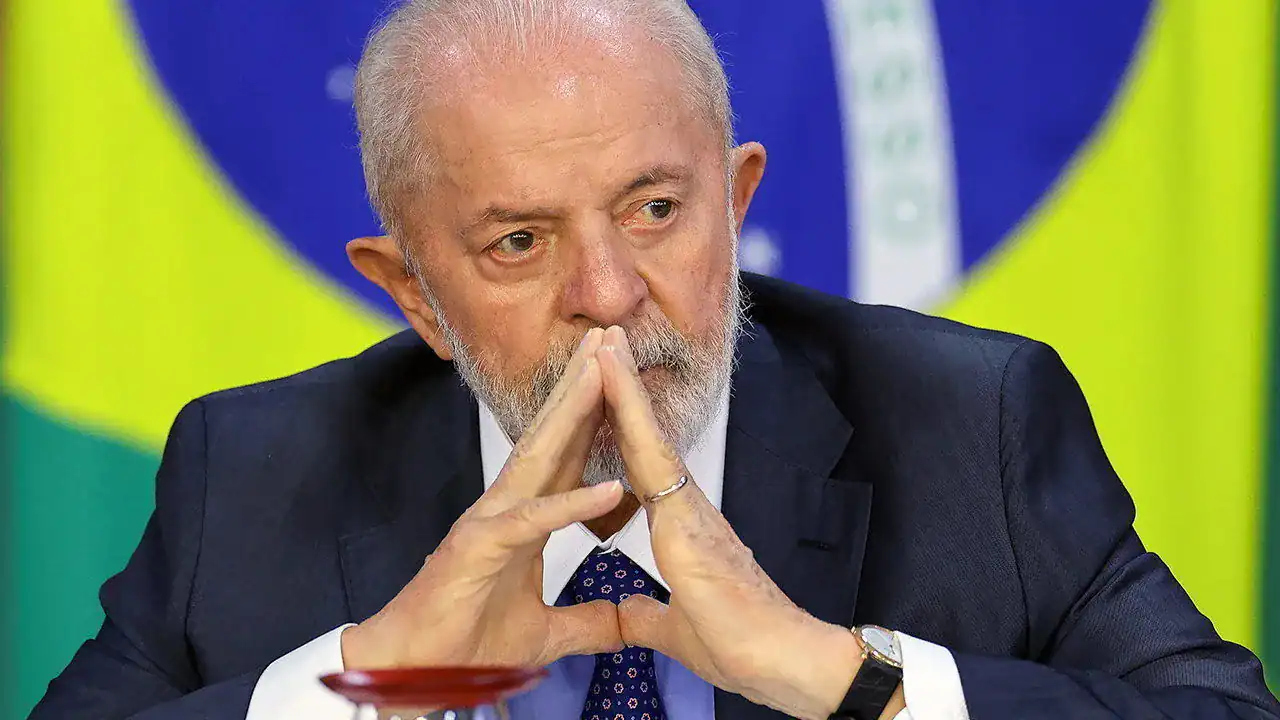
Brazilian President Luiz Inácio Lula da Silva absorbed three consecutive defeats from Congress between April 29 and May 8 in what political analysts already call the most painful 10-day stretch of his third term.
The Senate rejected his Supreme Court nominee Jorge Messias 42 to 34 on April 29 (the first such rejection in 132 years), Congress overrode his Dosimetria Law veto by 318 deputies and 49 senators on April 30, and Senate President Davi Alcolumbre promulgated the law on May 8 after Lula let the 48-hour deadline expire.
Justice Alexandre de Moraes counter-attacked on May 9 by suspending the sentence-cut law, but the message remained: the Palácio do Planalto’s relationship with the Centrão has frayed, with the government openly considering retaliation against Alcolumbre just five months before the October 2026 election.
Key Points
Key Facts
— Senate rejected Jorge Messias for STF by 42-34 on April 29, first rejection since 1894 (132 years).
— Congress overrode Dosimetria veto April 30 with 318 deputy and 49 senator votes.
— Alcolumbre promulgated the law May 8 after Lula’s 48-hour deadline expired.
— Justice Moraes suspended the law May 9, freezing reductions for 190 January 8 convicts.
— Government considering retaliation against Alcolumbre, mapping his cabinet positions.
A 10-Day Sequence
The Rio Times, the Latin American financial news outlet, reports that the Senate rejected Lula’s nomination of advogado-geral da União Jorge Messias for the Supreme Court on April 29 by a secret vote of 42 to 34, with one abstention, against the 41-vote majority required. The rejection broke a 132-year precedent, the last such rejection happening in 1894 under Floriano Peixoto when the Senate barred five nominees, making Lula the only president in the modern republican era to have a Supreme Court nominee blocked. All 29 prior Supreme Court nominations under the 1988 Constitution had been ratified, with Luiz Fux (68 votes), Mendonça and Dino all clearing the 41-vote threshold that Messias missed by 7 votes.
Just one day later, on April 30, the joint session of Congress overrode Lula’s full veto of the Dosimetria Law with 318 deputy votes and 49 senator votes, with Alcolumbre simultaneously trimming dispositions that conflicted with the Anti-Faction Law sanctioned in March 2026. The promulgation followed on May 8 after Lula let the 48-hour signing window expire, in keeping with Article 66 paragraph 7 which routes promulgation to the Senate President. Justice Moraes then suspended the law on May 9 in the Nara Faustino de Menezes case and 10 other petitions, naming himself relator of the ABI and PSOL-Rede unconstitutionality actions.
Alcolumbre as Architect
Senate President Davi Alcolumbre (União Brasil-AP), who Lula’s team had considered the safer chamber of the Legislature, openly worked for both Messias’s rejection and the Dosimetria override (although he denies the first). The Palácio do Planalto has now ordered an internal mapping of cabinet positions tied to Alcolumbre, signaling potential retaliation, while one government faction defends dialogue and another backs political reaction. Minister Guilherme Boulos framed the Messias rejection as a “bolsonarismo plus political blackmail alliance,” while PL House leader Sóstenes Cavalcante celebrated that Congress is starting to react.
| Event | Result |
|---|---|
| Messias STF vote (April 29) | 42 against / 34 for / 1 abstention |
| Last STF rejection before this | 1894 (132 years ago) |
| Dosimetria override (April 30) | 318 deputies + 49 senators |
| Alcolumbre promulgation | May 8 (after 48-hour deadline) |
| Moraes suspension | May 9 (rejected 10 petitions) |
| Lula 1st-year vetos overridden | 40% (Bolsonaro 1st year: 10%) |
| Months to October 2026 election | 5 |
Electoral Backdrop
PT operators are calibrating an “anti-system” pivot, citing the 2025 IOF (financial-operations tax) hike defeat from which Lula recovered using the “rich versus poor” framing; the narrative argument is that the Senate rejection lets the president cast himself as blocked by elite interests while pinning corruption attacks on Flávio Bolsonaro and the Centrão. The polling backdrop has tightened, with BTG/Nexus April 24-26 showing Lula 46 to Flávio Bolsonaro 45 in a runoff simulation (technical tie within the 2-point margin) and disapproval at 49% against 46% approval. Finance Minister Fernando Haddad responded that only collective brainwashing could explain the tightening, while the May 7 Lula-Trump Washington meeting agreed to settle remaining tariff disputes within 30 days.
Connected Coverage
For more on the Dosimetria fight, see our coverage of Justice Moraes suspending the Bolsonaro sentence-cut law, and for Brazil’s macro position see our analysis of the record April 2026 export figures of $34 billion.
What Happens Next
- 5 days: Presidency and Congress submit responses to Moraes on Dosimetria constitutionality.
- Coming weeks: Lula sends new STF nominee, likely after closer Alcolumbre coordination.
- October 2026: National election with Lula’s articulation as central campaign weakness.
More: Brazil news in English, every day from The Rio Times.
Frequently Asked Questions
What were the three Lula Congress defeats?
President Lula absorbed three consecutive Congress defeats between April 29 and May 8. The Senate rejected Supreme Court nominee Jorge Messias 42-34 on April 29 (first STF rejection in 132 years since 1894 under Floriano Peixoto), Congress overrode the Dosimetria Law veto on April 30 with 318 deputy votes and 49 senator votes, and Alcolumbre promulgated the law on May 8 after Lula’s 48-hour signing deadline expired. Justice Alexandre de Moraes counter-attacked May 9 by suspending the law’s application in the Nara Faustino de Menezes case and 10 other petitions pending STF plenário review.
Why was the Messias rejection historic?
The 42-34 Senate rejection of advogado-geral Jorge Messias broke a 132-year precedent: the last Supreme Court nomination blocked by the Senate dated to 1894 under Floriano Peixoto, when five nominees were rejected (most notably physician Candido Barata Ribeiro, who served as STF justice for 10 months before being removed by parliamentary vote). All 29 prior Supreme Court nominations under the 1988 Constitution had been ratified. Lula became the first modern republican president to have a nominee blocked, with comparable nominees Luiz Fux (68 votes), Mendonça and Dino each clearing the 41-vote threshold that Messias missed by 7 votes.
What is the Alcolumbre factor?
Senate President Davi Alcolumbre (União Brasil-AP) was the architect of both the Messias rejection and the Dosimetria veto override, working actively for both while publicly denying involvement in the first. His Senate had been considered the safer of the two chambers by Lula’s team, making the double defeat especially damaging. The Palácio do Planalto has reportedly ordered an internal mapping of government cabinet positions tied to Alcolumbre and his allies, signaling possible retaliation in coming weeks, with one government faction defending continued dialogue while another backs political confrontation five months before the October 2026 election.
How is the PT responding electorally?
PT operators are pivoting to an “anti-system” campaign frame, replicating the 2025 IOF (financial-operations tax) hike defeat playbook from which Lula recovered with a “rich versus poor” message. The polling backdrop has tightened sharply: BTG/Nexus April 24-26 shows Lula 46 to Flávio Bolsonaro 45 in a runoff simulation, a technical tie within the 2-point margin, with disapproval at 49% against 46% approval. Finance Minister Fernando Haddad attributed the tightening to “collective brainwashing,” while Lula plans to address the electorate as a candidate blocked by elite interests rather than as an incumbent struggling to articulate Congress.
Updated: 2026-05-11T07:00:00Z by Rio Times Editorial Desk
This article was produced by The Rio Times’ automated newsroom system. How we use AI · Report an error · Editorial responsibility: Matthias Camenzind, Editor-in-Chief