Braskem Q1 2026 Operational Data Weak but Citi Sees Spread Recovery Ahead
Braskem resin sales fell 3% to 782,000 tonnes in Q1 2026, ethylene use dropped to 69%. Citi holds Neutral with R$10 target — here's what it means.
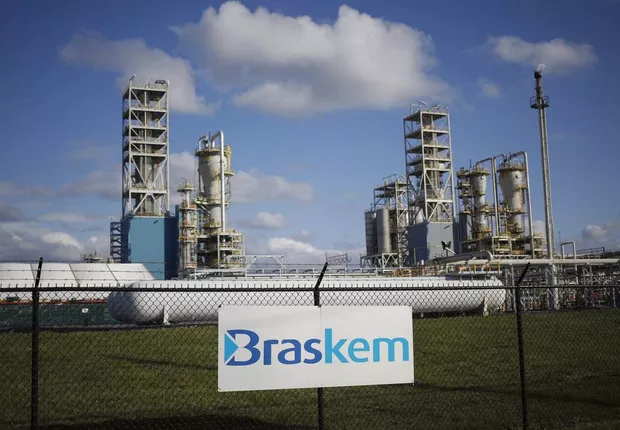
Braskem (B3: BRKM5), Latin America’s largest petrochemical company, released its Q1 2026 operational report on Tuesday May 5, showing Brazilian resin sales of 782,000 tonnes (down 3 percent year-on-year) and chemical sales of 622,000 tonnes (down 2 percent), with domestic ethylene utilisation falling to 69 percent from 74 percent a year ago, according to the company’s CVM filing.
Mexico was the main point of deterioration, with a sharp drop in utilisation at Braskem Idesa driven by reduced ethane supply from Pemex, per the report. Citi maintained a Neutral/High Risk rating with a R$10 target (+7 percent upside), calling the data “negative” but noting that “spreads improved across segments on a quarterly basis” due to Middle East conflict effects on global petrochemical pricing, according to the bank’s research note published Wednesday.
Key Points
What Braskem Reported in the Q1 2026 Operational Preview
This is an operational preview (relatório operacional de produção e vendas), not a full earnings release — financial results including net income, EBITDA, cash flow, and balance sheet data will follow later. The preview covers production volumes, sales, utilisation rates, and spread dynamics across Braskem‘s three geographic segments: Brazil/South America, United States/Europe, and Mexico (Braskem Idesa).
In Brazil, the 3 percent decline in resin sales and 2 percent decline in chemical sales reflect continued pressure from imported Chinese resins and weaker domestic demand under the 14.50 percent Selic rate. The ethylene utilisation rate of 69 percent at end-March — down 5 percentage points from 74 percent a year earlier — indicates that Braskem continues to operate well below the 85 percent+ levels needed for meaningful operating leverage. Resin spreads fell 6 percent and chemical spreads 12 percent year-on-year, compressing margins further in the home market, according to the filing.

“Braskem reported negative operational numbers, reflecting primarily the sharp drop in utilisation in Mexico,” Citi analysts wrote in their Wednesday research note. The Mexican operation — Braskem Idesa, a joint venture with Grupo Idesa using Pemex-supplied ethane — suffered from “the reduction in ethane imports and lower Pemex supply,” driving utilisation to levels that make the operation marginally viable at best. The bank attributed the problem to Pemex’s ongoing production decline and Braskem Idesa’s liquidity-preservation measures, which limit ethane procurement from alternative sources.
Live Company IntelligenceBraskem S.A — the full investor dossier
Valuation & profitability
Price & risk
$3.5252-wk high
$13.78
Revenue trend · 6y
Ownership
Dividend
Why This Operational Preview Matters
The Q1 data extends a pattern of operational weakness that has persisted since mid-2024. In Q4 2025, Braskem posted a net loss of approximately US$2 billion with leverage at 14.7x ND/EBITDA, cash burn of approximately US$206 million per quarter, and a liquidity runway that XP Investimentos estimated at roughly seven quarters at current consumption rates. The Q1 2026 operational preview confirms that neither volume nor spread conditions have improved enough to alter this trajectory on the domestic side.
The sequential spread improvement, however, is a genuine positive signal. The Middle East conflict — which has driven Brent above US$90 and disrupted petrochemical shipping routes through the Strait of Hormuz — has tightened global supply and pushed up naphtha-based resin prices. Citi stated that they “continue to see a better scenario in the coming quarters, reflecting higher spreads and a likely improvement in competitiveness.” If the geopolitical premium persists through Q2–Q3, it could provide the spread recovery that Braskem needs to return to positive EBITDA generation, according to the bank’s outlook. The anti-dumping duties on Chinese PE imports — in effect since August 2025 — have not yet stemmed the loss of domestic market share. XP’s Q4 2025 analysis found that Braskem’s share of the Brazilian PE market (domestic production plus imports) fell from 48 percent in Q2 2025 to 43 percent in Q4 2025.
Braskem Q1 2026 Operational Snapshot by Segment
| Segment | Utilisation | Sales (kt) | Spread Chg YoY |
|---|---|---|---|
| Brazil — Resins | 69% (vs 74%) | 782 (-3%) | -6% |
| Brazil — Chemicals | — | 622 (-2%) | -12% |
| US / Europe — PP | 79% (vs 74%) | 496 (~flat) | -2% ($368/t) |
| Mexico — PE (Idesa) | Sharp decline | Sharp decline | — |
Source: Braskem CVM operational filing, May 5, 2026. Citi research note, May 6, 2026.
How This Reframes Braskem’s Investment Case
Braskem remains in the most precarious financial position of any major B3-listed company. With leverage at approximately 14.7x ND/EBITDA (as of Q4 2025), gross debt of approximately US$9.4 billion, ongoing Alagoas environmental liabilities exceeding R$15 billion in cumulative spending, and the unresolved Novonor control-stake sale to Nelson Tanure, the operational weakness documented in the Q1 preview confirms that the company needs external catalysts — not just internal improvement — to stabilise.
Citi’s forward-looking view is that those catalysts may be emerging. The sequential spread improvement driven by Middle East geopolitics, the PRESIQ (Special Regime for the Chemical Industry) legislative programme offering tax incentives, and recent import tariff increases on Chinese resins form a three-pillar support structure that could improve Braskem’s domestic competitiveness over the next 12 months. The bank’s R$10 target — a modest 7 percent upside from R$9.36 — reflects this cautiously constructive view: “We continue to see a better scenario in coming quarters, reflecting higher spreads and a likely improvement in competitiveness,” Citi stated, while warning that “the Q1 2026 numbers still reflect a difficult petrochemical market, with Mexico remaining the main negative highlight.”
What Happens Next for Braskem
Full Q1 2026 earnings: The complete financial results — including EBITDA, net loss, cash flow, and leverage — will be released in the coming weeks. Analysts will focus on whether the sequential spread improvement translated into a meaningful EBITDA recovery from Q4 2025’s approximately US$109 million recurring level.
Novonor control-stake sale: The exclusive negotiation between Nelson Tanure and Novonor for the 50.1 percent voting stake — subject to four creditor bank vetoes and Petrobras preemptive rights — remains the governance catalyst that could unlock strategic options for the company.
Spread trajectory: If the Middle East conflict persists through Q2–Q3, geopolitical disruption to global petrochemical supply chains should continue supporting higher resin and chemical spreads, per Citi’s analysis.
Mexico stabilisation: Braskem Idesa’s ability to secure alternative ethane supply — through its import terminal or resumed Pemex deliveries — will determine whether the Mexican operation remains a drag or begins contributing positively.
Frequently Asked Questions
What did Braskem report in Q1 2026?
Braskem released its Q1 2026 operational preview on May 5, 2026, showing Brazilian resin sales of 782,000 tonnes (down 3 percent year-on-year) and chemical sales of 622,000 tonnes (down 2 percent). Ethylene utilisation in Brazil fell to 69 percent from 74 percent. This is an operational report, not full earnings. Financial results including net income and EBITDA will follow in the coming weeks.
Why did Braskem’s Mexico operations deteriorate?
Braskem Idesa in Mexico suffered a sharp utilisation decline due to reduced ethane supply from Pemex and liquidity-preservation measures at the subsidiary. Citi called Mexico “the main negative highlight” of the Q1 report. Pemex’s ongoing production decline has structurally reduced the volume of ethane available for Braskem Idesa, and the import terminal has not fully offset the shortfall.
What is Citi’s view on Braskem going forward?
Citi maintains a Neutral/High Risk rating on BRKM5 with a R$10 price target, representing approximately 7 percent upside from the R$9.36 level on May 6, 2026. The bank said it sees “a better scenario in the coming quarters, reflecting higher spreads and a likely improvement in competitiveness,” driven by the Middle East conflict tightening global petrochemical supply. However, the near-term outlook remains challenging with Mexico as the main drag.
Updated: 2026-05-06T14:00:00-03:00 by Rio Times Editorial Desk
Braskem Q1 2026 | BRKM5 operational preview | Brazil petrochemical resins spreads | Braskem Idesa Mexico | Latin American financial news | The Rio Times
This article was produced by The Rio Times’ automated newsroom system. How we use AI · Report an error · Editorial responsibility: Matthias Camenzind, Editor-in-Chief
LatAm Markets: Live Signals → — real-time movers, turnover leaders and FX across Latin America.