Argentina Courts Europe on Defense, Days After a US Deal
Argentina · Markets
Key Facts
—The move. Argentina and the European Union have opened talks on a defense framework agreement.
—What it allows. Argentine troops and civilians could join EU-led crisis and peacekeeping missions worldwide.
—Days apart. It lands barely a week after Argentina signed a separate defense deal with the United States.
—Two tracks. President Milei is courting both Washington and Brussels at the same time.
—Trade too. Europe and Argentina just began applying the long-delayed Mercosur-EU trade pact.
—Early days. These are negotiations only; nothing has been signed or takes effect yet.
The opening of Argentina defense talks with the European Union, just days after a similar deal with Washington, shows President Javier Milei doing something subtler than simply picking a side: he is courting both halves of the Western alliance at once.
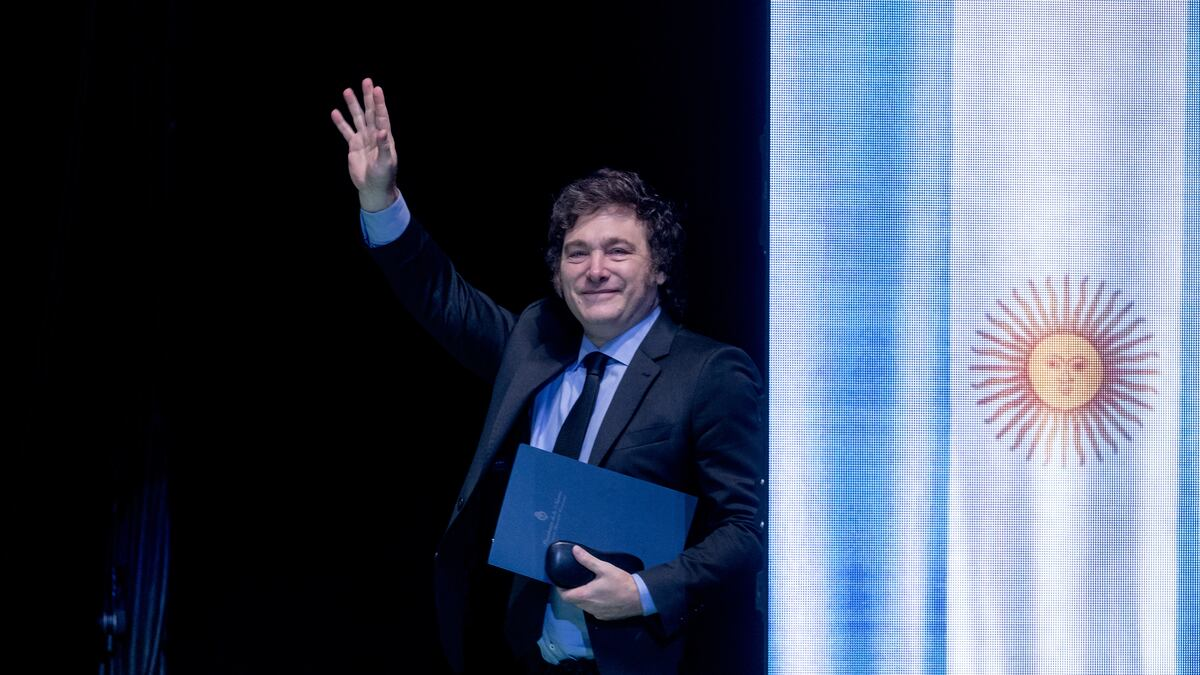
What the Argentina defense talks with Europe cover
Argentina and the European Union have begun negotiating what is known as a framework agreement, a legal arrangement that would let Argentine military and civilian personnel take part in EU-led missions abroad. The talks opened after a meeting in Buenos Aires between Defense Minister Carlos Presti, his international-affairs secretary Daniel Martella, and Pelayo Castro, the European diplomat who handles relations with the Americas.
Castro said all 27 EU member states had signed off on starting the negotiations. The agreement, if completed, would give Argentina a path into the more than 20 missions the bloc currently runs around the world.
Those operations fall under the EU’s Common Security and Defence Policy, the bloc’s tool for sending civilian and military teams abroad to prevent conflict, stabilize fragile states and keep the peace. Joining them would let Argentina act internationally through a new channel, beyond the United Nations operations it has traditionally taken part in.
Argentina is not new to this kind of work. Its armed forces have a long record in UN peacekeeping, from Cyprus to Haiti, and the country’s defense ministry framed the European talks as a way to project that experience onto a bigger stage.
In practice, plugging into EU missions would also push Argentina’s forces toward European planning standards, training and equipment norms. That kind of interoperability is itself a form of soft alignment, binding militaries together through shared procedures long before any deployment happens.
Why the timing is the real story
What makes the move notable is what came just before it. Only days earlier, Argentina signed two letters of intent with the United States, one on shared military fuel and another giving it access to a US Army marketplace for drones and counter-drone systems.
Milei has spent his presidency steering Argentina firmly toward Washington, through joint exercises, a hemispheric security declaration and a broad trade alignment. Turning to Brussels in the same breath is a deliberate widening of that bet.
The two tracks are not in tension. Both the United States and the European Union are Western partners, and tying Argentina more tightly to each at once strengthens Milei’s pitch that the country is a dependable, market-friendly ally after decades of unpredictability.
Defense follows a thaw in trade
The defense opening also rides on a warming economic relationship. The long-stalled trade agreement between the EU and Mercosur, the South American bloc Argentina belongs to, began provisional application on May 1, with Argentina the first member to push it through.
Days before the defense announcement, EU and Argentine officials met in Buenos Aires for a regular joint commission and praised that trade breakthrough. The defense talks slot neatly into that momentum, turning a commercial thaw into something broader.
For European capitals, drawing a large South American military and economy closer is part of a wider contest for influence in a region where China has spent years expanding its footprint. For Argentina, each new partner adds leverage.
What to watch, and what not to assume
A note of caution is warranted. This is the start of negotiations, not a signed treaty, and the two sides still have to agree on the scope, the rules and how any Argentine deployment would actually work.
There is also the money question. Argentina’s defense budget has been squeezed hard under Milei‘s austerity drive, so ambitions on paper will run into the same fiscal limits that constrain everything else his government does.
Still, the direction of travel is clear and revealing. In a single week, Argentina deepened defense ties with both Washington and Brussels, a quietly clever piece of statecraft that keeps Milei’s Argentina firmly anchored in the Western camp while spreading its bets across it.
Frequently Asked Questions
What did Argentina and the EU agree to?
They agreed only to open negotiations on a framework agreement that would let Argentine military and civilian personnel join EU-led crisis and peacekeeping missions. Nothing has been signed yet.
How does this relate to the US defense deal?
It came just days after Argentina signed defense letters of intent with the United States, showing Milei courting both Washington and Brussels at the same time rather than choosing between them.
Why does it matter for investors?
It reinforces Milei’s effort to present Argentina as a reliable Western ally, alongside the Mercosur-EU trade pact, part of the broader case he is making to foreign partners and markets.
Connected Coverage
Argentina and US Sign Defense Deal on Military Fuel and Drones
The EU-Mercosur Trade Deal Explained: Complete 2026 Guide
This article was produced by The Rio Times’ automated newsroom system. How we use AI · Report an error · Editorial responsibility: Matthias Camenzind, Editor-in-Chief
In depth