Venezuela Launches a US$170 Billion Debt Restructuring

VENEZUELA · Sovereign Debt
Key Facts
—A formal launch. Venezuela began a formal restructuring of the external debt of the state and oil company PDVSA on May 13, after nearly a decade in default.
—One of the largest ever. The total liabilities, including bonds, loans and accrued interest, are estimated between $150 billion and $170 billion, per Reuters.
—Bonds rallied. After a US license eased the way, sovereign 2027 bonds rose to 55.53 cents on the dollar, a nine-year high, and PDVSA 2037 bonds gained to 40.1 cents.
—Talks have begun. A senior economy official said the interim administration led by Delcy Rodriguez is already in contact with international creditors and bondholders.
—Big obstacles remain. Bondholders still lack US authorization to formally negotiate, and a deal hinges on political stability and a credible economic program.
—The prize. Success could reopen the oil-rich nation’s access to international markets and new investment after years of isolation.
Venezuela owes the world roughly $170 billion and has not paid in nearly a decade. Now, under a new interim leader and with Washington cautiously easing the way, it is attempting one of the largest debt restructurings in modern finance. For investors who once wrote the country off, the question is whether a nation with the world’s largest oil reserves can become payable again.
What did the Venezuela debt restructuring announcement say?
The Rio Times, the Latin American financial news outlet, reports that the Venezuela debt restructuring became formal on May 13, when the government launched what it called an orderly process to renegotiate the external obligations of the state and oil company PDVSA. The country has been in selective default since 2017, largely cut off from global financing.
The scale is enormous. Sovereign and PDVSA bonds in default total around $60 billion, but analysts put the full liability, including accrued interest, international arbitration claims, expropriation suits and bilateral loans, at between $150 billion and $170 billion, according to Reuters. That makes it one of the largest and most complex restructurings among emerging markets.
Why now, and why the optimism?
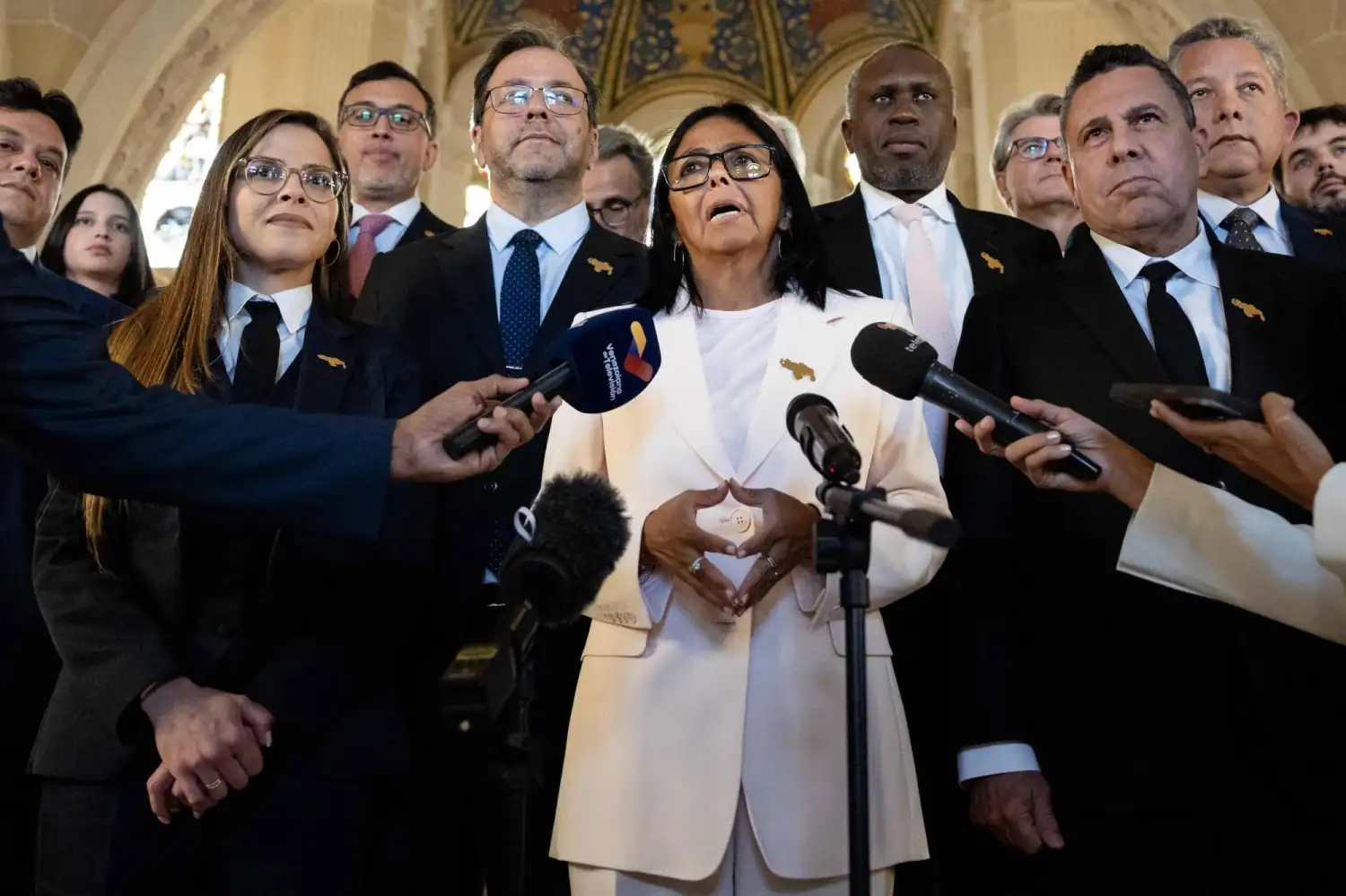
Because the political picture changed. After the United States captured Nicolas Maduro in January and backed then-vice-president Delcy Rodriguez to become interim leader, expectations of a restructuring grew. A senior economy official, Calixto Ortega Sanchez, confirmed the administration is already in contact with creditors and bondholders, some of whom view the country as a significant opportunity.
Washington opened a door. In early May, the US Treasury’s sanctions office issued a license allowing Venezuela to hire legal and financial advisers and to prepare restructuring options, which markets read as a signal toward future negotiations. The reaction was immediate, with sovereign 2027 bonds jumping 5.41% to 55.53 cents on the dollar, their highest in nine years.
What are the main obstacles?
They are substantial. Bondholders still lack US authorization to negotiate formally with Venezuela, even after the Trump administration began easing some of the sanctions that isolated the country. The creditor base is fragmented, and years of default have piled up litigation risks, from arbitration awards to expropriation claims.
Credibility is the deeper hurdle. A report by S&P Global argued that any restructuring depends first on political stability and an economic program capable of sustaining an oil-led recovery. The agency noted that Argentina remains rated CCC+ five years after its 2020 restructuring, a reminder that resolving default is the start of a long road, not the end.
How are the two narratives framing it?
The government presents normalization. Officials describe the process as orderly and comprehensive, framing it as a new economic chapter that puts the economy at the service of the people, and argue that sanctions, not mismanagement, drove the 2017 default. They want a deal that redefines terms and reopens access to financing and investors.
Critics see a harder reality. They point to years of corruption and mismanagement that devastated the economy, and to the unresolved political questions surrounding an administration installed after a US-backed transition. For these observers, restructuring debt is necessary but insufficient without genuine reform and durable stability.
What should investors and analysts watch next?
- US negotiation authorization: until bondholders can formally negotiate, the process cannot move from preparation to a real deal.
- Bond prices: the sovereign 2027 and PDVSA 2037 notes are the market’s real-time gauge of restructuring odds.
- The economic program: S&P ties any recovery to credible fiscal discipline and a sustained oil rebound.
- Political stability: the durability of the interim administration is the precondition rating agencies keep flagging.
- Litigation: how arbitration and expropriation claims are folded into a deal shapes its complexity and credibility.
More: Latin America news in English, every day from The Rio Times.
Connected Coverage
The leader driving this process is profiled in our reporting on how Delcy Rodriguez rewrote Venezuela’s economy in 100 days. The sanctions backdrop is detailed in our piece on how she appealed to the US and Europe to end sanctions, and the broader shift in our coverage of US investment in post-Maduro Venezuela.
Reported by Sofia Gabriela Martinez for The Rio Times — Latin American financial news. Filed May 20, 2026 — 18:30 BRT.
This article was produced by The Rio Times’ automated newsroom system. How we use AI · Report an error · Editorial responsibility: Matthias Camenzind, Editor-in-Chief
In depth
Frequently Asked Questions
What is the Venezuela debt restructuring?
It is a formal process, launched May 13, to renegotiate the external debt of the Venezuelan state and oil company PDVSA after nearly a decade in default. Estimated at $150 billion to $170 billion, it ranks among the largest and most complex sovereign restructurings in emerging markets.
How much does Venezuela owe?
Sovereign and PDVSA bonds in default total around $60 billion, but the full liability, including accrued interest, arbitration awards, expropriation claims and bilateral loans, is estimated between $150 billion and $170 billion, according to Reuters. The country has not paid since defaulting in 2017.
Why did Venezuelan bonds rise?
In early May, the US Treasury issued a license allowing Venezuela to hire advisers and prepare restructuring options, which markets read as a step toward negotiations. Sovereign 2027 bonds jumped to 55.53 cents on the dollar, a nine-year high, and PDVSA 2037 bonds rose to 40.1 cents.
What are the main obstacles?
Bondholders still lack US authorization to negotiate formally, the creditor base is fragmented, and litigation from arbitration and expropriation claims has accumulated. S&P says any deal also depends on political stability and a credible economic program able to sustain an oil-led recovery.
Who is leading Venezuela now?
Delcy Rodriguez became interim president after the United States captured Nicolas Maduro in January and backed her to lead the transition. Her administration is driving the restructuring as part of a broader push to reactivate the economy and rejoin international markets.