Unilever Bets $1.5 Billion on Mexico as Strategic Manufacturing Hub
Unilever announced on Friday, May 2, a major investment of 30 billion pesos ($1.5 billion) in Mexico spanning from 2025 to 2028.
The consumer goods giant revealed this plan during President Claudia Sheinbaum’s morning press conference, signaling confidence in Mexico’s economic future despite regional trade tensions.
The investment package aims to boost production capacity, implement new manufacturing lines, and advance digitalization efforts across Unilever’s Mexican operations. A substantial portion-8 billion pesos ($407.4 million)-will establish a state-of-the-art factory in Salinas Victoria, Nuevo León.
This new facility will specialize in beauty and personal care products for popular brands like Dove, Rexona, and Sedal. The factory targets both domestic consumption and exports to the United States and Canada.
Unilever’s strategic choice of Mexico leverages its geographic advantage and trade agreements despite recent U.S. tariff threats. “This investment will create 1,200 new direct and indirect jobs in Mexico,” said Willem Uijen, Unilever‘s chief supply chain and operations officer.
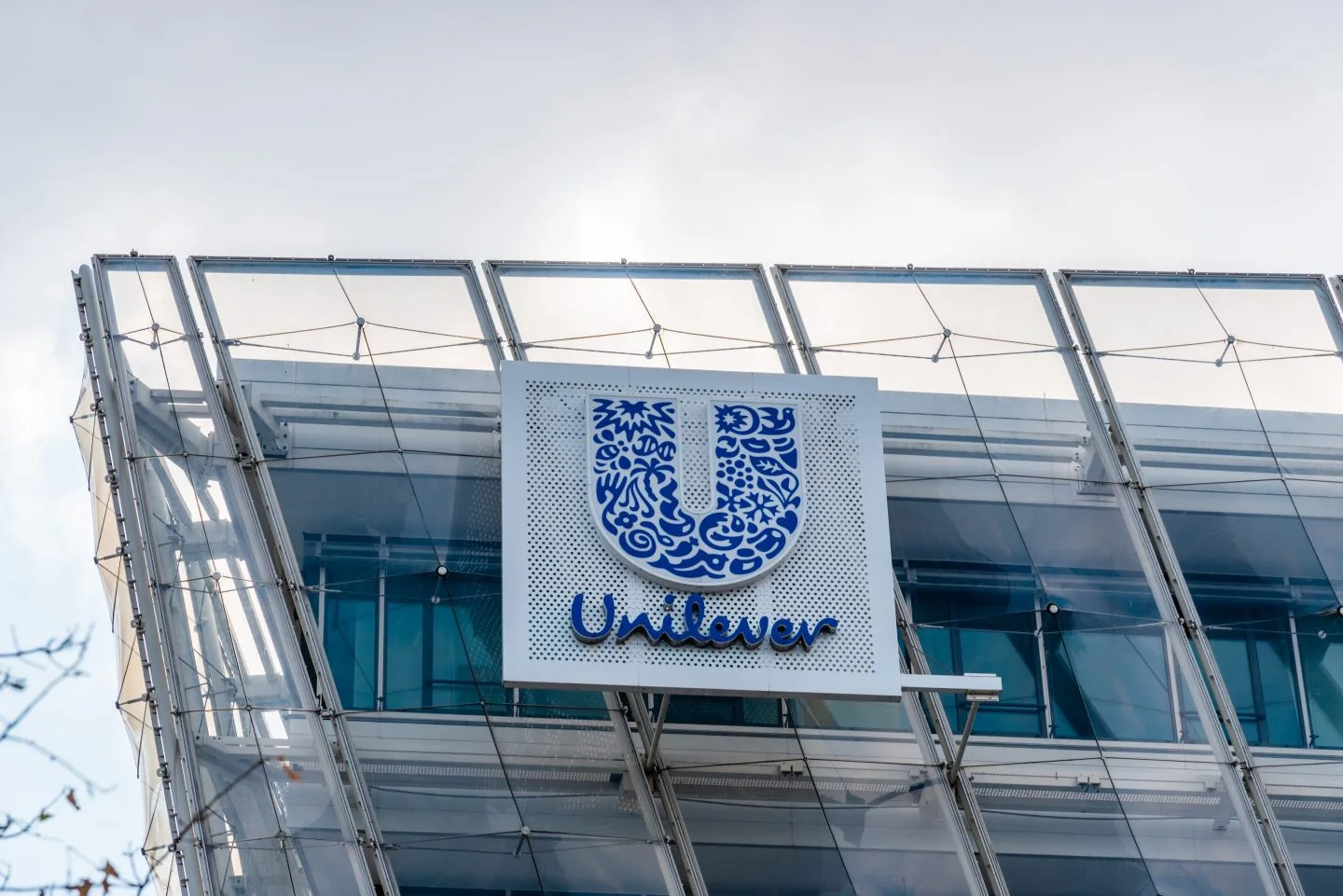
These positions add to Unilever’s existing workforce of over 7,000 employees in the country. The Nuevo León plant aims to achieve “lighthouse status,” a global benchmark for advanced manufacturing facilities that balance productivity with environmental sustainability.
Unilever Boosts Investment in Mexico
By 2026, the facility plans to source 30% of its energy from renewables and aims to cut carbon emissions by 50% by 2030. Unilever’s announcement aligns with President Sheinbaum’s “Plan Mexico” initiative, which seeks to attract both foreign and domestic investment.
The company joins other multinationals like Walmart and Netflix in recently committing billions to Mexican operations. Mexico’s Economy Minister Marcelo Ebrard highlighted the timing of this investment amid global economic uncertainty.
The decision reflects corporate confidence in Mexico’s manufacturing capabilities, stable workforce, and strategic position within North American supply chains.
For Unilever, the investment represents a calculated move to optimize production costs while maintaining proximity to the lucrative North American market.
The company seeks to strengthen its position in the growing beauty and personal care sector while establishing a more efficient regional manufacturing network.
Key Facts
— Deep Dive
— For the complete picture, read our in-depth guide: Mexico Economy 2026: GDP, Peso, Nearshoring, Banxico and Trade
More: Latin America news in English, every day from The Rio Times.
This article was produced by The Rio Times’ automated newsroom system. How we use AI · Report an error · Editorial responsibility: Matthias Camenzind, Editor-in-Chief
In depth