Brazil Election Court Poised to Remove Roraima Governor
Key Facts
— —Brazil’s Superior Electoral Tribunal has assembled a majority to revoke the mandate of Roraima’s governor over election irregularities in the 2022 state race.
— —If the ruling is finalized, it would trigger new elections in Brazil’s northernmost state, which borders Venezuela and Guyana.
— —The case highlights the Brazilian electoral justice system’s power to overturn state-level results years after an election, a mechanism without direct parallel in most democracies.
The TSE Roraima governor case tests whether Brazil’s election courts will use their constitutional power to unseat a sitting state executive over irregularities in a race decided nearly four years ago.
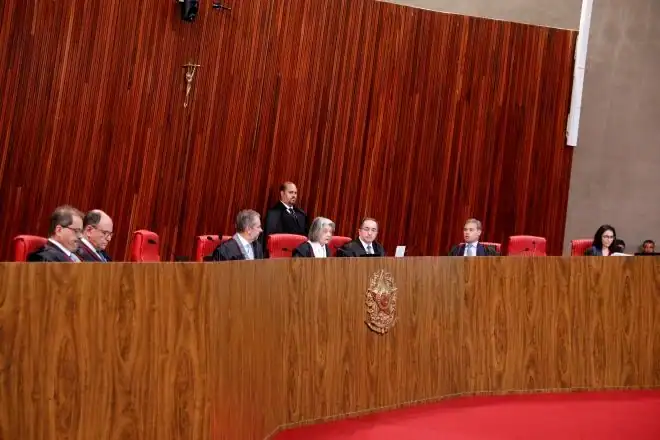
Brazil’s Superior Electoral Tribunal has reached a majority to revoke the mandate of the TSE Roraima governor in a case stemming from the 2022 state election, according to Agência Brasil reporting on Wednesday. The Rio Times, the Latin American financial news outlet, reports that the ruling, if finalized, would be one of the most consequential electoral court decisions in recent Brazilian history and could force new gubernatorial elections in the remote Amazon border state.
The case centers on allegations of election irregularities during the 2022 gubernatorial race. The TSE, which has exclusive jurisdiction over electoral disputes in Brazil, has been deliberating the matter for months. The formation of a majority signals that the court’s seven-member panel has enough votes to annul the governor’s mandate.
Why the TSE Roraima Governor Case Matters
Roraima is Brazil’s northernmost and least populous state, with approximately 630,000 residents. It borders both Venezuela and Guyana, giving it outsized strategic significance relative to its population. The state has been at the center of migration flows from Venezuela since the Maduro-era crisis and shares a contested frontier zone with Guyana over the Essequibo region.
The removal of a sitting governor by judicial order — rather than by impeachment through the state legislature — is rare but not unprecedented in Brazil. The TSE has the constitutional authority to annul elections and revoke mandates when it finds evidence of abuse of economic power, vote-buying, or misuse of public resources during campaigns.
If the mandate is revoked, the electoral calendar determines what happens next. Because the ruling would come more than halfway through the governor’s four-year term, new indirect elections through the state legislature could apply rather than a direct popular vote. The exact procedure depends on the timing of the final ruling and whether appeals delay implementation.
National Political Context
The Roraima case arrives at a politically charged moment. Brazil’s October 2026 presidential election is increasingly competitive, with polls showing statistical ties in several runoff scenarios. Any TSE decision that removes a governor from office will be scrutinized through a partisan lens, regardless of the legal merits.
The case also feeds into the broader debate about the power of Brazil’s electoral courts, which have expanded their role significantly since the 2022 election cycle. Critics argue the TSE has accumulated too much discretionary authority over elected officials. Defenders say the tribunal is the only institution capable of enforcing electoral law in a country where campaign finance violations are widespread.
For international observers monitoring Brazilian governance, the Roraima ruling is a test of institutional independence. Whether the decision is seen as the rule of law functioning or as judicial overreach will depend largely on the evidence presented and the transparency of the final ruling.
Related Coverage
Brazil Elections 2026 Guide → • Brazil Politics 2026 Guide • Brazil Economy 2026 Guide
More: Brazil news in English, every day from The Rio Times.
This article was produced by The Rio Times’ automated newsroom system. How we use AI · Report an error
Read More from The Rio Times