Stellantis Secures Tariff Exemption, Pledges to Boost U.S. Manufacturing
Stellantis, the automaker formed by the merger of Fiat Chrysler and PSA Group, has committed to expanding its U.S. manufacturing operations after receiving a one-month exemption from 25% tariffs on vehicle imports from Mexico and Canada.
President Donald Trump granted the exemption, contingent on compliance with the United States-Mexico-Canada Agreement (USMCA). This provides Stellantis temporary relief as it works to align with U.S. trade policies.
The company imports about 40% of the vehicles it sells in the U.S. from Mexico and Canada, making it particularly exposed to tariff risks. Stellantis thanked Trump for the exemption, stating it shares his goal of increasing American car production. The company also emphasized its commitment to creating sustainable U.S. jobs.
The exemption comes as Stellantis faces declining sales in the U.S., its most profitable market. In 2024, operating profits dropped 64%, leading to losses of €6 billion ($6.5 billion).
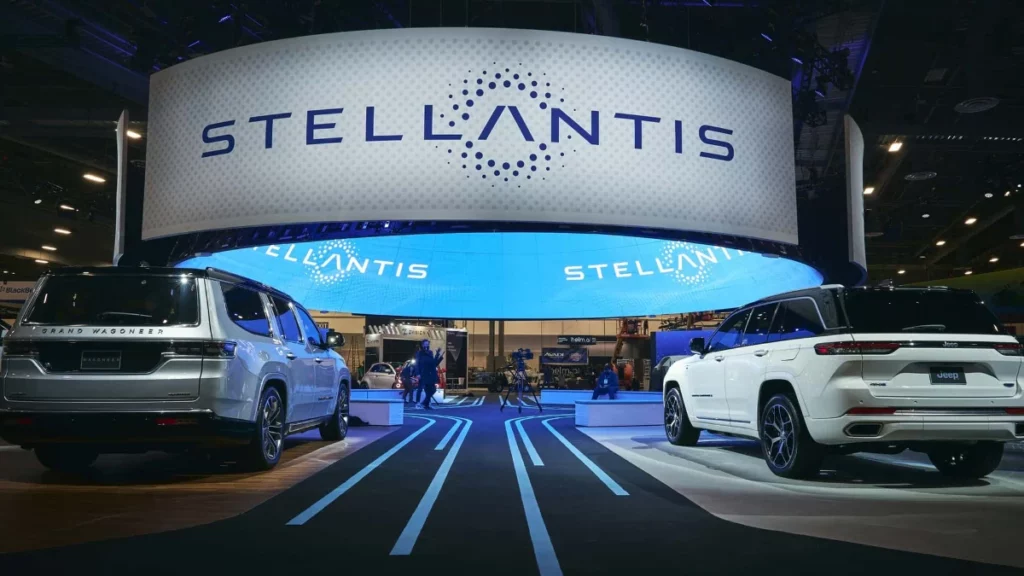
To counter these challenges, Stellantis has announced a $5 billion investment in U.S. manufacturing, including reopening its Belvidere plant in Illinois. This facility will restore 1,500 jobs and focus on producing a new midsize pickup truck by 2027.
Stellantis Strategizes with Key Investments
Additional investments target key facilities such as the Detroit Assembly Complex for Dodge Durango production and Toledo plants for Jeep Wrangler and Gladiator upgrades. Kokomo, Indiana, will also see funding for GMET4 EVO engine production.
The exemption coincides with leadership changes at Stellantis following CEO Carlos Tavares’ departure in December due to poor performance. Chairman John Elkann, representing Stellantis’ largest shareholder Exor, has taken a central role in guiding the company through this transitional phase.
Stellantis’ strategic investments aim to rebuild its U.S. market share while addressing tariff risks and shifting consumer demands. For investors and policymakers, this underscores the broader economic implications of aligning global operations with evolving trade policies. It also highlights the impact of market dynamics on decision-making.
This article was produced by The Rio Times’ automated newsroom system. How we use AI · Report an error · Editorial responsibility: Matthias Camenzind, Editor-in-Chief