Pacific Strikes, Fragile Ties: U.S. Boat Attacks Test Colombia And The Rules Of War At Sea
Two explosions on the Eastern Pacific in less than a day—both aimed at small craft the United States says were moving drugs—have turned a long, murky fight into an open diplomatic brawl.
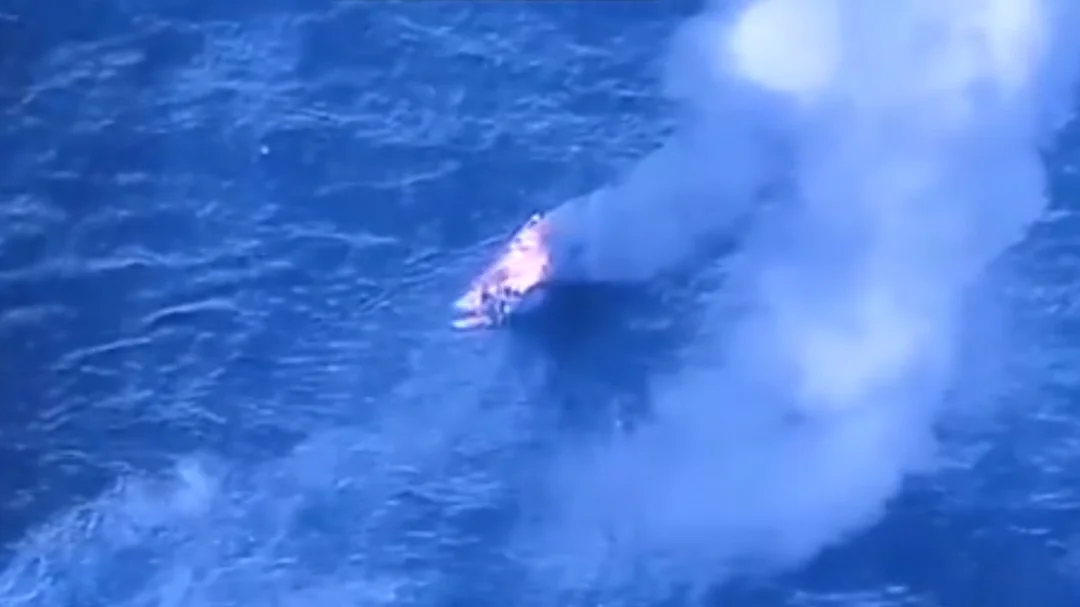
At least five people were killed across the two incidents, and U.S. officials acknowledged that one strike happened off Colombia’s Pacific coast. Defense Secretary Pete Hegseth announced the actions with brief videos and said President Donald Trump authorized them.
The story behind the story is where the routes and the law meet. The Caribbean once dominated the imagery of interdictions, but most maritime cocaine now moves through the Eastern Pacific from Colombia, Ecuador, and Mexico.
Official estimates put only a small share—around a tenth—through the Caribbean. Shifting the fight west is therefore logical on paper.
But the method matters: Washington says it is in a “non-international armed conflict” with drug cartels, a label that lets the military use lethal force against suspected smugglers at sea.
Critics in both parties are uneasy with that legal stretch and the reliance on executive war powers for operations that can kill people far from any declared battlefield.
What has intensified the blowback is the lack of publicly shared proof. The strike videos show boats erupting; they do not show cargo or identify the dead.
High-Seas Strikes Test Sovereignty and Cooperation
In a recent case involving a low-profile “narco-sub,” two survivors were repatriated and one was later released for lack of evidence. Those outcomes speak to the gap between a kinetic action and a prosecutable case.
Meanwhile, Colombia’s president, Gustavo Petro, says the Pacific strike violated sovereignty and endangered fishermen and coastal communities.
Trump has fired back with personal insults and threats of aid cuts and trade penalties. The result is a policy meant to harden cooperation that now risks tearing it.
This matters beyond Colombia. It sets a precedent for how powerful states justify force against criminal groups on the high seas, where law enforcement, intelligence sharing, and trust are the currency of success.
If partners feel sidelined, joint operations that quietly stop tons of cocaine can give way to headline-grabbing blasts that solve less than they break.
For readers outside the region, the takeaway is simple: this is not just a drug story. It is a test of sovereignty, due process, and the rules of war at sea—issues that shape how democracies confront cross-border crime without becoming what they fight.
More: Colombia news in English, every day from The Rio Times.
This article was produced by The Rio Times’ automated newsroom system. How we use AI · Report an error
Read More from The Rio Times