New U.S. Aluminum Tariffs Put Brazil’s Competitiveness at Risk Warn Exporters
President Donald Trump’s 25% aluminum tariff, announced February 10, 2025, has drawn sharp criticism from Brazil’s aluminum sector.
The Brazilian Aluminum Association (Abal) warns the measure could cripple competitiveness for one of the country’s key exports, threatening $267 million in annual U.S.-bound trade.
The tariff’s ambiguity amplifies anxieties. Abal notes it remains unclear whether the 25% rate replaces or stacks atop an existing 10% U.S. duty from 2018’s Section 232 measures.
A combined 35% tariff would price Brazilian aluminum out of the market, despite its reputation for quality and sustainable production. The U.S. absorbs 16.8% of Brazil’s aluminum exports—72,400 tons annually—a lifeline for an industry competing against global giants like China.
Historical parallels raise red flags. Trump’s earlier metal tariffs slashed U.S. steel imports by 43% from 2017–2020, with Brazilian exporters among the hardest hit. Now, Abal fears a rerun: blocked access to the U.S. could flood Brazil with cheap aluminum from redirected global supplies, undercutting domestic producers.
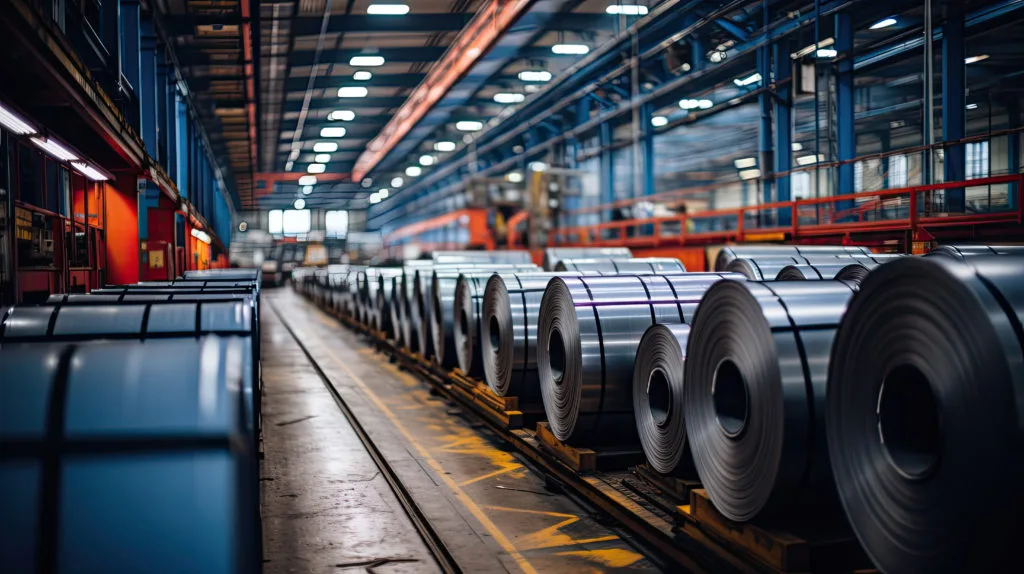
New U.S. Aluminum Tariffs Put Brazil’s Competitiveness at Risk Warn Exporters
Market analysts warn of collateral damage. Regional aluminum prices may spike, disrupting supply chains for automotive and construction sectors. Brazil’s government is exploring countermeasures with Abal, but options are limited amid fears of escalating trade tensions.
For Brazil, the stakes extend beyond aluminum. The tariffs test its ability to navigate an increasingly protectionist global trade landscape while protecting an industry that employs thousands.
With no exemptions offered—unlike the 2018 carveouts for Canada and Mexico—the policy underscores shifting U.S. trade priorities. It also highlights Brazil’s vulnerability as a mid-sized exporter.
As negotiations unfold, Brazilian producers face a precarious balancing act: maintaining footholds in critical markets while bracing for a potential reshuffle of global trade flows. The outcome could signal how mid-tier economies adapt to rising geopolitical barriers in key industries.
More: Brazil news in English, every day from The Rio Times.
This article was produced by The Rio Times’ automated newsroom system. How we use AI · Report an error
Read More from The Rio Times