Energy Subsidy Eases Inflation, But Economic Strains Continue to Mount in Brazil
Brazil’s inflation rate slowed to 0.16% in January 2025, the lowest January figure since the Real Plan’s launch in 1994, according to IBGE. This sharp drop from December’s 0.52% rise came largely from a one-time measure: the Itaipu bonus.
This initiative reduced electricity prices by 14.21%, cutting 0.55 percentage points from the inflation index. The Itaipu bonus distributed R$1.3 billion ($ 216 million) to over 78 million households consuming less than 350 kilowatt-hours (kWh) monthly in 2023.
Approved by the National Electric Energy Agency (ANEEL), it returned surplus funds from Itaipu Binacional’s energy sales, offering an average discount of R$16.66 on January electricity bills.
Despite this temporary relief, inflationary pressures remain significant. The 12-month accumulated rate eased to 4.56%, down from December’s 4.83%, but still exceeded the Central Bank’s ceiling of 4.5%.
Without the Itaipu bonus, January’s inflation would have reached 0.71%, signaling persistent cost increases across key sectors. Transportation costs rose by 1.3%, driven by airfare increases of 10.42% and urban bus fare hikes of 3.84%.
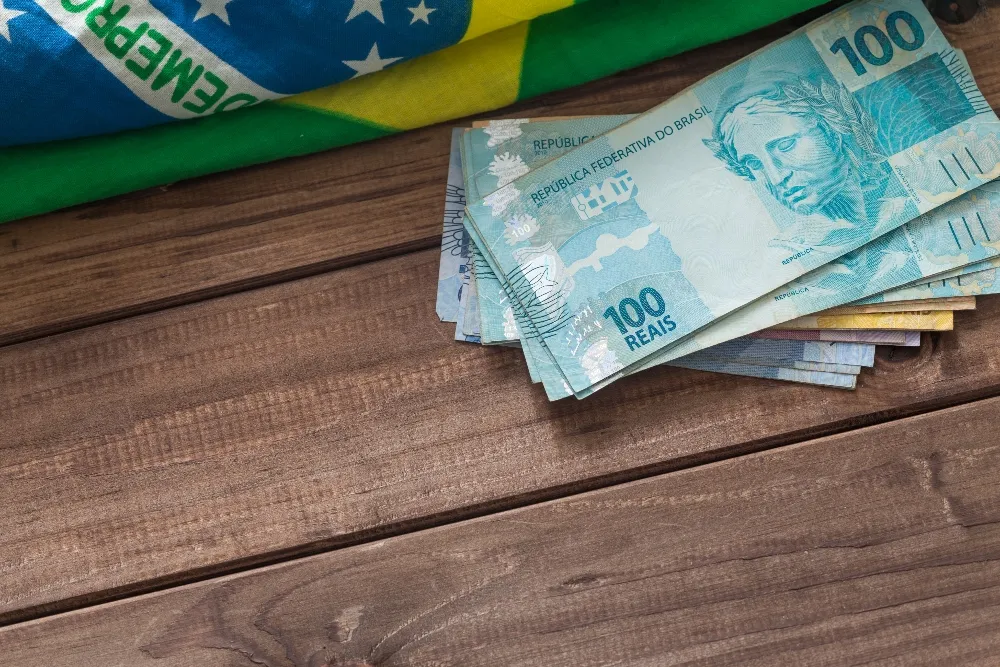
Brazil Faces Inflationary Pressures
Food and beverages climbed 0.96%, marking a fifth consecutive monthly increase, with meat prices up 0.36%. Picanha, a popular cut, jumped 3.95% in January and accumulated a staggering 12.36% rise over the past year.
Core inflation indicators also showed challenges. Industrial goods prices rose nearly 3% over 12 months due to currency depreciation, while service costs increased by 0.86% in January, their highest monthly rise since mid-2022.
Economists predict February inflation could rebound to around 1.3% as school tuition adjustments and the Itaipu bonus’ expiration take effect. The Central Bank is expected to continue raising its benchmark Selic rate, currently at 13.25%, to manage inflation risks.
This temporary slowdown highlights ongoing structural issues like volatile food prices and wage-driven service costs. It underscores the need for long-term solutions to stabilize prices and sustain economic growth.
This article was produced by The Rio Times’ automated newsroom system. How we use AI · Report an error
LatAm Markets: Live Signals → — real-time movers, turnover leaders and FX across Latin America.
Read More from The Rio Times