Colombia Warns It Will Defend Its Sovereignty if the U.S. Invades
Key Points
- Bogotá is signaling deterrence after Trump floated “Venezuela-style” action.
- The Venezuela operation’s aftermath is now shaping regional risk calculations.
- Markets and border planners are reacting before any policy is formalized.
Colombia’s foreign minister, Rosa Villavicencio, said the armed forces must be prepared to defend Colombia’s territory and sovereignty if the United States were ever to attempt an invasion.
She called it a hypothetical scenario, but invoked international law’s right of self-defense if aggression occurs.
The warning followed remarks by U.S. President Donald Trump, who threatened Colombia with military action “similar” to a recent operation in neighboring Venezuela.
That operation ended with Venezuelan leader Nicolás Maduro captured and transferred to U.S. custody to face charges.
Venezuela’s leadership has since shifted to an interim presidency under Delcy Rodríguez, and Russia and other governments condemned the action as a sovereignty breach.
Trump, speaking aboard Air Force One in a law-and-order tone, called Colombia “very sick,” accused President Gustavo Petro of involvement in cocaine production without presenting evidence, and said a comparable operation in Colombia “sounds good.”
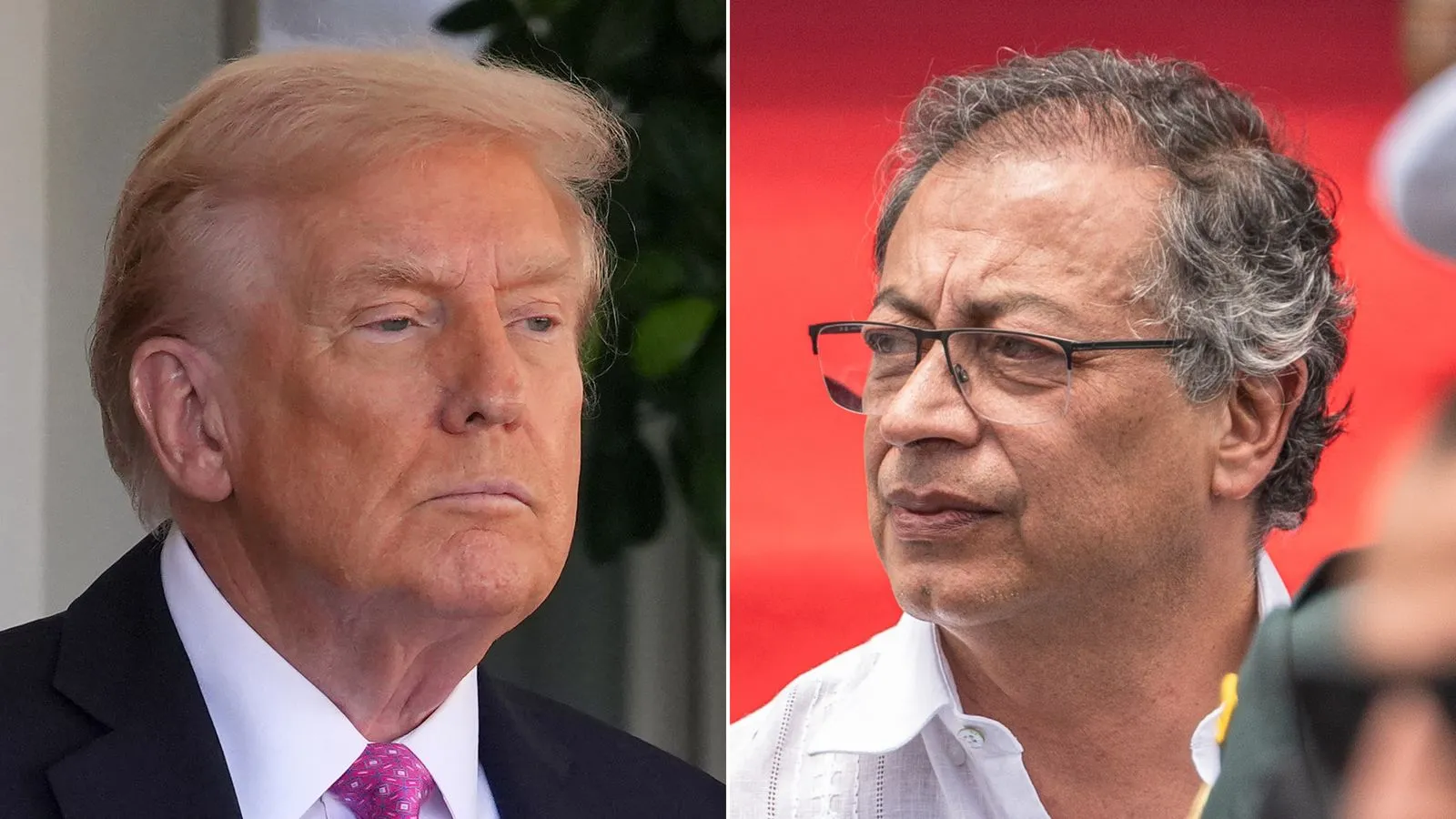
Petro rejected the allegation and replied with a defiant warning that an invasion could revive conflict dynamics in a country still battling armed groups and criminal networks.
The clash is jarring because Colombia has long been one of Washington’s closest security partners.
Border Tensions Ripple Through Security and Markets
Officials in Bogotá continue to highlight cooperation against drug trafficking and cite results such as nearly 1,000 metric tons of cocaine seized in 2025, even as coca cultivation remains high and illicit profits keep underwriting violence.
Along the Venezuela border, the shock has translated into contingency planning. Reporting from frontier areas describes tighter security postures, fears of armed-group retaliation, and preparations for a possible refugee influx.
Colombia has established five emergency command posts in border-area cities. Investors moved quickly.
Colombian assets sold off as the rhetoric escalated: the peso slipped almost 2% at the open and dollar bonds fell by about a cent across the curve.
The lesson is that even “hypothetical” threats can raise real costs—and narrow the room for leaders to step back.
Related coverage: Brazil’s Morning Call | Colombia’s Tax Take Nears Target, But December Is Set To Dec This is part of The Rio Times’ daily coverage of Colombia affairs and Latin American financial news.
This article was drafted with automated assistance and reviewed before publication. How we use AI · Report an error · Editorial responsibility: Matthias Camenzind, Editor-in-Chief
Read More from The Rio Times