Brazil’s New Power Line: Why a Giant Energy Deal With China and BRICS Matters
Brazil’s government has struck a major deal with China’s State Grid Corporation to build a massive new power line, the Graça Aranha project.
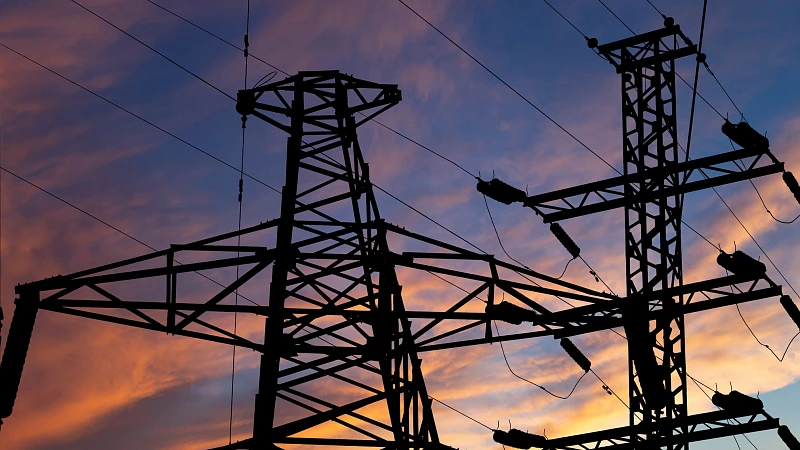
This 1,513-kilometer line will run from Maranhão to Goiás, crossing over 40 towns and cities. The goal: move clean energy from Brazil’s windy and sunny northeast to the country’s busy industrial heartland, where factories and cities need more electricity.
China’s State Grid will invest about $3.6 billion (18.1 billion reais) to get this line built by 2029. The project will carry enough electricity to power 12 million homes, using advanced high-voltage technology.
This is not just a technical upgrade. Right now, Brazil sometimes wastes up to 10% of its wind and solar power because the grid cannot handle it all. With this new line, Brazil can use more of its clean energy and waste less.
Brazil’s energy regulator awarded the project to State Grid after a public auction, making sure the deal was fair and competitive. This is part of a much larger plan.
China’s State Grid says it wants to invest up to $39.6 billion in Brazil’s power system by 2030, building more lines and supporting renewable energy. The Brazilian government is also asking for more money from the New Development Bank, known as the BRICS bank.
Led by former Brazilian president Dilma Rousseff, the bank has already funded dozens of local energy projects. By working with the BRICS group, Brazil hopes to rely less on Western banks and speed up its shift to green energy.
A Strategic Project for Clean Energy
This project matters for several reasons. First, it helps Brazil use more of its own clean energy, which means less pollution and fewer power shortages. Second, it creates jobs-about 2,500 during construction-and saves money by reducing wasted electricity.
Third, it shows how China is becoming a bigger player in Brazil’s economy, especially in key sectors like energy. There are challenges, too. Some worry about the impact of new power lines on the Amazon and local communities.
Officials say the project will help replace dirty diesel generators in remote areas, but they must balance development with environmental protection. In the end, the Graça Aranha power line is more than just wires and towers.
It is a sign of how Brazil is connecting its regions, using its natural resources better, and building new partnerships with countries like China.
For business, it means more reliable power and new investment. For regular people, it means cleaner energy and a stronger economy. This deal could shape how Brazil-and its partners-power their future.
More: Brazil news in English, every day from The Rio Times.
This article was produced by The Rio Times’ automated newsroom system. How we use AI · Report an error · Editorial responsibility: Matthias Camenzind, Editor-in-Chief