Brazil’s Corn Crop Breaks Records but Faces Market Pressures
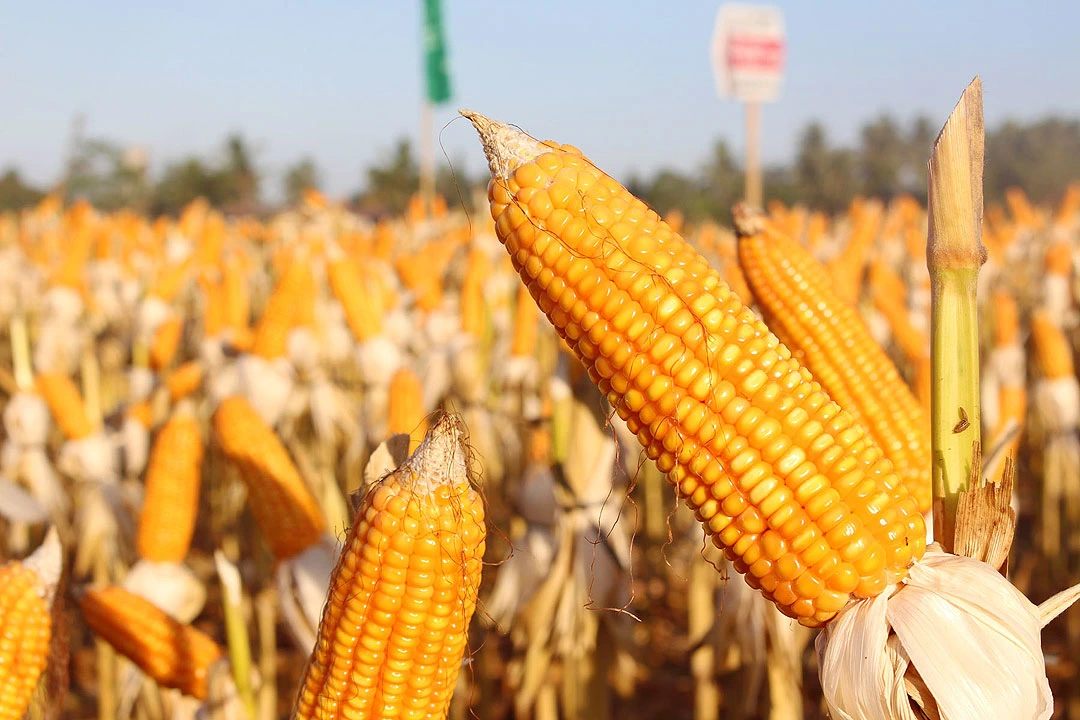
Brazil has just delivered one of its biggest corn harvests ever. Official figures from the Brazilian government and state-backed agricultural agencies show that total corn production for 2024/25 is likely to reach at least 127 million tons.
The key drivers are huge yields in states like Mato Grosso, Goiás, Paraná, and Mato Grosso do Sul, which now produce most of the country’s corn. Almost four out of every five tons now come from the “safrinha,” or second planting season.
More than 55% of this crop was harvested by mid-July, up sharply from last week, but still behind last year’s fast pace. Strong, dry weather helped bring in the harvest quickly in most areas, though some states had problems with high moisture slowing machinery.
Industry sources agree that this year’s fields gave some of the best results seen in a decade. Corn is now critical to Brazil’s economy—and not just for export.
The rapid growth of Brazil’s animal feed and biofuel industries has boosted demand at home. According to Brazil’s National Supply Company, domestic use is set to keep rising, especially for livestock feed and ethanol plants.
Because of this, domestic stocks remain tight, even in a bumper year. The country must carefully manage what it keeps and what it sells abroad. Despite high output, falling world prices mean many farmers are earning less per ton.
Costs for planting and running machinery have risen. Some farm groups worry continued low prices could limit future investment, even as Brazil stays a top player in world corn trading.
Brazil still exports a lot—making it one of the three largest corn suppliers worldwide—but strong home demand means the country is less exposed to global price swings than before.
Brazil’s corn boom shows how the country’s farms have become more efficient and adaptable. But with costs rising and markets shifting, farmers face tough choices about what and how much to plant in the future.
Official numbers and independent data agencies confirm Brazil’s place as a global leader, but also highlight the need for ongoing changes to keep farms profitable and secure food for millions at home.
More: Brazil news in English, every day from The Rio Times.
This article was produced by The Rio Times’ automated newsroom system. How we use AI · Report an error · Editorial responsibility: Matthias Camenzind, Editor-in-Chief