Balochistan’s Independence Bid: A Powder Keg in Nuclear Pakistan
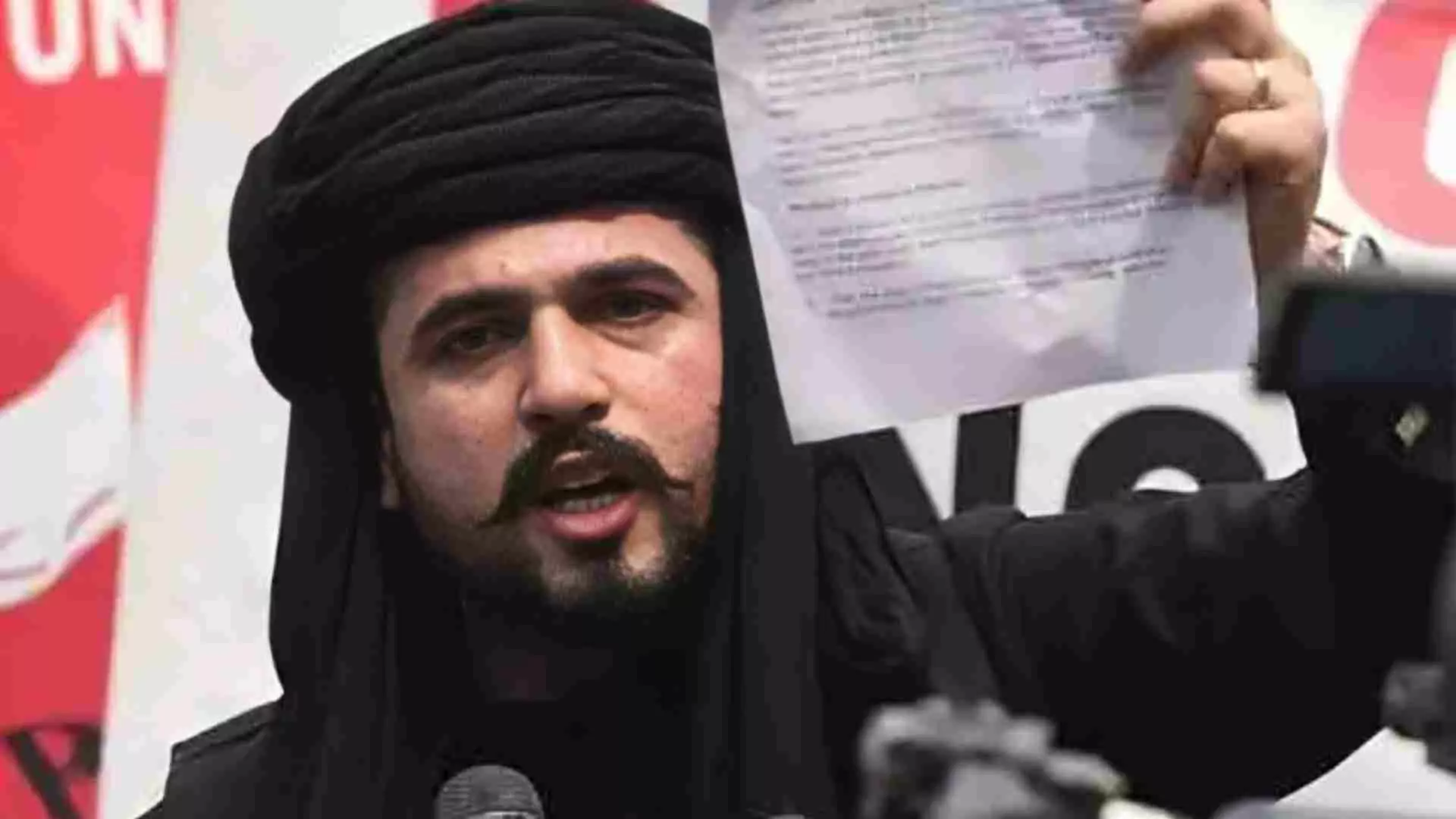
Writer and activist Mir Yar Baloch declared Balochistan’s independence from Pakistan on May 9, 2025. He called for India’s recognition and requested United Nations peacekeeping forces in the region.
This declaration revives a historical claim dating back to 1947 when Balochistan briefly existed as an independent state before Pakistan annexed it in March 1948.
Balochistan spans three countries, creating a complex geopolitical situation. The Pakistani portion covers 347,190 km², representing 44% of Pakistan’s territory.
Iran’s Sistan and Baluchestan province occupies 181,785 km². The region also extends into Afghanistan’s Nimruz, Kandahar, and Helmand provinces, covering 153,580 km².
Multiple insurgent groups operate across this divided region. The Balochistan Liberation Army (BLA) leads the Pakistani side with a secular independence agenda.
Other groups include the Balochistan Liberation Front (BLF), Balochistan National Army (BNA), and Lashkar-e-Balochistan. In Iran, Jaish ul-Adl and Ansar Al Furqan fight for Baloch rights with Sunni Salafist ideologies against the Shiite Iranian government.
Tensions escalated dramatically in January 2024 when Jaish ul-Adl attacked Iran’s Revolutionary Guard buildings. Iran responded by bombing their camps in Pakistan, while Pakistan targeted BLA and BLF bases in Iran.
The three-day exchange of artillery and drone strikes killed dozens of civilians before a truce was declared. The BLA has intensified its campaign in 2025, launching 71 attacks since January in what they call “Operation Herof.”
Recent attacks include a May 6 ambush that killed seven Pakistani soldiers and the hijacking of the Jaffar Express train with over 400 passengers on May 13, resulting in 26 deaths.
Balochistan’s independence bid faces significant challenges. Baloch people represent only 3.2% of Pakistan’s population (approximately 8 million out of 247 million).
They face Pakistan’s well-equipped army of 500,000 soldiers. It remains unclear if all Baloch insurgent groups support Mir Yar Baloch’s declaration. The situation threatens Pakistan’s already fragile ethnic balance.
The country comprises Punjabis (38-45%), Pashtuns (15-18%), Sindhis (22%), Muhajirs (7.5%), and other minorities. Existing tensions between these groups could worsen if Balochistan’s independence movement gains momentum.
The crisis carries serious regional implications. Pakistan possesses 170 nuclear warheads and substantial conventional military capabilities. A destabilized Pakistan could trigger wider conflicts, potentially drawing in India, Iran, Afghanistan, and China.
Some analysts fear this could lead to Pakistan becoming a failed state with multiple internal conflicts. The independence declaration comes at a particularly sensitive time.
This article was produced by The Rio Times’ automated newsroom system. How we use AI · Report an error · Editorial responsibility: Matthias Camenzind, Editor-in-Chief
Read More from The Rio Times