Argentina Voids Key Waterway Tender Amid Corruption Concerns
The Argentine government has canceled the tender for the Paraná-Paraguay Waterway, a 3,400-kilometer corridor critical for exports.
This route handles 80% of Argentina’s exports, valued at $65 billion annually, connecting inland ports in Argentina, Paraguay, Bolivia, and Brazil to the Atlantic. The decision raises questions about transparency and competition in managing vital infrastructure.
President Javier Milei’s administration sought to privatize the waterway’s operations for 30 years, with an estimated annual revenue of $410 million. While 11 companies initially expressed interest, only Belgian firm DEME submitted a formal bid.
This outcome surprised officials and triggered concerns about anti-competitive practices. DEME had previously criticized the process, alleging favoritism toward Jan de Nul, the Belgian company that managed the waterway for 25 years until 2021.
Presidential spokesperson Manuel Adorni announced an investigation into possible collusion or pressure tactics by DEME to discourage other bidders. He emphasized the government’s commitment to ensuring fair competition and warned of legal action against attempts to manipulate the process.
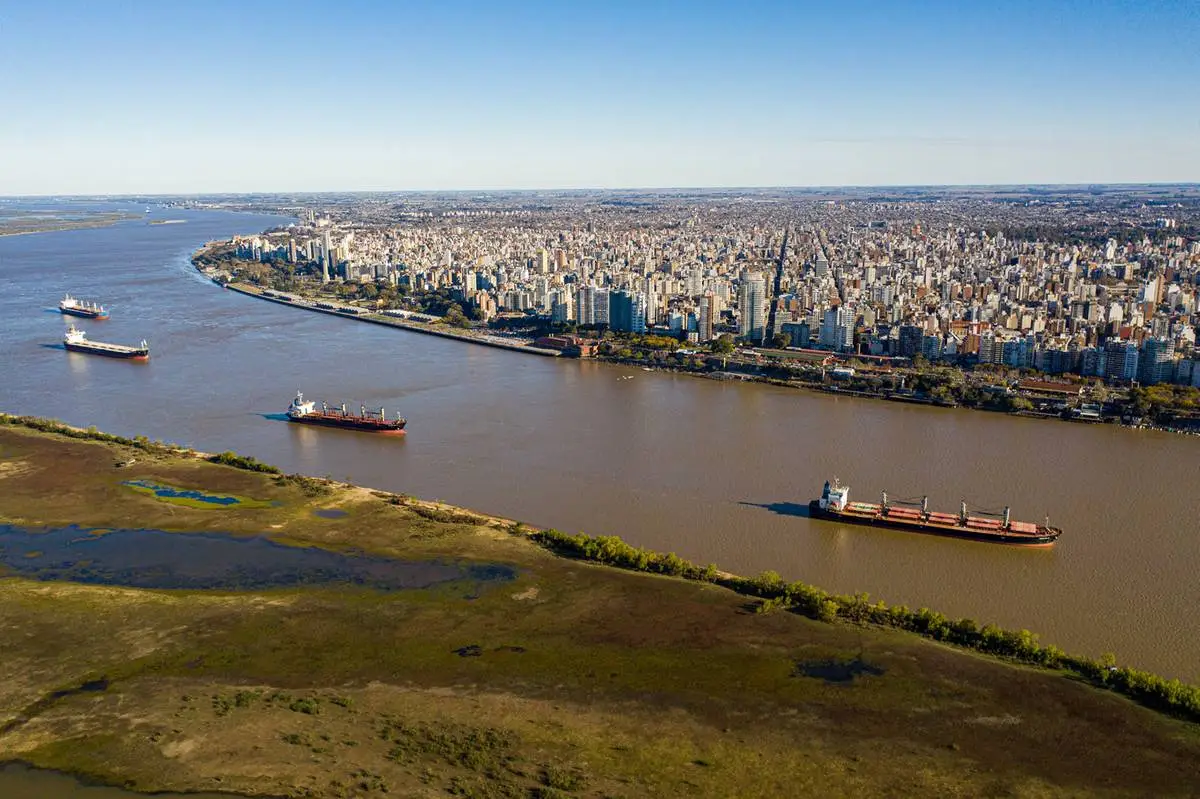
Environmental and economic concerns further complicate the issue. Environmental groups have raised alarms about dredging’s potential harm to wetlands amid ongoing drought conditions.
Meanwhile, delays in awarding a new contract could increase logistics costs for exporters and weaken Argentina’s trade competitiveness. The tender also faced criticism for restrictive terms that excluded state-owned foreign companies like China’s Shanghai Dredging, limiting competition.
Until a new tender is drafted, Jan de Nul will continue operating under a temporary agreement with the state. This failed tender underscores challenges in balancing privatization goals with transparency and competition.
It highlights risks for investors and policymakers navigating Argentina’s infrastructure sector, where political and economic pressures remain significant. The outcome may shape future privatizations and the management of strategic trade routes in the region.
More: Argentina news in English, every day from The Rio Times.
This article was produced by The Rio Times’ automated newsroom system. How we use AI · Report an error · Editorial responsibility: Matthias Camenzind, Editor-in-Chief