Argentina Moves to Secure Tariff-Free Access for Key Exports in U.S. Market
Argentina is close to finalizing a trade deal with the United States that could remove tariffs on about 100 key Argentine products. This agreement would cover up to 80% of Argentina’s exports to the US, which totaled $6.48 billion last year.
The products include wine, lemons, cotton, and processed foods—goods that support thousands of Argentine jobs and bring in vital export revenue. Steel and aluminum will stay taxed at 50%, as the US considers these materials important for national security.
The rest of the products, if the deal is signed, would enter the US without extra charges, making them cheaper and more attractive for American buyers.
President Javier Milei’s government pushed hard for this agreement. He changed customs rules, removed import barriers, and made it easier for businesses to export.
These reforms helped convince the US to consider special treatment for Argentina, even as it kept tariffs high for most other countries. The US wants Argentina to open its own markets in return, making it easier for American goods to enter the country.
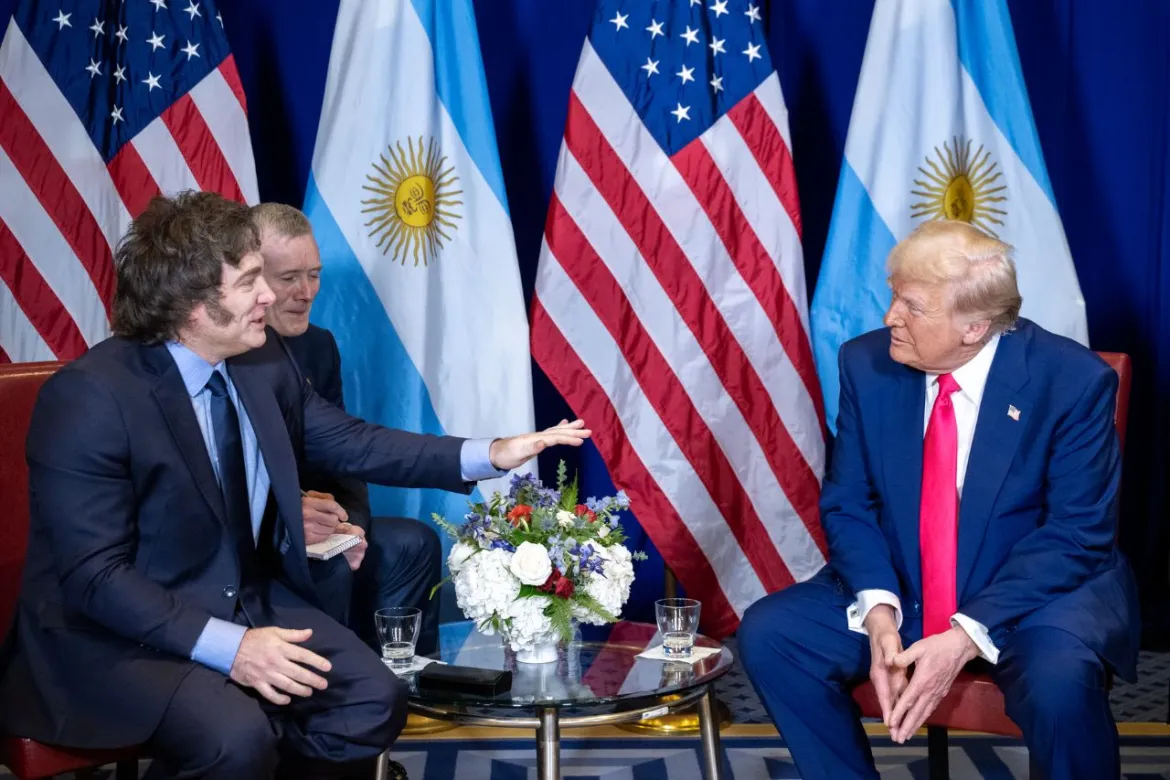
Both sides see this as a way to strengthen economic ties, protect supply chains, and reduce dependence on less reliable partners.
This deal matters because it could protect Argentine industries from new US tariffs that threaten their access to a crucial market.
If the agreement is finalized, Argentina could see more exports, more jobs, and stronger ties with the US.
At a time when the United States has imposed a 50% tariff on all Brazilian imports—primarily targeting agricultural goods that Argentina also produces—this move signals a strategic shift.
It suggests a scenario where farm products from Brazil, a close partner of China, are being replaced by similar goods from Argentina, a key U.S. ally.
This realignment highlights changing trade dynamics and the growing importance of geopolitical alliances in shaping global agricultural markets.
More: Argentina news in English, every day from The Rio Times.
This article was produced by The Rio Times’ automated newsroom system. How we use AI · Report an error · Editorial responsibility: Matthias Camenzind, Editor-in-Chief
In depth