Why Russia Just Flew Armored Limousines Into Brazil — and What It Means for the Rest of the World
Key Points
- Brazil and Russia hold their first top-level government summit in over a decade on February 5, with Russian planes delivering armored limousines to Brasília on routes that deliberately avoid all of Europe.
- Since 2022, Brazil has quietly become the world’s third-largest buyer of Russian fuel and depends on Moscow for over a quarter of its fertilizer imports — a dependency now worth nearly US$15 billion a year.
- Washington has responded with a bill threatening 500% tariffs on countries buying Russian oil, naming Brazil explicitly — raising the real possibility that this deepening relationship will make food and fuel more expensive for ordinary Brazilians.
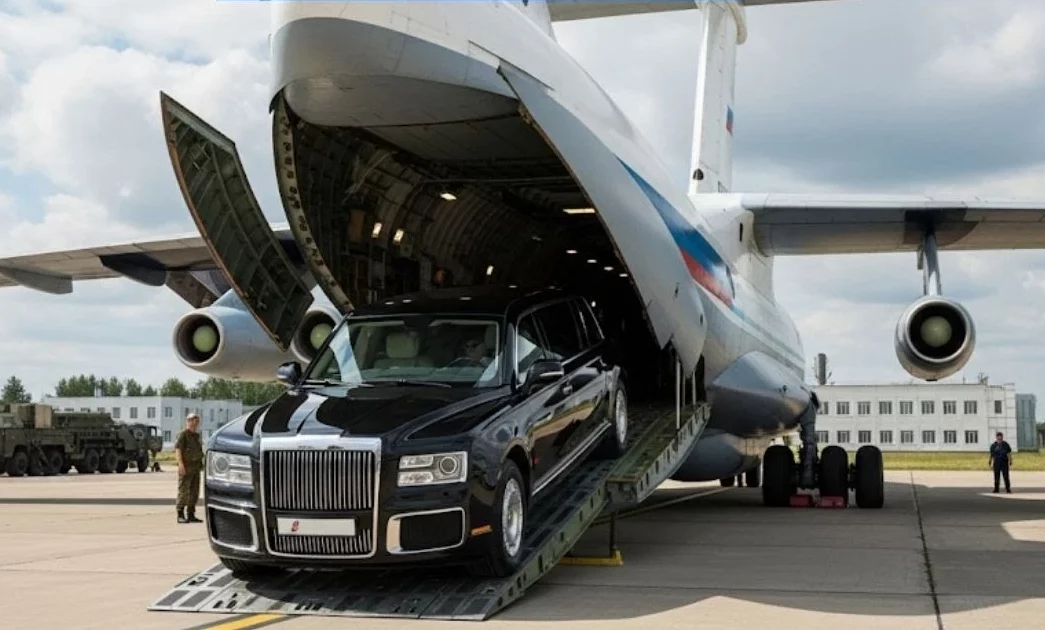
Something unusual happened at Brasília’s airport last week. A Russian government jet landed carrying armored limousines — bulletproof cars for a delegation so large the Kremlin needed multiple planes.
All flew thousands of extra kilometers through Azerbaijan, Algeria, and Guinea to avoid European airspace, where sanctions could mean seizure. That detail alone says a great deal about the world right now.
The cars are for Prime Minister Mikhail Mishustin, eight ministers, and business leaders meeting Vice President Geraldo Alckmin on February 5 for the 8th Brazil-Russia High-Level Cooperation Commission — the first since 2015.
Putin cannot come. Brazil, a Rome Statute signatory, would be obligated to arrest him on the ICC warrant issued in March 2023 over the deportation of Ukrainian children.
He skipped the G20 in 2024 and the BRICS summit in Rio last July for the same reason. But he and Lula spoke by phone on January 14 to finalize preparations.
The numbers explain the urgency. Bilateral trade reached US$14.9 billion in 2025. Brazilian diesel imports from Russia surged from US$95 million in 2022 to US$4.5 billion in 2024 — a 4,600% increase.
Russia supplies 27% of Brazil’s imported fertilizers, without which the agricultural sector generating a quarter of GDP cannot function.
Washington noticed. The Sanctioning Russia Act of 2025 threatens 500% tariffs on countries buying Russian petroleum, naming Brazil alongside India and China.
Trump already hit India with a 25% secondary tariff. Petrobras pledged US$900 million to reopen fertilizer plants by 2028, but that covers only 35% of urea demand.
The pattern troubles the opposition. Last August, a U.S.-sanctioned Russian cargo plane spent three days at Brasília Air Base before flying to Venezuela.
The government disclosed nothing until the Air Force later confirmed a “diplomatic mission” — and refused to reveal the cargo.
This week’s agenda goes further: defense, space, and Russian nuclear reactor technology for a country where Moscow already supplies enriched uranium.
For anyone watching from abroad, the question is simple: Brazil’s government is betting cheap Russian energy outweighs the risk of American retaliation. If wrong, ordinary Brazilians — and global food prices — pay the bill.
Related coverage: Brazil’s Morning Call | Chile Closes 2025 With a Surprise Growth Beat, but Mining Wo This is part of The Rio Times’ daily coverage of Latin American news and financial markets.
This article was drafted with automated assistance and reviewed before publication. How we use AI · Report an error · Editorial responsibility: Matthias Camenzind, Editor-in-Chief
Read More from The Rio Times