

Key Points
- Nicolás Maduro’s removal after a January 3 U.S. strike opened a vacuum now shaped through Washington calls and White House access.
- Interim leader Delcy Rodríguez is offering continuity and bargaining chips—oil, detainees, diplomacy—while María Corina Machado argues for a sharper break.
- The outcome matters beyond Venezuela because it can shift oil supply expectations, sanctions, and migration pressures.
The fight for Venezuela’s next phase is no longer only a Caracas story. It is a Washington story—told in who gets the call, who gets the meeting, and what is promised in exchange.
After the January 3 operation that put Maduro in U.S. custody, Delcy Rodríguez, a state figure, stepped into an interim role. That choice delivered continuity: ministries kept working, the security hierarchy stayed intact, and foreign governments had a counterpart.
But continuity is also the controversy. Many Venezuelans expected María Corina Machado—who has eclipsed other opposition figures—to inherit the moment. Instead, early signals from Washington suggested caution about a fast handover.
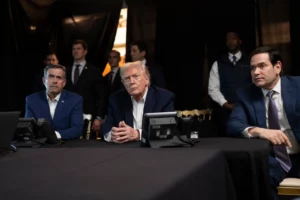
Venezuela talks balance oil and detainees
On January 14, Trump spoke by phone with Rodríguez. He later called the conversation “excellent,” while she described it as courteous.
The same day, the White House schedule listed a working lunch with Machado, signaling parallel channels rather than a settled decision. Rodríguez’s offer is pragmatic: preserve order now, then trade steps for relief.
Reports describe discussions linking market-priced oil sales—figures as high as 50 million barrels have been floated—to gradual releases of political detainees and a reopening of diplomatic channels, including a possible return of a U.S. embassy presence in Caracas.
The government says hundreds have been released since December; rights groups dispute the verified totals and say many remain detained, making independent verification the central test.
Machado’s case is legitimacy: a transition led by insiders, she argues, risks repainting the same structure. Yet officials have been described as weighing intelligence warnings that a rapid opposition takeover could trigger backlash from institutions still dominated by loyalists.
The story behind the story is a dilemma with costs: stabilize first through insiders, or bet on a faster reset. Either path can move barrels, rules, and lives across borders.