Venezuela’s Oil Reset: Who Wants In, and What Each Player Is After
Key Points
- Vitol and Trafigura are moving first, using U.S.-approved permissions to restart Venezuelan crude trading.
- Chevron is the only U.S. major already producing in Venezuela, but growth hinges on repairs, services, and blending inputs.
- ExxonMobil and ConocoPhillips are watching for enforceable contracts after Chávez-era expropriations.
Maduro’s capture has reopened a race into Venezuela’s oil system. Venezuela holds about 303 billion barrels of proven crude, roughly 17% of global reserves. Yet production is still widely described as under one million barrels per day after years of decline and sanctions.
The first entrants are trading houses, not oil majors. Vitol has received a preliminary U.S. license to begin negotiations to import and export Venezuelan oil for an initial 18-month period. Trafigura is also in talks with U.S. officials about marketing Venezuelan crude.
Reporting describes an early package worth about $2 billion covering roughly 50 million barrels previously blocked by sanctions, and a separate track aimed at moving 30 to 50 million barrels to the U.S. with proceeds tightly controlled.
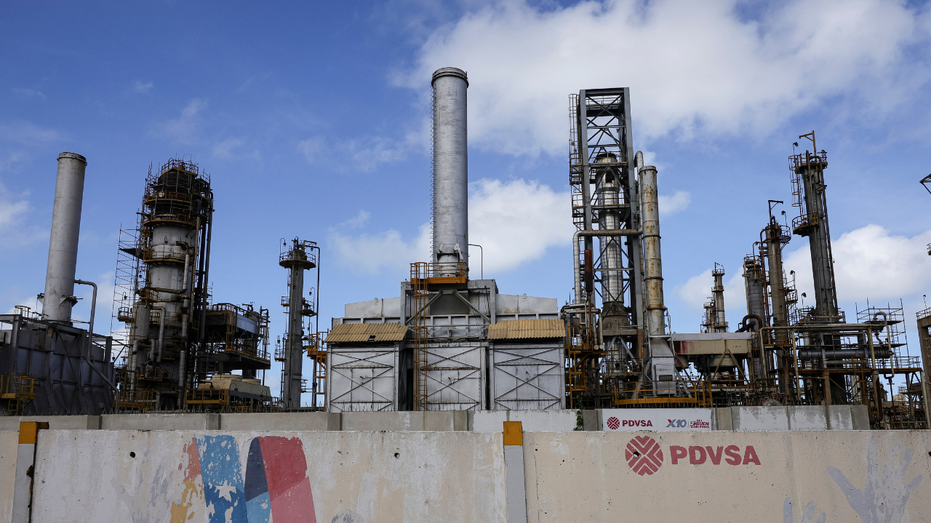
Traders move fast because they specialize in shipping, financing, and risk. They also solve a physical issue: Venezuela’s crude is heavy, so exports often require lighter barrels and diluents for blending.
Chevron is the incumbent producer. It kept stakes of roughly 25% to 60% across five joint ventures with PDVSA. Ship-tracking data put exports near 150,000 barrels per day in November and around 100,000 barrels per day more recently.
But raising output is a grind of reliable power, well workovers, pipeline integrity, and equipment. That is where service firms such as Halliburton come in.
Europe’s incumbents are repositioning. Repsol is seeking U.S. authorization to resume Venezuelan crude exports. Eni and Shell are viewed as possible expanders in gas and legacy projects if the regulatory environment stabilizes and contracts are honored.
The cautious camp includes ExxonMobil and ConocoPhillips. Both left after expropriations and long legal battles, and executives have questioned whether Venezuela is “investable.” Rebuilding the sector will be costly: one estimate puts required investment around $180 billion over time.
The test is simple: can Venezuela deliver predictable rules and real maintenance?
Related coverage: Brazil’s Morning Call | Venezuela Signals A Reset With Europe, Britain, And Switzerl This is part of The Rio Times’ daily coverage of Venezuela affairs and Latin American financial news.
This article was produced by The Rio Times’ automated newsroom system. How we use AI · Report an error · Editorial responsibility: Matthias Camenzind, Editor-in-Chief
Read More from The Rio Times