Trump Labels LatAm Cartels Terrorists, Escalating U.S. Fight Against Crime
The U.S. Federal Register announced on February 19, 2025, that President Donald Trump designated the Tren de Aragua, Sinaloa Cartel, and other groups as terrorist organizations.
He signed the executive order on January 20, his first day back in office, targeting a fentanyl crisis killing over 70,000 Americans yearly. Trump’s order targets the Sinaloa Cartel, Jalisco New Generation Cartel, Northeast Cartel, New Michoacán Family, Gulf Cartel, Tren de Aragua, and MS-13.
These groups traffic drugs, smuggle migrants, and commit violence, threatening U.S. security, the notice states. The decision follows years of debate about tackling cartels fueling 107,000 overdose deaths in 2023.
Authorities now wield counterterrorism tools, freezing assets and tracking communications with ease. The Treasury targets the cartels’ $19–29 billion annual earnings, while deportations hit suspected members fast. Military options, like drone surveillance over Mexico, hint at possible strikes ahead.
Mexico’s cartels supply 90% of U.S. fentanyl, while 34,000 died in 2024’s violence, worsened by Sinaloa’s infighting after Ismael Zambada’s arrest. Tren de Aragua, born in Venezuela’s prisons, destabilizes South America and U.S. cities like Colorado.
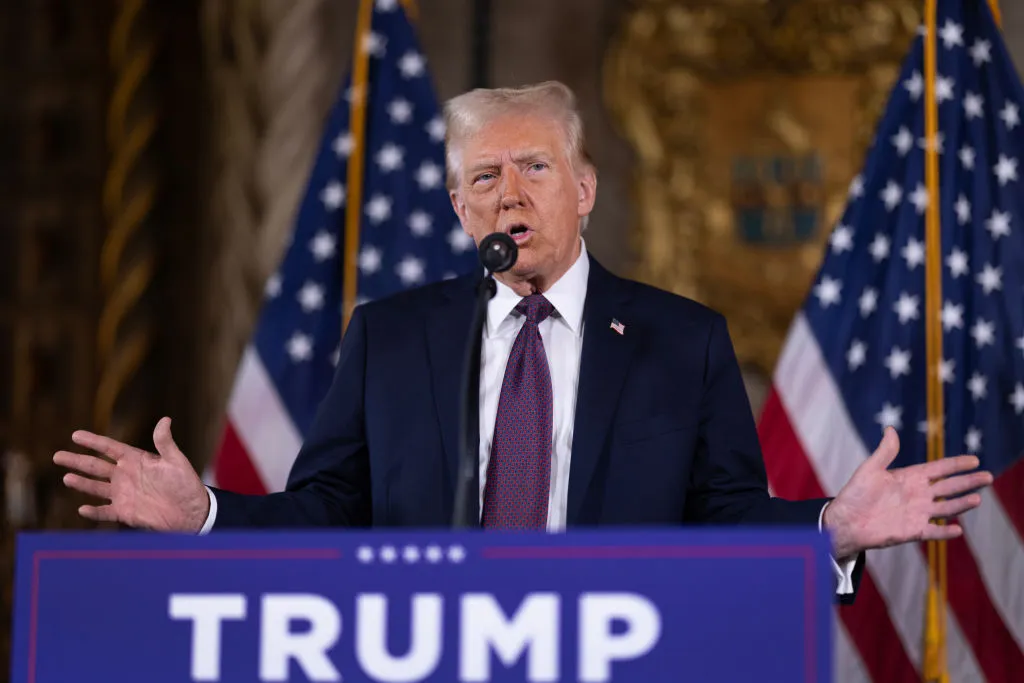
The Gulf Cartel exploits 2 million border crossings yearly for profit. Trump’s move shifts the fight from law enforcement to a war-like stance, pressuring allies to follow suit.
Mexico Pushes Back as U.S. Escalates Cartel Crackdown
Mexico resists, with President Sheinbaum guarding sovereignty amid tense U.S. relations. Critics question if profit-driven cartels fit the terrorist label or if violence will surge.
The policy roots in Trump’s campaign, linking drugs and migration to national threats. Congress backs the designations, set by Secretary Marco Rubio after a swift 14-day review. Businesses watch closely as sanctions disrupt global trade tied to cartel cash.
Fentanyl’s toll drives this escalation, with cartels adapting—some use drones already. The U.S. aims to choke their funds and operations, but risks remain. Violence could spike, and migrants face tougher asylum rules as cartels control routes.
This designation, effective February 6, redefines the drug war as a security battle. Observers note its scale: billions at stake, thousands dead, and a border under strain. The world awaits the fallout.
More: Latin America news in English, every day from The Rio Times.
This article was produced by The Rio Times’ automated newsroom system. How we use AI · Report an error · Editorial responsibility: Matthias Camenzind, Editor-in-Chief