São Paulo’s $4 Billion Metro Expansion Faces High Hopes and Hard Questions
São Paulo is moving forward with its largest construction project ever: a new metro line connecting the city center to Guarulhos, home to Brazil’s busiest airport.
The Line 19-Celeste project, according to official Metro and state government sources, will cost at least R$20 billion (about US$4 billion). The project is split into three parts, with construction contracts set to be awarded in late July.
Fifteen major construction groups, both Brazilian and international, have shown interest. Companies like Acciona, Power China, Andrade Gutierrez, and Queiroz Galvão have all visited the project site.
The state government plans to sign contracts by year’s end. Land purchases and engineering work will continue through early 2026, with construction expected to start soon after. The Metro aims to finish the line by 2031.
The state has already set aside R$400 million this year for land purchases and promises more funding in 2026. Officials say the state budget will cover the costs, but some companies worry about long-term funding.
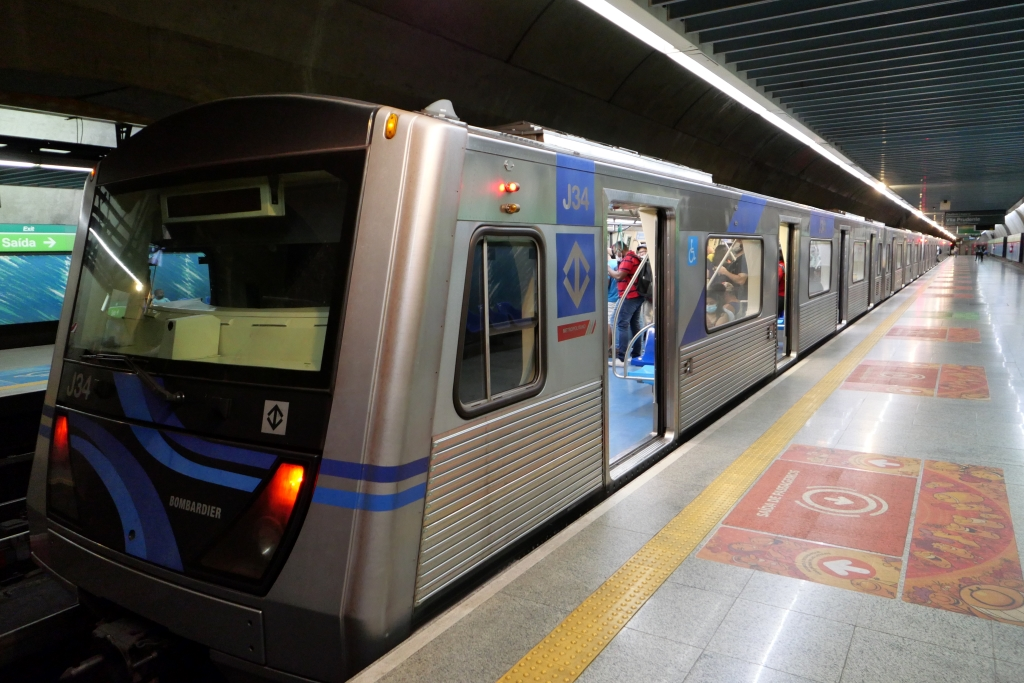
The project requires huge upfront spending on tunnel-boring machines, and payments to builders will only come later. This setup may favor foreign companies that can get cheaper loans.
Some construction firms also criticize the strict technical requirements and claim there are errors in the project’s cost estimates. The Metro says it will consider justified changes and insists the rules are fair.
Delays have plagued past metro projects in São Paulo, especially during Brazil’s major corruption investigations. The Metro says this time will be different because it has split the job into three parts and will use three tunnel-boring machines at once.
The government is also considering handing over the operation of the new line to a private company after construction, following a model used for another metro line.
This project could change daily life for millions in São Paulo and Guarulhos, making commutes faster and boosting the local economy.
But with high costs, tight deadlines, and tough competition, the stakes are high. Business leaders and residents alike are watching to see if São Paulo can deliver on its promise to build a better metro.
More: Brazil news in English, every day from The Rio Times.
This article was drafted with automated assistance and reviewed before publication. How we use AI · Report an error · Editorial responsibility: Matthias Camenzind, Editor-in-Chief
Living in or visiting São Paulo? See this month's events and our São Paulo city guide with rents, safety and upcoming concerts.