Three things to know
- Two rail disruptions hit the morning commute, including the Metro’s Line 1 and the commuter Line 7.
- Rodízio applies to plates ending 7 and 8 during peak hours.
- A new round of rain risk is building, with official alerts pointing to heavier conditions from Friday.
São Paulo’s core story today is mobility under stress. The biggest disruptions were not political. They were practical and time-consuming.
The Metro reported a Line 1 (Blue) train failure that forced an evacuation and slowed operations. Trains ran at reduced speed and stopped longer at stations. Platforms crowded quickly, and the delay spilled into connecting lines.
A second disruption hit the commuter network. Line 7 (Rubi), which links Barra Funda to Jundiaí, reported another failure after an energy-system issue the day before.
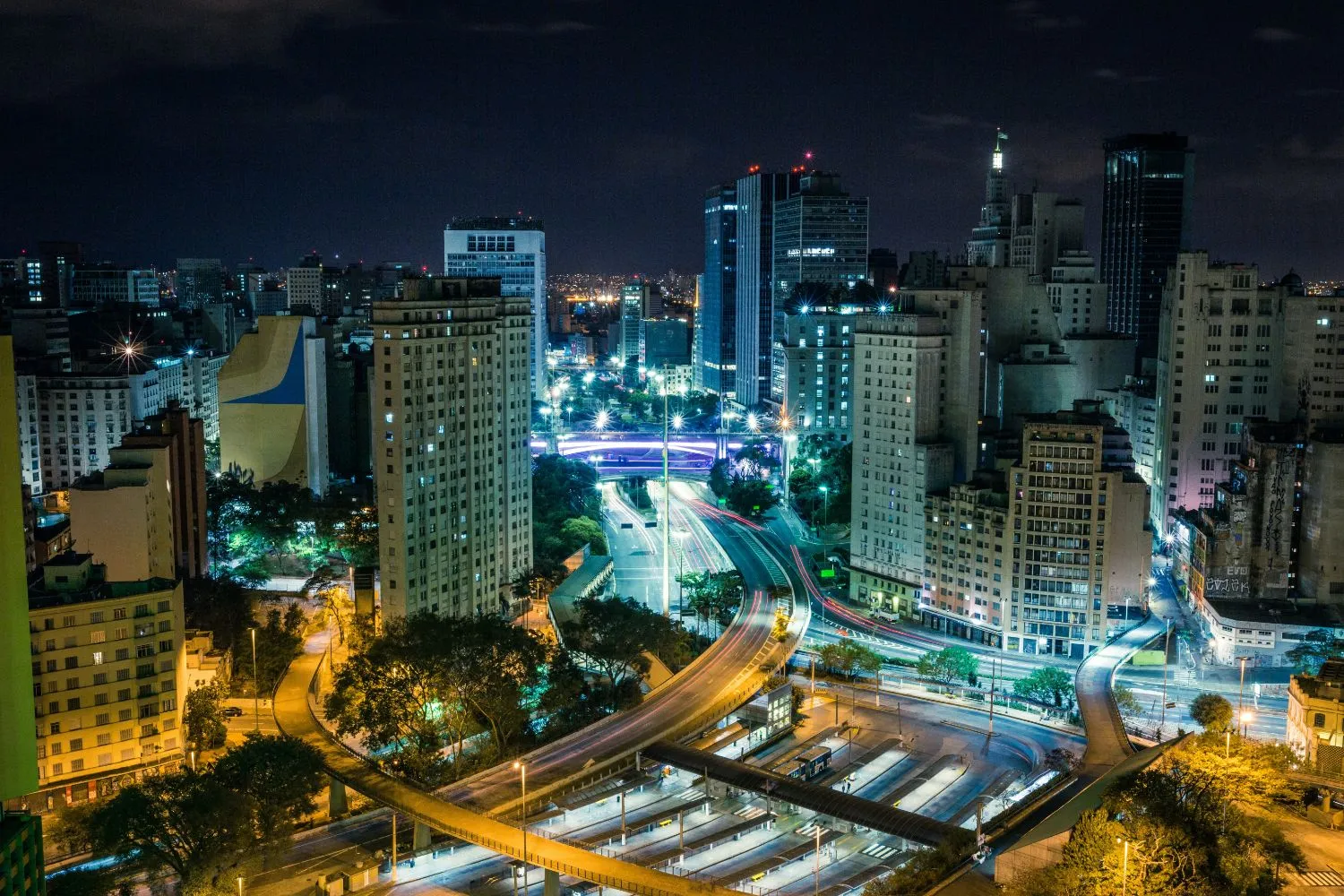
When two rail corridors wobble at once, the city’s pressure migrates to roads. That timing matters because today also has rodízio.
Plates ending 7 and 8 are restricted from 7:00 to 10:00 and from 17:00 to 20:00 inside the main control area. The rule quietly reshapes demand toward trains, buses, and ride-hailing.
Road planning is not only urban. A coastal run can also surprise. Ecovias traffic bulletins today flagged slowdowns and intermittent restrictions on the Anchieta and Imigrantes system, plus an interdição on the Interligação Planalto.
That corridor is the main funnel for Santos, Guarujá, and port-side logistics. The final layer is what comes next.
São Paulo’s city weather service said the early hours were stable, but rain should increase in coming days. National forecasting also warned a cyclone could form in the Southeast from Friday, bringing higher rainfall potential.
Related coverage: Brazil’s Morning Call | Tether’s Gold Ambition: How a Stablecoin Giant Is Trying to This is part of The Rio Times’ daily coverage of Brazil city news for expats and the international community.
This article was produced by The Rio Times’ automated newsroom system. How we use AI · Report an error · Editorial responsibility: Matthias Camenzind, Editor-in-Chief
Read More from The Rio Times