IBOV 177,284 ▼ 0.61% IPSA 10,421 ▼ 0.58% IPC MEX 67,977 ▼ 1.78% MERVAL 2,707,869 ▼ 1.44% COLCAP 2,118 ▼ 0.22% BVL PERÚ 19,767 ▲ 0.37% USD/BRL 5.05 ▲ 1.49% USD/MXN 17.33 ▲ 0.10% USD/CLP 908.88 ▲ 1.38% USD/COP 3,791 ▲ 0.09% USD/PEN 3.43 ▲ 0.18% USD/ARS 1,395 — 0.00% USD/UYU 40.07 ▲ 1.92% USD/PYG 6,066 ▲ 1.38% USD/BOB 6.86 ▲ 1.77% USD/DOP 59.15 ▼ 0.50% USD/CRC 451.24 ▲ 1.96% USD/GTQ 7.62 ▲ 2.19% USD/HNL 26.61 ▲ 0.29% USD/NIO 36.62 ▲ 0.26% USD/VES 513.89 ▼ 0.66% USD/PAB 1.00 ▲ 2.16% USD/BZD 2.00 ▲ 1.59% USD/JMD 157.28 ▲ 0.43% USD/TTD 6.74 ▲ 1.22% EUR/BRL 5.89 ▲ 0.19% BRENT 109.26 ▲ 3.35% WTI 101.02 ▼ 0.15% IRON ORE 161.91 — — COPPER 6.30 ▼ 4.15% GOLD 4,562 ▼ 2.48% SILVER 77.55 ▼ 8.67% SOY 1,177 ▲ 0.21% CORN 455.75 ▲ 0.94% WHEAT 635.75 ▼ 1.74% COFFEE 258.75 ▼ 12.12% SUGAR 14.78 ▼ 1.40% ORANGE JUICE 170.05 ▼ 6.21% COTTON 80.33 ▼ 4.30% COCOA 4,109 ▼ 1.91% BEEF 247.93 ▼ 1.65% CATTLE 361.45 ▼ 1.67% LITHIUM 84.08 ▼ 3.30% PETR4 45.47 ▲ 1.04% VALE3 83.50 ▲ 0.76% ITUB4 39.70 ▼ 1.73% BBDC4 17.69 ▼ 0.84% ABEV3 15.69 ▼ 0.51% BBAS3 20.70 ▼ 0.29% B3SA3 16.70 ▼ 1.36% WEGE3 43.13 ▼ 1.35% PRIO3 68.80 ▲ 2.24% SUZB3 41.70 ▼ 2.16% RENT3 42.98 ▼ 2.18% AZZA3 19.05 ▲ 1.06% CSAN3 4.41 ▼ 5.16% RAIZ4 0.45 ▲ 2.27% PCAR3 2.26 ▼ 1.74% GMAT3 4.34 ▲ 1.17% PSSA3 47.92 ▼ 1.60% CVCB3 1.81 ▼ 4.23% POSI3 3.88 ▼ 2.27% SLCE3 17.19 ▼ 0.87% NATU3 9.94 ▲ 1.53% BRKM5 12.21 ▲ 0.49% RANI3 7.85 ▼ 0.25% CSNA3 6.42 ▼ 3.75% CMIN3 4.72 ▼ 1.05% USIM5 9.12 ▼ 7.79% GGBR4 23.34 ▼ 1.02% ENEV3 25.06 ▼ 3.43% NEOE3 33.80 — 0.00% CPFE3 44.52 ▼ 1.53% CMIG4 11.27 ▼ 0.09% EQTL3 38.59 ▼ 0.54% LREN3 13.55 ▼ 1.24% VIVT3 35.52 ▼ 0.20% RAIL3 14.97 ▼ 1.96% KLABIN 16.43 ▼ 2.55% RAIA DROGASIL 19.59 ▼ 0.25% RDOR3 34.84 ▲ 0.26% HAPV3 12.45 ▼ 6.11% FLRY3 15.60 ▼ 2.26% SMTO3 18.25 ▼ 0.82% UGPA3 29.13 ▼ 1.42% VBBR3 33.12 ▼ 0.81% BBSE3 34.12 ▼ 1.04% BPAC11 54.50 ▼ 1.61% CURY3 30.37 ▼ 0.75% AERI3 2.42 ▼ 0.41% VIVARA 22.94 ▼ 0.26% COMPASS 25.90 ▼ 1.89% VAMOS 3.41 ▼ 2.29% SANB11 26.92 ▼ 0.81% ASAI3 8.50 ▼ 1.05% SBSP3 29.03 ▼ 1.66% WALMEX 54.82 ▲ 0.53% GMEXICO 202.10 ▼ 4.45% FEMSA 210.39 ▼ 0.01% CEMEX 21.82 ▼ 3.71% GFNORTE 184.04 ▼ 0.98% BIMBO 59.19 ▲ 0.27% TELEVISA 9.94 ▲ 1.43% AMX 23.13 ▼ 1.11% GAP 413.32 ▼ 1.41% ASUR 296.14 ▼ 1.66% OMA 222.96 ▼ 0.70% KOF 180.84 ▼ 0.13% GRUMA 298.23 ▲ 0.12% KIMBER 38.28 ▼ 0.55% SQM-B 76,590 ▼ 2.06% COPEC 6,145 ▼ 0.08% BSANTANDER 68.99 ▼ 0.16% FALABELLA 5,500 ▲ 1.08% ENELAM 75.75 ▼ 0.89% CENCOSUD 2,060 ▼ 3.06% CMPC 1,055 ▼ 0.94% BANCO CHILE 163.70 ▲ 0.13% LATAM AIR 21.54 ▼ 2.53% YPF 65,000 ▼ 0.46% GGAL 6,060 ▼ 2.02% PAMPA 4,720 ▼ 0.26% TXAR 615.00 ▲ 0.49% ALUAR 940.50 ▼ 0.42% TGS 8,750 ▼ 0.62% CEPU 2,049 ▼ 3.17% MIRGOR 17,225 ▼ 3.23% COME 42.52 ▼ 1.51% LOMA NEGRA 3,105 ▼ 1.82% BYMA 272.25 ▼ 2.77% TELECOM ARG 3,505 ▼ 4.24% ECOPETROL 13.11 ▼ 0.87% BANCOLOMBIA 63.16 ▼ 1.83% GRUPO AVAL 4.01 ▼ 5.20% CREDICORP 316.31 ▼ 3.47% SOUTHERN COPPER 176.78 ▼ 6.22% BUENAVENTURA 34.29 ▼ 7.70% MERCADOLIBRE 1,547 ▼ 3.77% NUBANK 12.19 ▼ 5.72% XP 17.47 ▼ 0.74% PAGSEGURO 8.86 ▼ 1.66% STONE 9.61 ▼ 0.93% GLOBANT 38.87 ▲ 14.06% TECNOGLASS 38.61 ▼ 5.90% GAP AIRPORT 238.45 ▼ 2.15% ASUR 296.14 ▼ 1.66% OMA AIRPORT 102.84 ▼ 1.57% AMX ADR 26.59 ▼ 1.85% FEMSA ADR 121.38 ▼ 0.70% CEMEX ADR 12.56 ▼ 4.60% PETROBRAS ADR 19.93 ▲ 0.76% VALE ADR 16.32 ▼ 1.57% ITAU ADR 7.84 ▼ 3.21% SANTANDER BR 5.34 ▼ 2.11% AMBEV ADR 3.07 — 0.00% CSN 1.26 ▼ 6.67% GERDAU 4.61 ▼ 2.12% LATAM ADR 46.91 ▼ 4.79% BTC 77,879 ▼ 1.50% ETH 2,172 ▼ 2.32% SOL 85.87 ▼ 3.73% XRP 1.41 ▼ 1.91% BNB 653.82 ▼ 2.72% ADA 0.25 ▼ 2.94% DOGE 0.11 ▼ 4.12% AVAX 9.23 ▼ 3.22% LINK 9.65 ▼ 4.08% DOT 1.25 ▼ 4.96% LTC 55.74 ▼ 3.05% BCH 411.78 ▼ 3.46% TRX 0.35 ▼ 0.03% XLM 0.15 ▼ 2.36% HBAR 0.09 ▼ 2.22% NEAR 1.49 ▼ 3.35% ATOM 1.94 ▲ 0.67% AAVE 88.54 ▼ 4.64% SELIC 14.50% EMBRAER 71.25 ▼ 1.76% EMBRAER ADR 55.76 ▼ 5.04% JBS 13.48 ▼ 3.58% JBS BDR 68.50 ▼ 1.72% MBRF3 17.42 — 0.00% MBRFY 3.43 ▼ 2.83% INTER 5.85 ▼ 3.47% IBOV 177,284 ▼ 0.61% IPSA 10,421 ▼ 0.58% IPC MEX 67,977 ▼ 1.78% MERVAL 2,707,869 ▼ 1.44% COLCAP 2,118 ▼ 0.22% BVL PERÚ 19,767 ▲ 0.37% USD/BRL 5.05 ▲ 1.49% USD/MXN 17.33 ▲ 0.10% USD/CLP 908.88 ▲ 1.38% USD/COP 3,791 ▲ 0.09% USD/PEN 3.43 ▲ 0.18% USD/ARS 1,395 — 0.00% USD/UYU 40.07 ▲ 1.92% USD/PYG 6,066 ▲ 1.38% USD/BOB 6.86 ▲ 1.77% USD/DOP 59.15 ▼ 0.50% USD/CRC 451.24 ▲ 1.96% USD/GTQ 7.62 ▲ 2.19% USD/HNL 26.61 ▲ 0.29% USD/NIO 36.62 ▲ 0.26% USD/VES 513.89 ▼ 0.66% USD/PAB 1.00 ▲ 2.16% USD/BZD 2.00 ▲ 1.59% USD/JMD 157.28 ▲ 0.43% USD/TTD 6.74 ▲ 1.22% EUR/BRL 5.89 ▲ 0.19% BRENT 109.26 ▲ 3.35% WTI 101.02 ▼ 0.15% IRON ORE 161.91 — — COPPER 6.30 ▼ 4.15% GOLD 4,562 ▼ 2.48% SILVER 77.55 ▼ 8.67% SOY 1,177 ▲ 0.21% CORN 455.75 ▲ 0.94% WHEAT 635.75 ▼ 1.74% COFFEE 258.75 ▼ 12.12% SUGAR 14.78 ▼ 1.40% ORANGE JUICE 170.05 ▼ 6.21% COTTON 80.33 ▼ 4.30% COCOA 4,109 ▼ 1.91% BEEF 247.93 ▼ 1.65% CATTLE 361.45 ▼ 1.67% LITHIUM 84.08 ▼ 3.30% PETR4 45.47 ▲ 1.04% VALE3 83.50 ▲ 0.76% ITUB4 39.70 ▼ 1.73% BBDC4 17.69 ▼ 0.84% ABEV3 15.69 ▼ 0.51% BBAS3 20.70 ▼ 0.29% B3SA3 16.70 ▼ 1.36% WEGE3 43.13 ▼ 1.35% PRIO3 68.80 ▲ 2.24% SUZB3 41.70 ▼ 2.16% RENT3 42.98 ▼ 2.18% AZZA3 19.05 ▲ 1.06% CSAN3 4.41 ▼ 5.16% RAIZ4 0.45 ▲ 2.27% PCAR3 2.26 ▼ 1.74% GMAT3 4.34 ▲ 1.17% PSSA3 47.92 ▼ 1.60% CVCB3 1.81 ▼ 4.23% POSI3 3.88 ▼ 2.27% SLCE3 17.19 ▼ 0.87% NATU3 9.94 ▲ 1.53% BRKM5 12.21 ▲ 0.49% RANI3 7.85 ▼ 0.25% CSNA3 6.42 ▼ 3.75% CMIN3 4.72 ▼ 1.05% USIM5 9.12 ▼ 7.79% GGBR4 23.34 ▼ 1.02% ENEV3 25.06 ▼ 3.43% NEOE3 33.80 — 0.00% CPFE3 44.52 ▼ 1.53% CMIG4 11.27 ▼ 0.09% EQTL3 38.59 ▼ 0.54% LREN3 13.55 ▼ 1.24% VIVT3 35.52 ▼ 0.20% RAIL3 14.97 ▼ 1.96% KLABIN 16.43 ▼ 2.55% RAIA DROGASIL 19.59 ▼ 0.25% RDOR3 34.84 ▲ 0.26% HAPV3 12.45 ▼ 6.11% FLRY3 15.60 ▼ 2.26% SMTO3 18.25 ▼ 0.82% UGPA3 29.13 ▼ 1.42% VBBR3 33.12 ▼ 0.81% BBSE3 34.12 ▼ 1.04% BPAC11 54.50 ▼ 1.61% CURY3 30.37 ▼ 0.75% AERI3 2.42 ▼ 0.41% VIVARA 22.94 ▼ 0.26% COMPASS 25.90 ▼ 1.89% VAMOS 3.41 ▼ 2.29% SANB11 26.92 ▼ 0.81% ASAI3 8.50 ▼ 1.05% SBSP3 29.03 ▼ 1.66% WALMEX 54.82 ▲ 0.53% GMEXICO 202.10 ▼ 4.45% FEMSA 210.39 ▼ 0.01% CEMEX 21.82 ▼ 3.71% GFNORTE 184.04 ▼ 0.98% BIMBO 59.19 ▲ 0.27% TELEVISA 9.94 ▲ 1.43% AMX 23.13 ▼ 1.11% GAP 413.32 ▼ 1.41% ASUR 296.14 ▼ 1.66% OMA 222.96 ▼ 0.70% KOF 180.84 ▼ 0.13% GRUMA 298.23 ▲ 0.12% KIMBER 38.28 ▼ 0.55% SQM-B 76,590 ▼ 2.06% COPEC 6,145 ▼ 0.08% BSANTANDER 68.99 ▼ 0.16% FALABELLA 5,500 ▲ 1.08% ENELAM 75.75 ▼ 0.89% CENCOSUD 2,060 ▼ 3.06% CMPC 1,055 ▼ 0.94% BANCO CHILE 163.70 ▲ 0.13% LATAM AIR 21.54 ▼ 2.53% YPF 65,000 ▼ 0.46% GGAL 6,060 ▼ 2.02% PAMPA 4,720 ▼ 0.26% TXAR 615.00 ▲ 0.49% ALUAR 940.50 ▼ 0.42% TGS 8,750 ▼ 0.62% CEPU 2,049 ▼ 3.17% MIRGOR 17,225 ▼ 3.23% COME 42.52 ▼ 1.51% LOMA NEGRA 3,105 ▼ 1.82% BYMA 272.25 ▼ 2.77% TELECOM ARG 3,505 ▼ 4.24% ECOPETROL 13.11 ▼ 0.87% BANCOLOMBIA 63.16 ▼ 1.83% GRUPO AVAL 4.01 ▼ 5.20% CREDICORP 316.31 ▼ 3.47% SOUTHERN COPPER 176.78 ▼ 6.22% BUENAVENTURA 34.29 ▼ 7.70% MERCADOLIBRE 1,547 ▼ 3.77% NUBANK 12.19 ▼ 5.72% XP 17.47 ▼ 0.74% PAGSEGURO 8.86 ▼ 1.66% STONE 9.61 ▼ 0.93% GLOBANT 38.87 ▲ 14.06% TECNOGLASS 38.61 ▼ 5.90% GAP AIRPORT 238.45 ▼ 2.15% ASUR 296.14 ▼ 1.66% OMA AIRPORT 102.84 ▼ 1.57% AMX ADR 26.59 ▼ 1.85% FEMSA ADR 121.38 ▼ 0.70% CEMEX ADR 12.56 ▼ 4.60% PETROBRAS ADR 19.93 ▲ 0.76% VALE ADR 16.32 ▼ 1.57% ITAU ADR 7.84 ▼ 3.21% SANTANDER BR 5.34 ▼ 2.11% AMBEV ADR 3.07 — 0.00% CSN 1.26 ▼ 6.67% GERDAU 4.61 ▼ 2.12% LATAM ADR 46.91 ▼ 4.79% BTC 77,879 ▼ 1.50% ETH 2,172 ▼ 2.32% SOL 85.87 ▼ 3.73% XRP 1.41 ▼ 1.91% BNB 653.82 ▼ 2.72% ADA 0.25 ▼ 2.94% DOGE 0.11 ▼ 4.12% AVAX 9.23 ▼ 3.22% LINK 9.65 ▼ 4.08% DOT 1.25 ▼ 4.96% LTC 55.74 ▼ 3.05% BCH 411.78 ▼ 3.46% TRX 0.35 ▼ 0.03% XLM 0.15 ▼ 2.36% HBAR 0.09 ▼ 2.22% NEAR 1.49 ▼ 3.35% ATOM 1.94 ▲ 0.67% AAVE 88.54 ▼ 4.64% SELIC 14.50% EMBRAER 71.25 ▼ 1.76% EMBRAER ADR 55.76 ▼ 5.04% JBS 13.48 ▼ 3.58% JBS BDR 68.50 ▼ 1.72% MBRF3 17.42 — 0.00% MBRFY 3.43 ▼ 2.83% INTER 5.85 ▼ 3.47%
since 2009
Saturday, May 16, 2026

Opinion: The geopolitics of Russian energy in South Asia

By · May 31, 2022 · 6 min read

RIO DE JANEIRO, BRAZIL – (Opinion) South Asia is one of the world’s most populous regions, so it’s fitting to discuss the geopolitics of Russian energy in this part of the planet, especially considering the global crisis in this industry brought about by the New Cold War.

India has emerged as Russia’s top partner anywhere in the world after it decisively intervened to become that country’s irreplaceable valve from Western pressure to preemptively avert the scenario of Moscow becoming disproportionately dependent on China.

Read also: Check out our coverage on curated alternative narratives

Delhi is also driven by the desire to jointly create a third pole of influence in the global systemic transition to multipolarity alongside Moscow and Tehran.

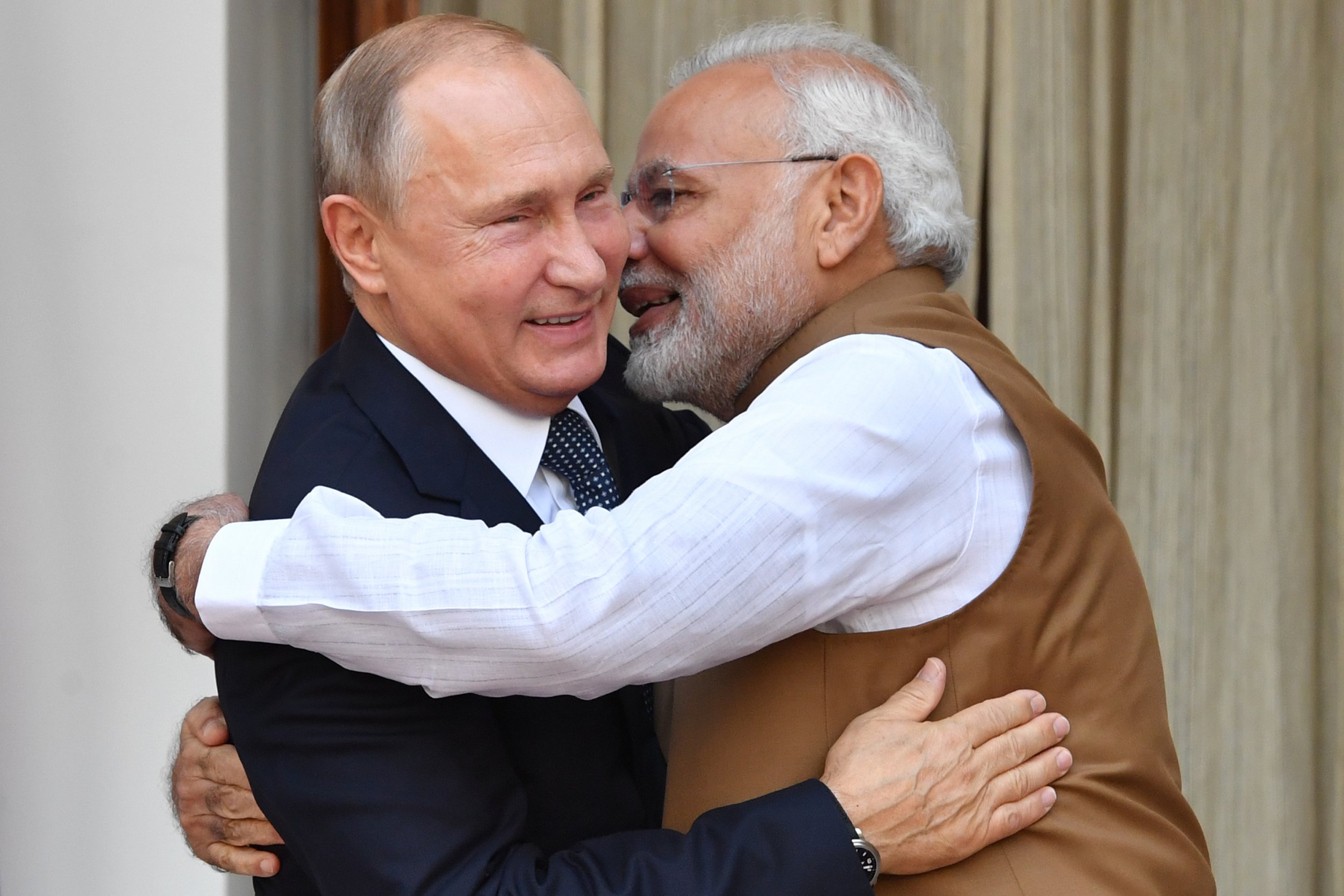
Delhi is also driven by the desire to jointly create a third pole of influence in the global systemic transition to multipolarity alongside Moscow and Tehran. (Photo internet reproduction)

Their unique and privileged strategic cooperation has naturally seen India importing more discounted oil from Russia, resulting in that country becoming this South Asian state’s fourth-largest supplier compared to its tenth largest one just two months prior.

Russia also dispatched oil to Sri Lanka, which had earlier run entirely out of fuel due to its worst-ever economic crisis. It thus indispensably helped stabilize the rapidly deteriorating living standards of that island nation’s people.

Its Power and Energy Minister also announced that he’s seeking another shipment of that resource from Russia and coal and diesel.

Nearby Bangladesh has also been offered to buy presumably discounted oil from Russia, which suggests that this Eurasian Great Power is taking advantage of its oil superpower status and the US-led Western sanctions imposed against that industry to expand its influence across South Asia through “energy diplomacy”.

This concept refers to the use of energy to achieve political dividends, in this case, most likely rewarding those three countries for not voting against it at the UN.

Moscow probably also envisions more comprehensively expanding its influence with its elite through these means since the import of discounted oil can help stabilize their economies and thus preempt political unrest.

The oddball out is Pakistan, whose former Prime Minister claimed that he was ousted in early April as part of a US-orchestrated regime change plot to punish him for his independent foreign policy, particularly its Russian dimension.

According to him, his country was on the brink of receiving discounted oil from its new partner, though the new authorities that replaced him have denied that any such deal was ever in the works.

Nevertheless, they also recently said that they wouldn’t rule out oil imports from Russia either, most likely due to the pressing circumstances caused by one of their worst-ever economic crises.

Like the other three South Asian countries that were already touched upon, Pakistan also declined to vote against Russia at the UN due to its policy of principled neutrality towards Moscow’s ongoing special military operation in Ukraine.

Be that as it is, uncertainty surrounds the new government’s position towards that conflict, considering how eager it is to reset ties with Russia’s American rival, which would predictably prefer for Pakistan to join the US-led West in publicly condemning Moscow then sanctioning it.

In any case, it’s still a positive development that the new government just reached a deal to import wheat from Russia, even if it’s unclear whether it’s on the same terms that Imran Khan sought.

Having briefly summarized these four countries’ energy relations with Russia in the context of the New Cold War, it’s now time to share some insightful observations. First, India is unquestionably Russia’s top partner of choice in South Asia for the mutually complementary grand strategic reasons that were mentioned.
We are witnessing India becoming what its status is. The center of a third power
We are witnessing India becoming what its status is. The center of the third pole of influence in the global systemic transition to multipolarity. (Photo internet reproduction)

Bangladesh seems to be on the fence about importing Russian oil, but it also can’t be ruled out either since those two have been historical partners of one another since the former’s inception. Therefore, the two countries whose approach stands out the most are Sri Lanka and Pakistan, which are in similar economic situations yet have made different decisions about importing Russian oil.

The first-mentioned is practically bankrupt and will therefore presumably soon come under the powerful influence of US-led Western international financial institutions that will almost certainly attach political strings to their aid.

This makes it all the more impressive that Sri Lanka defied their speculative pressure by bravely purchasing oil from Russia, which stands in contrast to the present policy of the new Pakistani authorities.

While the latter hasn’t ruled it out, they also haven’t clinched any deals either, despite former Prime Minister Khan claiming that he was on the brink of reaching such before his scandalous ouster in early April.

Pakistan’s economic crisis isn’t as bad as Sri Lanka’s. However, it is actively seeking aid from the IMF, which will almost certainly attach political strings to any deal, even if such are only discretely conveyed and not publicly acknowledged.

There presently aren’t any US-led Western sanctions on importing Russian oil, as confirmed by former White House Press Secretary Jen Psaki in April when she declared that “Energy imports are not banned, and they don’t violate our sanctions. We certainly recognize that every country will take a step in their interest.”

Even so, no one should doubt that the US would prefer for all countries to curtail and then cut off their energy trade with Russia.

With this understanding in mind, Pakistan’s new US-friendly government might be reluctant to import oil from Russia out of fear that doing so might slow the pace of its hoped-for reset with the US. Still, at the same time, it should also be pointed out that it went against its traditional partner’s presumed displeasure by just announcing its Russian wheat import deal (which also isn’t sanctioned, but the US probably still doesn’t want others purchasing it either).

This shows that there’s the political will to defy America’s preferences of its partners in pursuit of objective national interests related to ensuring food security and perhaps soon also energy security too.

The issue of relations with Russia has been politicized more in Pakistan than anywhere else in South Asia and perhaps the Global South more broadly due to the former government’s ties with that Eurasian Great Power being at the center of its political crisis following Imran Khan’s claims.

This makes the domestic and international situation there unique compared to its regional peers. While likely also being pressured by the US to distance themselves from Russia in all respects, they don’t have the issue of their ties with it being one of the reasons they were almost brought to the cusp of civil war last week like what just nearly happened in Pakistan.

What all of this goes to show is that there are most likely political considerations at play behind why Pakistan hasn’t yet clinched an oil import deal with Russia despite nearby, similarly US-pressured, much poorer, and therefore comparatively weaker Sri Lanka has already done so even though it’s in Pakistan’s objective national interests to ensure the reliable supply of presumably discounted oil for reasons of energy security.

Judging from its latest wheat deal with Russia, however, Pakistan might ultimately be compelled by pressing economic circumstances to go through with an energy deal, too, despite its traditional American partner’s displeasure if that happens.

To summarize the geopolitics of Russian energy in South Asia, India is far ahead of its neighbors in defying foreign pressure to distance itself from Moscow. At the same time, Sri Lanka surprisingly followed in its footsteps.

Bangladesh and Pakistan remain on the fence, though the former isn’t facing the same pressure as the latter is to keep itself at arm’s length from Russia. This suggests that whatever Dhaka does will be an independent decision. At the same time, Islamabad’s potentially continued reluctance to import this resource from Moscow would add credence to speculation that this is due to Washington’s influence.

By contrast, agreeing to an oil deal with Russia would suggest a higher degree of foreign policy autonomy.

This post is mirrored. It was first published at oneworld.press.

Read More from The Rio Times

Latin American financial intelligence, daily

Breaking news, market reports, and intelligence briefs — for investors, analysts, and expats.

Rotate for Best Experience

This report is optimized for landscape viewing. Rotate your phone for the full experience.