Messi Acquires Spanish Club Cornellà, Matching Ronaldo’s Move Into Ownership
Key Facts
— — Lionel Messi has acquired UE Cornellà, a 75-year-old fifth-division Spanish football club located in the Barcelona metropolitan area, where the Argentine star moved at age 12 to join FC Barcelona’s youth academy
— — The purchase puts Messi in direct competition with Cristiano Ronaldo, who bought a stake in UD Almería in February — extending their historic on-pitch rivalry into the business of football ownership
— — Messi’s growing business portfolio now spans club ownership, a €243 million Spanish real estate investment trust, a Silicon Valley sports-tech holding company, and an expected equity stake in Inter Miami upon retirement
The Rio Times, the Latin American financial news outlet, reports that Lionel Messi buys club ownership for the first time in his career, acquiring UE Cornellà — a modest fifth-division Spanish side with a 1,500-seat stadium in the Barcelona metropolitan area. Bloomberg reported the deal Thursday, though financial terms were not disclosed.
The 38-year-old Argentine, who currently earns between US$70 million and US$80 million annually at Inter Miami according to club owner Jorge Mas, chose a club whose geography is entirely personal. Messi moved to Barcelona at age 12, spent 21 years at FC Barcelona, and has long said he plans to return to Catalonia with his family after retirement.
Why Messi Buys Club in Catalonia — and Why Now
Cornellà is not a vanity purchase dressed as football romance. The club, founded in 1951, has spent most of its existence in Spain’s lower divisions but possesses a strong youth development system that produced Jordi Alba — who became one of the world’s best left-backs at Barcelona — as well as Arsenal goalkeeper David Raya and Barcelona defender Gerard Martín. Located minutes from the Camp Nou, the club sits in a talent pipeline that feeds directly into elite European football.
The club framed the acquisition as a commitment to local development, stating that the move “reinforces Messi’s close ties with Barcelona and his commitment to the development of sport and local talent in Catalonia.” The model is familiar across European football: acquire a lower-division club with strong academy infrastructure, invest in facilities and coaching, and build a development pathway that generates both players and value.
The Rivalry That Never Ends
Messi’s move places him alongside Cristiano Ronaldo in the club-ownership arena — Ronaldo purchased a stake in UD Almería in February, adding to a business empire that already includes hotels, fashion, and a reported US$8 million Miami penthouse. Between them, the two players who defined a generation of football hold 13 Ballon d’Ors, nine Champions League titles, and now competing interests in Spain’s football pyramid.
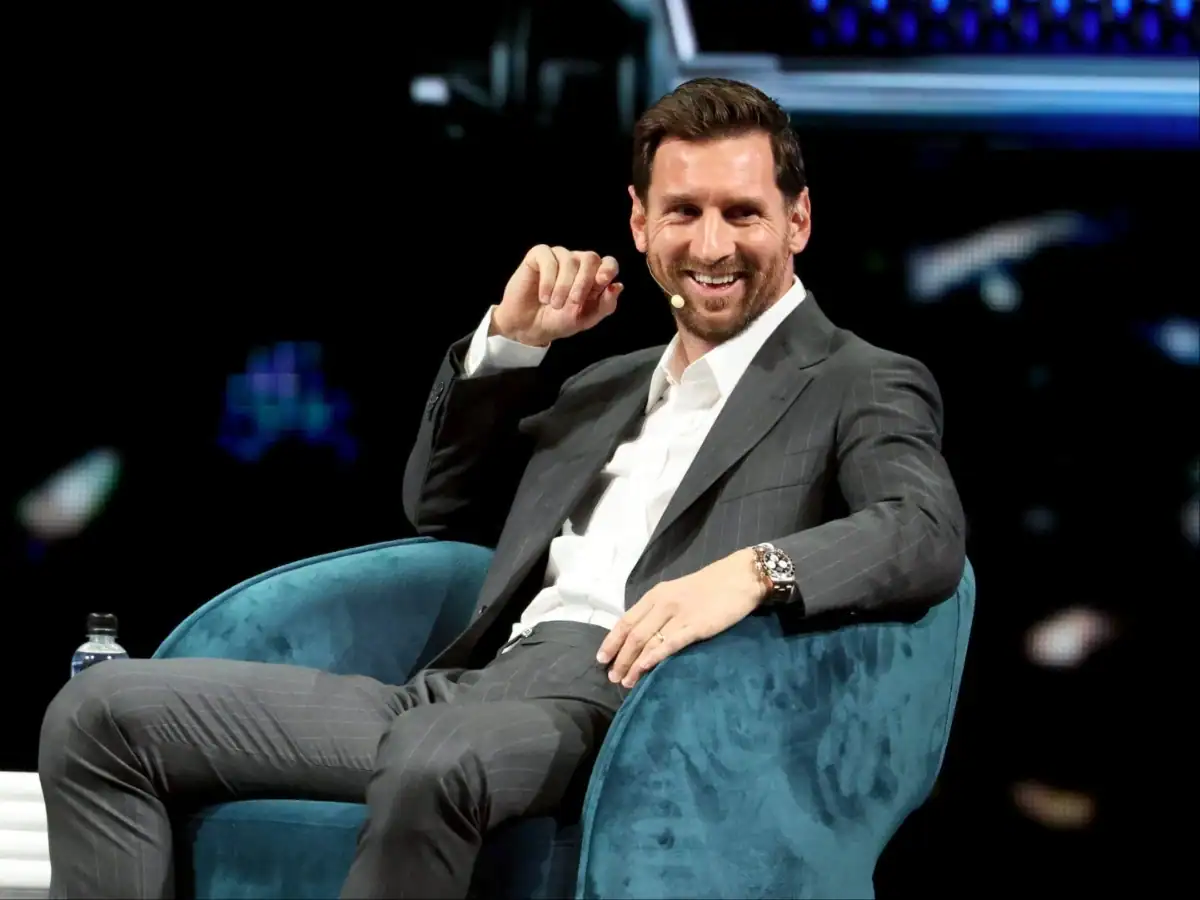
They are not alone among former Barcelona players entering ownership. Gerard Piqué is the controlling shareholder of FC Andorra, which competes in La Liga, and Cesc Fàbregas holds a stake in Italy’s Como 1907 where he also serves as head coach. Messi’s family also runs Leones de Rosario, a lower-division Argentine club in his hometown.
Messi’s Business Empire Beyond the Pitch
The Cornellà acquisition fits into a broadening post-career portfolio. Messi’s Spanish real estate vehicle, Edificio Rostower Socimi, listed on Spain’s Portfolio Stock Exchange with a market valuation of €243 million and owns hotels and residential properties across Catalonia, London, and Paris. His San Francisco-based Play Time Sports-Tech HoldCo invests in sports, media, and technology globally.
At Inter Miami — the MLS franchise co-owned by David Beckham that became the league’s most valuable club after Messi’s arrival in 2023 — the Argentine is expected to receive an equity stake upon retirement. The combination of club ownership in Spain, real estate across Europe, tech investments in Silicon Valley, and a future MLS equity position represents a diversified post-career architecture that mirrors, and in some dimensions exceeds, what Ronaldo has built. For more on Latin American football’s continental landscape, see The Rio Times’ daily LATAM sports coverage, which tracks the business and competition dynamics of the region’s football economy.
This article was produced by The Rio Times’ automated newsroom system. How we use AI · Report an error
Read More from The Rio Times