Marfrig-BRF Merger Secures Shareholder Approval, Awaiting Final Regulatory Nod
Brazil’s two leading meat producers, Marfrig and BRF, have joined forces in a merger approved by shareholders on August 5, 2025.
Together, they form MBRF, a new company with confirmed annual revenue of R$152 billion (over US$26 billion) and a workforce of 130,000 people.
The company now sends beef, chicken, and processed meats to 117 countries. Figures and confirmation come directly from official company statements and regulatory filings.
The merger combines the unique strengths of each company: Marfrig’s global beef business and BRF’s processed meats and poultry presence.
This union gives MBRF huge influence both at home and abroad. Company statements and industry data show MBRF will control about a quarter of Brazil’s total meat market and almost half of its processed meat sector.
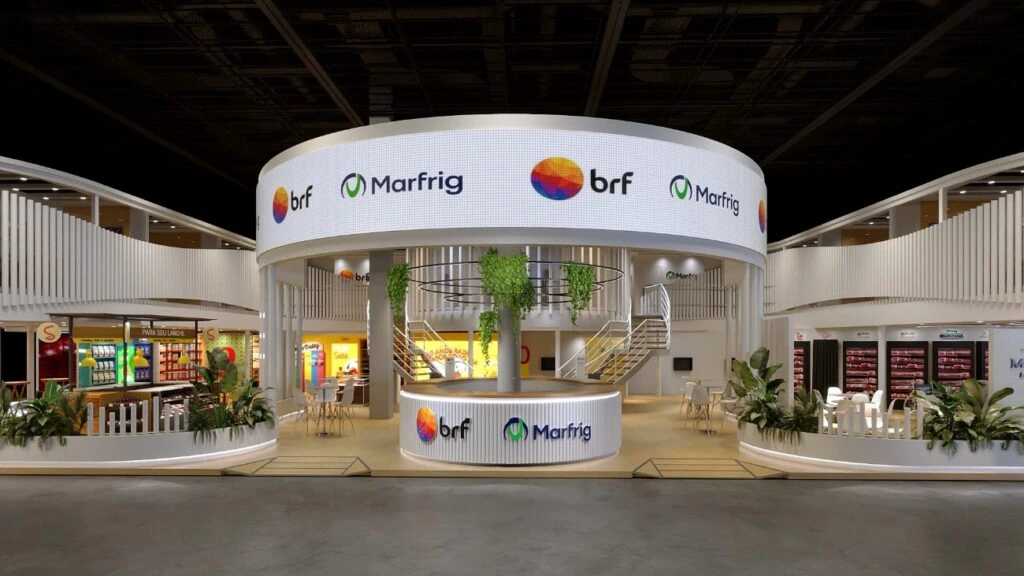
This move still needs final approval from Brazil’s antitrust agency, CADE. Some rivals and minority investors worry about the power this new giant could have.
There are also real concerns from regulators because a Saudi state fund, SALIC, holds shares in both the new company and another big Brazilian competitor, Minerva.
Official sources confirm that most shareholders liked the deal: nearly 87% of Marfrig’s and 78% of BRF’s voted in favor. Part of the agreement included special dividend payments. BRF agreed to about R$3.5 billion, and Marfrig agreed to another R$2.5 billion.
Brazil’s Meat Industry Merger
All payments are pending CADE’s approval and shareholder choices. Brazil stands out as the world’s largest beef and chicken exporter, based on figures from ABPA and Abrafrigo.
In 2025, the country shipped over 5.4 million tons of chicken and about 1.35 million tons of beef to buyers led by China and the US.
This super-sized merger gives MBRF more control over these massive export flows, letting it negotiate harder with buyers and possibly set prices others must follow.
What’s really happening? The merger responds to tougher competition and thinner profits in the global food business. By joining forces, MBRF says it will save about R$805 million a year by cutting duplicate costs and squeezing better deals from suppliers.
These targets are reported in their official financial statements. For consumers and farmers, this deal brings risks as well as possible efficiencies.
Fewer big players often mean less competition. That could help MBRF influence supermarket prices, squeeze smaller competitors, and shape what the world eats.
Live Company IntelligenceMarfrig Global Foods SA — the full investor dossier
Valuation & profitability
Price & risk
$14.4952-wk high
$26.83
Revenue trend · 6y
Ownership
Dividend
This article was produced by The Rio Times’ automated newsroom system. How we use AI · Report an error · Editorial responsibility: Matthias Camenzind, Editor-in-Chief
LatAm Markets: Live Signals → — real-time movers, turnover leaders and FX across Latin America.