Lula’s PT May Send Haddad Into the São Paulo Governor Race for 2026
Key Points
- PT is leaning toward Fernando Haddad for São Paulo governor to avoid being pushed off Brazil’s most influential campaign stage in 2026.
- Lula has preferred Haddad for the Senate, but Geraldo Alckmin is signaling he will stay as vice-president, narrowing PT’s options.
- If Haddad leaves Finance to run, markets will immediately test whether fiscal policy stays steady and who takes the helm.
Inside Brazil’s governing coalition, a practical fear is reshaping the 2026 map: São Paulo is too decisive to face with a weak ticket.
That calculation is why Finance Minister Fernando Haddad has gained traction in PT circles as a possible candidate for governor, even as he remains the public face of the government’s economic agenda.
Party strategists argue that São Paulo does more than deliver votes. It sets the tone of the national campaign, dominates fundraising, and draws disproportionate attention from business leaders and investors. Yet our reporting has consistently shown that the PT has struggled for years to field competitive candidates in São Paulo—a structural weakness stretching back at least to the 2020 municipal cycle, when the party had not even officially opened negotiations with other leftist parties for the São Paulo mayoral race and faced internal resistance from regional leaders. That pattern has repeatedly forced the party into last-minute improvisations rather than building a deep bench.
Without a credible contender there, they worry Lula’s re-election effort could look politically isolated in the country’s richest state.
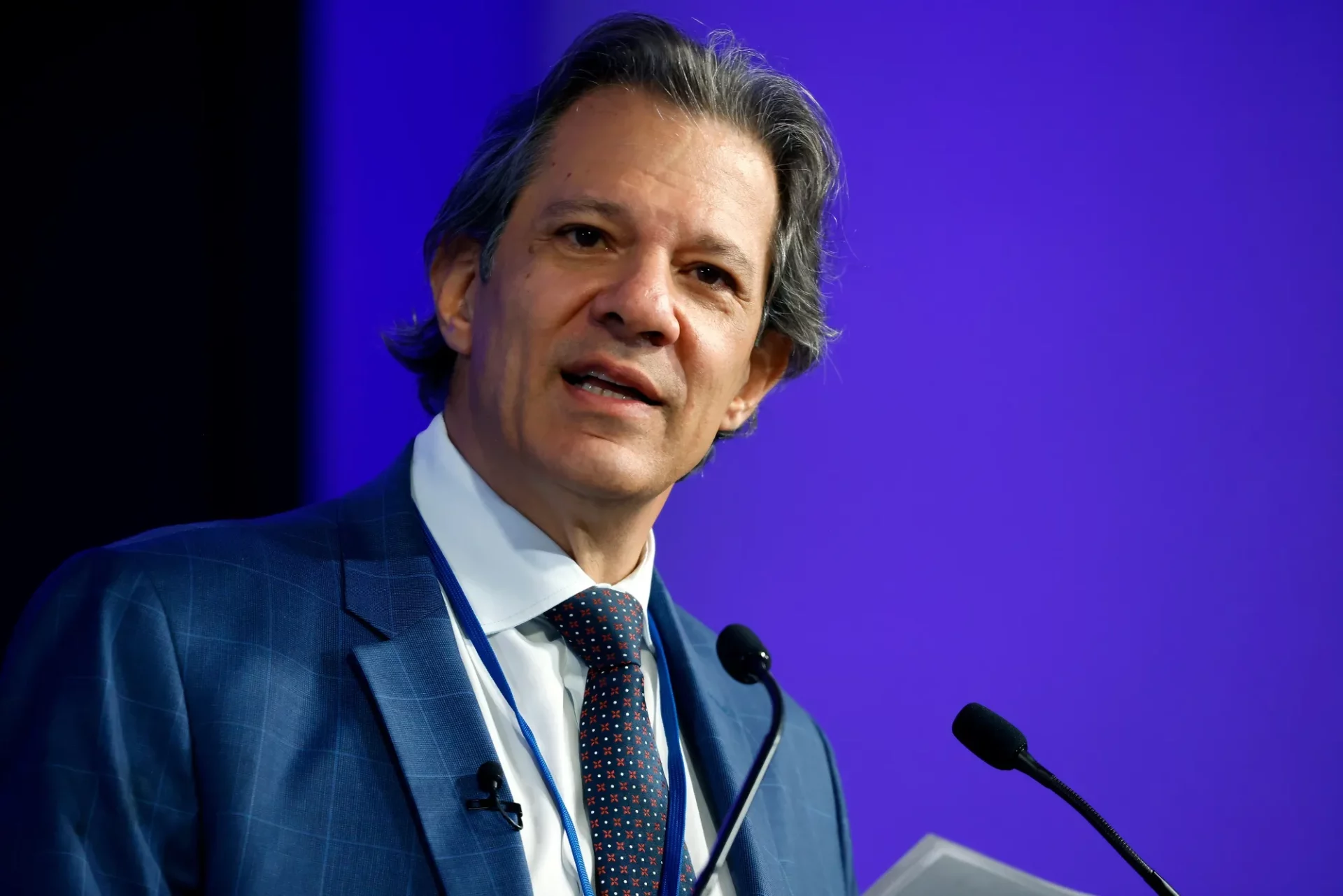
Until recently, some allies viewed Vice President Geraldo Alckmin as the obvious solution. That option is fading. Alckmin has indicated he does not want to run for governor and prefers to remain on Lula’s ticket in 2026.
With that door closing, PT leaders increasingly see Haddad as the only remaining name with enough statewide recognition to keep the race competitive.
Haddad candidacy debate raises fiscal stakes
This is not the president’s first choice. Lula has leaned toward Haddad running for the Senate in São Paulo, where party insiders believe his odds of winning are stronger.
The institutional stakes are large: in 2026, Brazil renews two-thirds of the Senate, with voters choosing two senators in each state—54 of 81 seats. For any administration, a hostile Senate can block key appointments and harden political gridlock after 2027.
Haddad himself has resisted the idea of another campaign. In late 2025, he reiterated he did not intend to run in 2026 and suggested he could leave the Finance Ministry to help Lula’s campaign in some capacity.
Even the prospect of his departure carries consequences. Haddad has been the government’s fiscal anchor; a switch would intensify scrutiny of his successor and the durability of budget targets and tax plans.
The clock is also unforgiving. Brazil votes on October 4, 2026, with a runoff on October 25, and senior officeholders typically must step down months earlier, around early April.
In São Paulo, Governor Tarcísio de Freitas enters as the favorite for re-election, with late-2025 polling showing approval above 60%—a reminder of why PT is debating its highest-profile option.
Related coverage: Brazil’s Morning Call | Why Brazil’s 2026 Election Matters Globally: Trust, Tech, An This is part of The Rio Times’ daily coverage of Brazil politics and Latin American financial news.
This article was drafted with automated assistance and reviewed before publication. How we use AI · Report an error
Read More from The Rio Times