Leadership Void Fractures Bolivia’s Left as Conservatives Eye Historic Shift
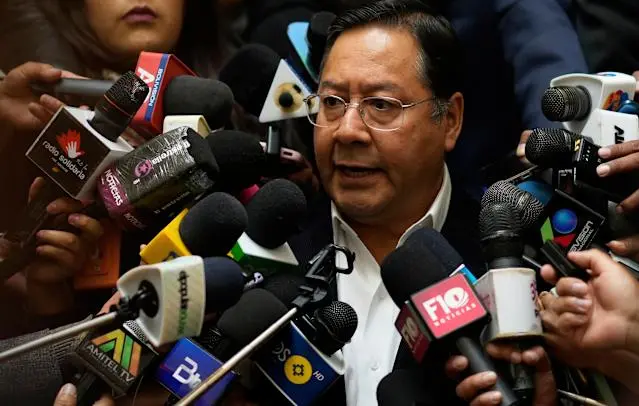
President Luis Arce’s abrupt exit from Bolivia’s August presidential race has exposed a destabilizing power vacuum within the ruling Movement Toward Socialism (MAS), offering conservatives their first viable path to power in two decades.
Arce withdrew on May 14, 2025, as his approval cratered to 1% amid inflation nearing 6% and crippling fuel shortages, with 86% of diesel and 56% of gasoline now imported. The central bank’s dollar reserves have nearly vanished, forcing rationing and protests.
Former President Evo Morales, barred from office by a 2023 Constitutional Court ruling upholding term limits, remains legally sidelined despite mobilizing rural supporters. His attempt to run via the Frente Para la Victoria party faltered as courts backed Arce’s faction.
Morales now faces arrest warrants over allegations of a relationship with a minor, further weakening his influence. The MAS split deepened in late 2024 when Arce allies ousted Morales from party leadership, fracturing the coalition that has governed since 2006.
Senate President Andrónico Rodríguez, 36, emerges as MAS’s consensus candidate, leveraging ties to both Arce loyalists and Morales’ coca unions.
Rodríguez’s rise follows months of infighting that stalled economic reforms, leaving Bolivia dependent on Russian and Chinese lithium deals to offset collapsing gas exports.
Bolivia’s Political Crossroads
Opposition factions, while fragmented among five candidates, could capitalize on voter frustration over inflation eroding wages and fuel lines stretching miles.
Conservatives face their own challenges: no clear frontrunner has unified the right, and past leaders like Jorge Quiroga and Carlos Mesa lack broad support.
However, Arce’s departure and Morales’ legal woes have created an opening. The right’s platform, emphasizing dollarization and subsidy cuts, resonates with businesses battered by import restrictions and black-market currency rates.
Bolivia’s economic freefall underpins the political reckoning. Once a natural gas exporter, the country now faces empty coffers and a 50% gap between official and black-market exchange rates.
Fuel subsidies consume 3% of GDP, yet shortages persist, paralyzing agriculture. The next government must address these issues while navigating a polarized electorate.
For conservatives, the path hinges on consolidating support before the May 19 registration deadline. A unified right could exploit MAS’s disarray, but historical divisions and grassroots loyalty to leftist policies remain hurdles.
The August vote now tests whether Bolivia’s right can transition from opposition to governance-or if MAS’s legacy withstands its internal collapse.
More: Bolivia news in English, every day from The Rio Times.
This article was produced by The Rio Times’ automated newsroom system. How we use AI · Report an error · Editorial responsibility: Matthias Camenzind, Editor-in-Chief