JBS Invests Heavily in U.S. Beef Production Amid Drought
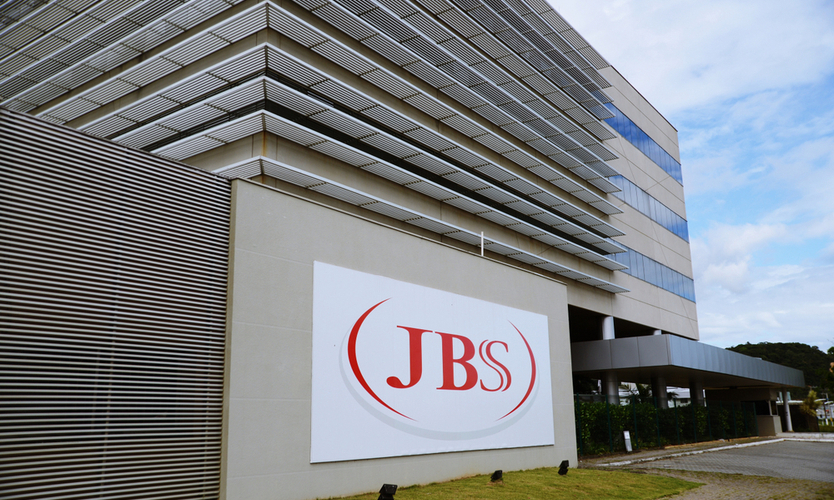
JBS USA announced a $200 million investment in its Texas and Colorado beef facilities on February 4, 2025, signaling confidence in American agriculture despite industry headwinds.
The world’s largest meat processor will funnel $150 million into its Cactus, Texas, plant for a high-tech fabrication floor and expanded ground beef operations, while $50 million upgrades Greeley, Colorado’s distribution hub.
CEO Wesley Batista Filho called the move a “strategic bet” on U.S. efficiency and cattle producers. The Cactus facility employs 3,700 workers and spends $2.9 billion annually on livestock, while Greeley supports 3,800 jobs and injects $3.1 billion into local ranchers’ pockets.
Both plants process 6,000 cattle daily, but upgrades aim to boost output as U.S. herds hit 70-year lows. Droughts since 2024 slashed cattle supplies, spiking costs and squeezing margins.
JBS’s U.S. beef EBITDA margin dipped to 1.9% in late 2024, yet global revenue hit $19.9 billion in Q3 2024, up 6.4% year-over-year. Community investments softened local tensions.
Since 2020, JBS poured $15 million into Texas and Colorado towns, funding STEM labs, affordable housing, and a tuition-free college program enrolling 500 workers’ families.
Critics note the timing: JBS recently paid $4 million to settle child labor violations and faces a shareholder vote on reinstating former execs accused of insider trading.
JBS’s Strategic Expansion
Globally, JBS diversifies to hedge risks. A $2.5 billion Nigerian food chain deal and a 50% stake in egg giant Mantiqueira—producing 4 billion eggs yearly—broaden its portfolio.
Analysts project 2025 revenue at $77 billion, though net income forecasts slid to $8.9 billion amid currency swings. Shares fell 5.6% in early 2025 as Brazil’s real gained against the dollar, eroding export profits.
Batista Filho bets automation will counter labor and supply strains. The Texas upgrades aim to trim processing bottlenecks, while Colorado’s logistics hub accelerates deliveries to retailers.
“Efficiency drives survival now,” said a Cactus plant manager, citing triple-digit cattle price spikes since 2023. USDA forecasts 2025 U.S. beef output dropping 5%, tightening global supplies as China’s demand surges.
JBS treads cautiously. Its NYSE listing remains stalled amid ESG pushback, and Ban the Batistas activists rally against leadership’s return. Still, dividends hit $382 million in January 2025, rewarding patient investors.
For ranchers like Tom Harris, a JBS partner in Amarillo, the expansion brings relief: “They’re doubling down when others retreat. That’s our lifeline.” The gamble hinges on a U.S. herd rebound by 2026 and JBS’s ability to outmuscle rivals in a shrinking market.
As Batista Filho said, “Investing through cycles separates contenders from survivors.” With $1 billion pledged for sustainability tech by 2030, the meat giant bets innovation—and scale—will keep it atop a volatile food chain.
More: Brazil news in English, every day from The Rio Times.
Live Company IntelligenceJBS N.V. — the full investor dossier
Wall Street view
Valuation & profitability
Price & risk
$10.6152-wk high
$17.27
Revenue trend · 6y
Ownership
Dividend
This article was produced by The Rio Times’ automated newsroom system. How we use AI · Report an error · Editorial responsibility: Matthias Camenzind, Editor-in-Chief
LatAm Markets: Live Signals → — real-time movers, turnover leaders and FX across Latin America.
Brazil runoff, Sunday, October 25: Brazil runoff start time and results schedule. Latest: Brazil runoff polls, Flávio 51%, Lula 49%.