French Tereos CEO Calls for Rethink on EU-Mercosur Trade Deal
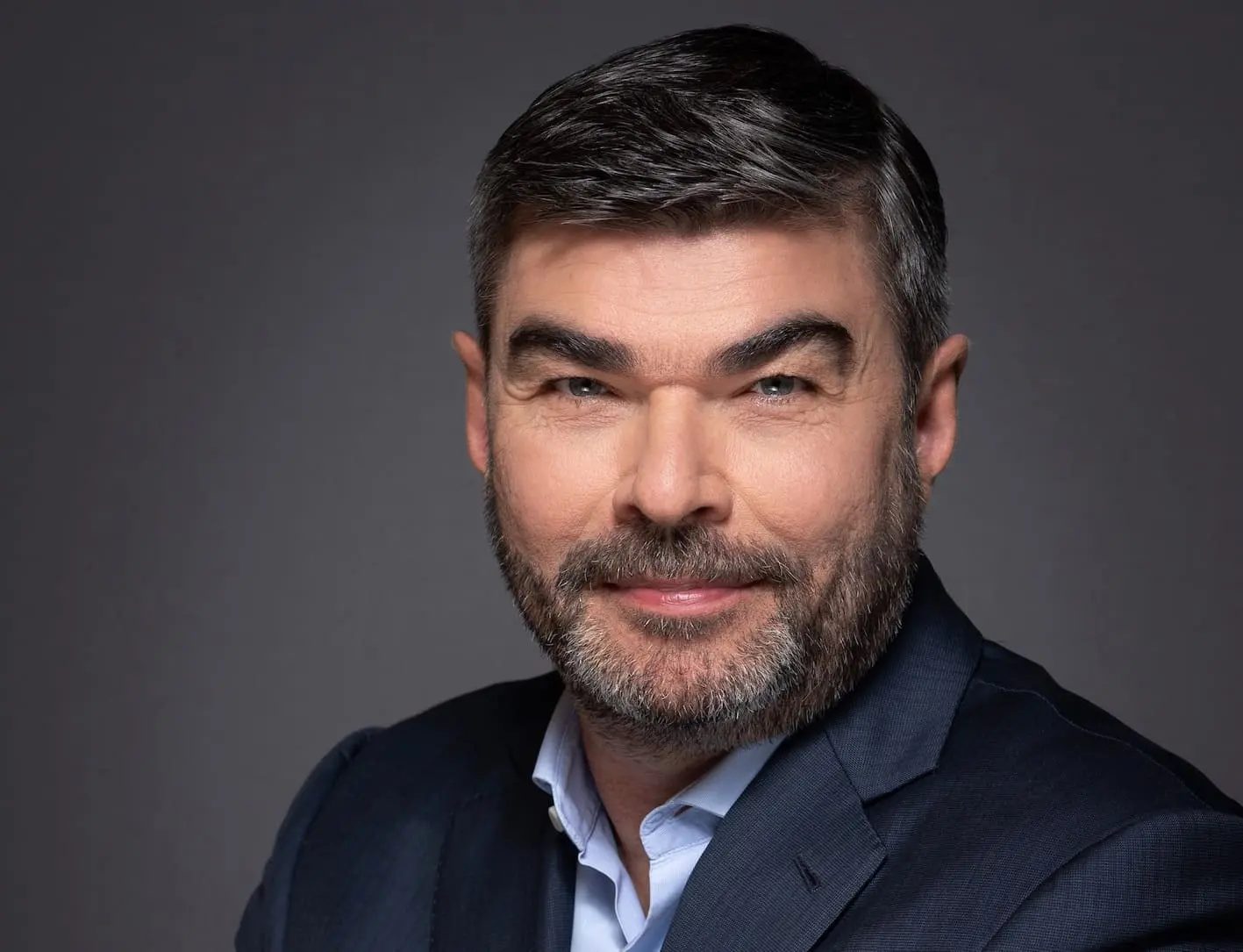
Olivier Leducq, CEO of the French sugar and ethanol group Tereos, recently expressed his opposition to the current terms of the proposed trade agreement between the European Union and Mercosur.
He voiced concerns over what he perceives as “unfair competition” that could arise from differences in agricultural standards between France and Mercosur countries, including Brazil.
Leducq shared his views on LinkedIn, questioning how French agricultural exports could compete against imports that do not adhere to the same environmental and social regulations.
His stance is supported by French President Emmanuel Macron, who also seeks to protect France’s agricultural sector. Leducq urged France to rally other EU member states to prevent the European Commission from imposing the agreement.
He highlighted potential significant impacts on the sugar and ethanol sectors, dismissing mirror clauses as ineffective safeguards. Tereos, a France-based company, operates on a global scale.
In Brazil, it owns Guarani Sugar and holds the position of the country’s second-largest sugar producer. The company clarified that Leducq’s comments were intended to spark deeper discussions.
His remarks focused on regulatory disparities affecting economic competitiveness between trading blocs. Tereos emphasized its commitment to sustainable practices and compliance with regional regulations.
EU-Mercosur Trade Deal Faces Renewed Tensions
The CEO clarified that his concerns were not related to the quality of Brazilian agriculture. Instead, he highlighted disparities in environmental and social standards between the EU and Mercosur countries.
Leducq’s statement coincided with Carrefour Group President Alexandre Bompard’s announcement that Carrefour would not sell Mercosur-sourced meat in France.
In addition, this decision triggered a crisis, prompting Brazilian meat producers to halt deliveries to Carrefour Brazil.
The EU-Mercosur trade deal has faced protests from French farmers who argue that South American agricultural products benefit from lower production standards. However, these protests underscore ongoing tensions over the 20-year negotiations.
In a recent video, President Macron reiterated France’s refusal to sign the agreement, citing its negative impact on French agriculture. He also noted Argentina’s dissatisfaction with the deal during his visit to South America for the G20 summit in Rio de Janeiro.
For the full picture, see our Mercosur EU Trade Deal: Complete Guide.
More: Brazil news in English, every day from The Rio Times.
This article was produced by The Rio Times’ automated newsroom system. How we use AI · Report an error
Read More from The Rio Times