France Seeks Polish Alliance to Challenge EU-Mercosur Trade Deal
France has intensified its efforts to block the EU-Mercosur trade agreement. The French government now aims to persuade Poland to join its opposition.
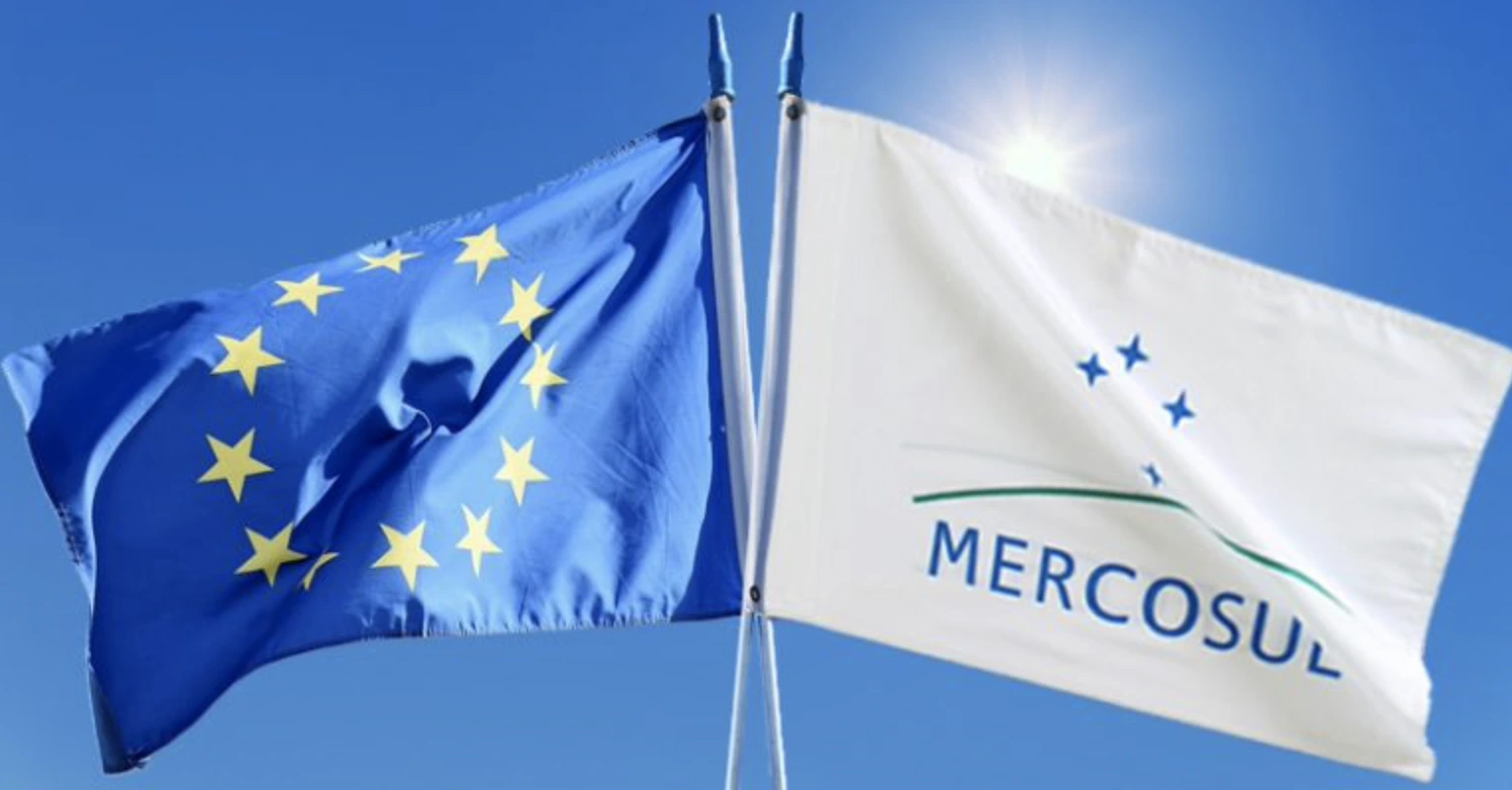
This move comes as the European Commission pushes to finalize the deal by year-end. The agreement would link the EU with Brazil, Argentina, Uruguay, and Paraguay.
France’s main concern stems from the potential impact on its agricultural sector. French farmers worry that cheaper South American products could harm their livelihoods.
The country has long demanded “mirror clauses” to ensure equal production standards. These would apply EU agricultural restrictions to Mercosur competitors.
Poland might prove a valuable ally for France in this matter. The country has previously shown protectionist tendencies towards its farming industry.
Last year, Poland banned Ukrainian grain imports, sparking a diplomatic dispute with Kiev. This history suggests Poland might be receptive to France’s overtures.
However, France faces significant hurdles in its quest to block the deal. EU rules require a blocking minority of four member states representing 35% of the EU population.
Germany, which accounts for about 20% of EU citizens, strongly supports the agreement. Italy and Spain also favor the deal, complicating France’s efforts.
The EU-Mercosur Trade Agreement
The German economy stands to gain considerably from the agreement. It would open up Latin American markets to European exports, particularly machinery and automobiles.
This potential benefit explains Germany’s firm backing of the deal. France might find support from other countries with strong agricultural sectors.
Austria, Hungary, and Ireland could potentially align with France’s position. Yet, forming a blocking minority remains a challenging task for the French government.
The European Commission has not ignored French concerns entirely. It is considering a compensation package for affected French farmers. This move aims to address some objections while still advancing the agreement.
The EU-Mercosur deal has been in negotiation for over 25 years. If ratified, it would become one of the largest free trade agreements in history. The pact would remove trade barriers and foster economic cooperation between the two blocs.
The European Commission’s push to finalize the agreement carries political risks. Forcing the deal through could potentially trigger diplomatic tensions.
This is especially true given ongoing budget negotiations in the French parliament. As the situation unfolds, the coming weeks will prove crucial.
France’s ability to gather allies will determine the fate of this landmark agreement. The outcome will significantly impact trade relations between Europe and South America.
For the full picture, see our Mercosur EU Trade Deal: Complete Guide.
More: Brazil news in English, every day from The Rio Times.
This article was produced by The Rio Times’ automated newsroom system. How we use AI · Report an error · Editorial responsibility: Matthias Camenzind, Editor-in-Chief