First 48 Hours in Brazil: What to Do After Landing
Key Facts
—Legal clock. The passport entry stamp starts the stay period for tourists and the 90-day federal registration window for many long-stay visa holders.
—First practical asset. A Brazilian mobile number is often needed for banking, ride-hailing, delivery apps, government portals and two-factor verification.
—First document target. The individual taxpayer number, known as CPF, is the gateway document for rentals, bank accounts, health insurance and most formal services.
—Address proof. A hotel booking, rental contract or host declaration can become the first proof of residence used in early administrative steps.
—Risk control. The first 48 hours are not about solving everything; they are about securing connectivity, legal dates, address evidence and the first official number.
For foreigners arriving in Brazil, the first two days decide whether the move begins with momentum or bureaucracy. The country is workable, digital and service-rich, but only after the basic identity, address and connectivity pieces are put in place.
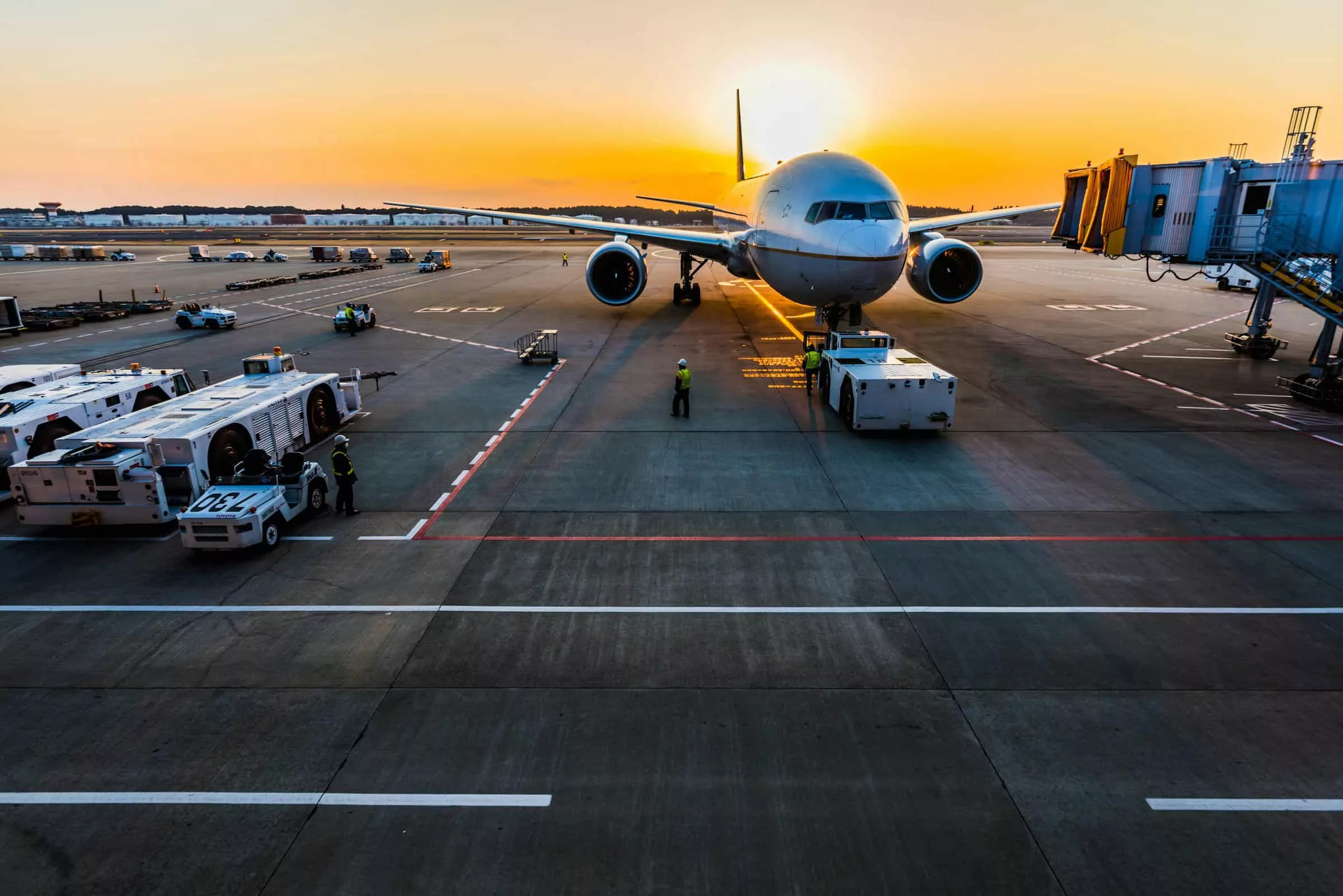
Landing in Brazil is rarely the hard part. The international airports work, transport apps function, hotels know foreign documents and the large cities are used to arrivals. The difficulty begins when a newcomer leaves the terminal without a local number, without cash, without a photographed entry stamp and without a plan for the first official document.
This is why the first 48 hours in Brazil should be treated as an operating window. The goal is not to become settled. The goal is to avoid the avoidable friction that later blocks a bank account, a rental contract, a health plan or a federal registration appointment.
What should foreigners do before leaving the airport?
Foreigners should confirm the entry stamp, secure mobile data, withdraw a modest cash reserve and choose controlled transport before leaving arrivals. These four steps reduce most first-day problems.
The entry stamp matters because it anchors the legal timeline. Tourists must track the permitted stay period, while long-stay visa holders usually need to complete federal police registration within 90 days of entry. Photograph the stamp before the passport goes into a bag or hotel safe.
A local SIM card is the next priority. Vivo, Claro and TIM are the main national operators. A prepaid plan normally costs far less than the first airport transfer, and it gives immediate access to ride-hailing, maps, delivery, bank verification and emergency contacts. If an eSIM is already active, test it before leaving the airport building.
Why does the CPF matter so early?
The CPF matters because Brazil uses it as the everyday identity key for formal services. Without it, many routine tasks become slow, manual or impossible.
The CPF is Brazil’s individual taxpayer number. Foreigners use it for bank accounts, mobile contracts, apartment rentals, private health insurance, government portals and many online purchases. The federal tax authority allows foreigners to apply through official channels, and many arrivals can complete the process online once they have a passport scan and a Brazilian address.
The address does not need to be permanent at the start. A hotel reservation, short-term rental confirmation or host declaration may be enough for early steps. What matters is that the address is written in the Brazilian format: street, number, complement if any, neighborhood, city, state and postal code.
| First 48-hour task | Why it matters | Can it wait? |
|---|---|---|
| Photograph entry stamp | Starts legal stay and registration timing | No |
| Buy SIM or activate eSIM | Unlocks transport, banking and verification | No |
| Start CPF application | Gateway for formal life in Brazil | Only briefly |
| Open a bank account | Needs CPF and proof of address first | Yes |
Source: Brazil federal tax and immigration guidance; Rio Times practical arrival checklist.
What should happen on the first night?
The first night should be used to secure the address record, test connectivity and reduce practical risk, not to rush into long-term decisions. A calm first evening often prevents a chaotic first week.
Save the full accommodation address, including apartment number or complement, neighborhood and postal code. Ask the hotel, host or rental platform for a confirmation that shows your name and the address. This document can support early CPF, health and administrative steps.
Then set up the daily tools: maps, Uber or 99, a delivery app, banking authentication if already available, and a cloud folder for scans of passport, visa, entry stamp, address proof and insurance documents. Brazil is highly app-based; arriving without digital access makes the country feel harder than it is.
Which Brazil tasks can wait?
Several important tasks can wait because they require the first documents to be in place. The mistake is not delaying them; the mistake is delaying the prerequisites.
A long-term lease, a full private health-insurance comparison, a permanent bank account and federal registration logistics do not all need to be finished in the first 48 hours. They do, however, depend on the same foundation: passport evidence, CPF, address proof, local contact number and a clean record of visa dates.
What should new arrivals watch next?
- CPF response: If the online application is not confirmed within 48 hours, prepare for an in-person or assisted route rather than waiting passively.
- Federal registration window: Long-stay visa holders should calculate the 90-day deadline from the passport stamp, not from the date they find housing.
- Address stability: A move from hotel to apartment changes the proof-of-address trail; keep both records.
- Phone continuity: Do not lose the first Brazilian number until banking and government logins are transferred to a stable number.
- Health access: Once the CPF exists, decide whether to rely on public emergency access, private insurance or a hybrid arrangement.
More: Brazil news in English, every day from The Rio Times.
Frequently Asked Questions
Can foreigners get a CPF before they have a permanent address?
Yes. A temporary Brazilian address, such as a hotel or short-term rental, can often be used for the first application. The address should be written completely and supported by a reservation, contract or host declaration.
Is cash still necessary after landing in Brazil?
A small cash reserve is still useful for the first hours, even though card and app payments are common. Airport exchange rates are poor, so the point is convenience, not currency strategy.
Should new arrivals register with Brazil’s public health system immediately?
It does not need to be the first-day task, but it belongs early in the settlement sequence. Registration is easier once the CPF and address proof exist.
What is the most common first-week mistake?
The common mistake is treating the first week as tourism only. Brazil rewards visitors who quickly secure identity, address and phone infrastructure before the more enjoyable parts of settlement begin.
Connected Coverage
Related Rio Times coverage: Healthcare in Brazil for Expats · Latin America Economy 2026 · One in Three Latin Americans Wants to Leave.
Sources
- Federal Revenue Service of Brazil — CPF and taxpayer registration guidance: gov.br/receitafederal
- Federal Police of Brazil — immigration and foreigner registration guidance: gov.br/pf
- Brazil Ministry of Health — public health system information: gov.br/saude
- ANVISA — medicine and generic-drug regulatory information: gov.br/anvisa
- São Paulo Metro — public transport and ticketing information: metro.sp.gov.br
- Rio de Janeiro transport card system — local transport card information: cartaoriocard.com.br
Published: 2026-05-16T12:38:54-03:00 · Updated: 2026-05-16T12:45:00-03:00 · Dateline: SÃO PAULO
This article was produced by The Rio Times’ automated newsroom system. How we use AI · Report an error · Editorial responsibility: Matthias Camenzind, Editor-in-Chief
Expat Guide to Brazil
What The Rio Times publishes for foreigners who live in or move to Brazil.
Start here
- Do US Citizens Need a Visa for Brazil? Yes, US$80.90 E-Visa
- Brazil Education and Healthcare Explained
- Brazil Security and Crime Explained 2026
- Brazil Rent and Power Bills After 4.58% Inflation
City guides
Rio de Janeiro, São Paulo, Florianópolis, Salvador, Belo Horizonte, Curitiba, Porto Alegre, Brasília
Coming up in Brazil
- Copa Sudamericana Semi-Final Return Legs: Times and US TV 20 Oct
- Pussycat Dolls in São Paulo, Brazil: Reunion Show at Nubank Parque on October 20, 2026 20 Oct
- What to Do in Porto Alegre in October 2026 21 Oct
- Brazil Runoff Date and Results Time: 25 October, 4 p.m. ET 25 Oct
Understand Brazil