China Now Offers Brazil More Opportunity and Less Risk Than the U.S., Top Diplomat Says
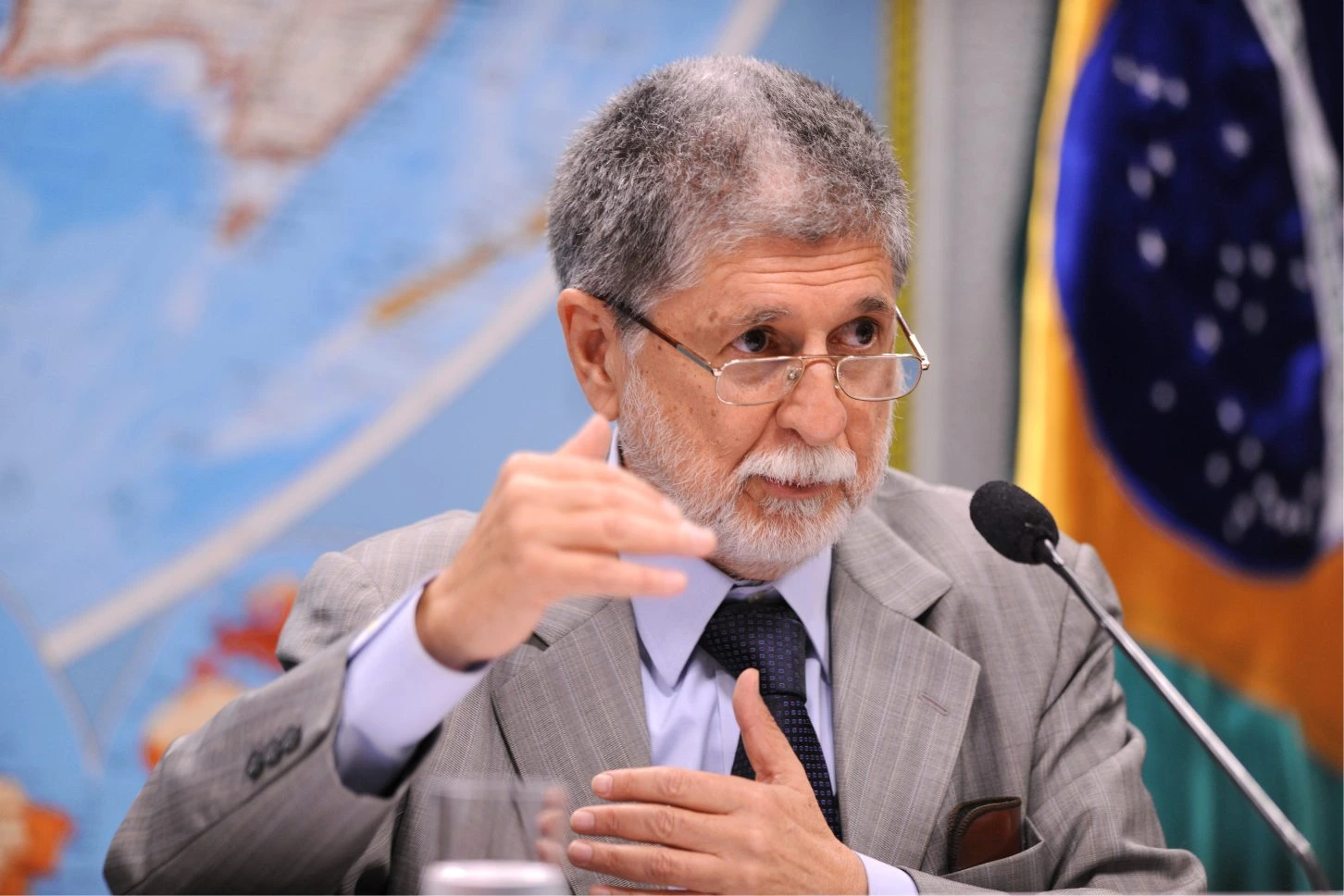
Brazil’s top presidential advisor, Celso Amorim, recently stated that China now offers Brazil more opportunities and fewer risks than the United States. This view reflects a shift in Brazil’s economic strategy, as the country pursues pragmatic ties with major partners.
The numbers support his claim. In 2023, Brazil’s trade with China reached $181.53 billion, up 6.1 percent from the previous year. China has been Brazil’s largest trading partner since 2009, overtaking the U.S. and staying ahead ever since.
Brazil exports mainly agricultural products and minerals to China, while Chinese investment in Brazil has exceeded $51 billion, focusing on energy, infrastructure, and green technology.
China’s direct investment in Brazil continues to grow, with a strong focus on clean energy and infrastructure. In 2024, 72 percent of Chinese investment in Brazil went to green energy projects.
Chinese companies are building power transmission lines and supporting hydropower, solar, and wind projects. These investments help Brazil modernize its infrastructure and move toward sustainable growth.
Brazil’s Record U.S. Exports and Strategic Pivot to China
Brazil also supplies most of China’s imported soybeans and corn, making agriculture a cornerstone of the relationship. Meanwhile, Brazil’s trade with the U.S. remains strong but less dynamic.
In 2024, Brazil set a record with $40.3 billion in exports to the U.S., mainly industrial goods. However, the trade balance is less favorable and more exposed to policy risks, such as tariffs and shifting U.S. priorities.
Brazilian officials see Chinese investment as more stable and less subject to sudden political changes. Brazil’s government continues to hedge between both powers, seeking to maximize benefits while protecting its autonomy.
The data show China’s growing role as a source of capital and demand, making it a safer and more promising partner for Brazil’s future. All figures and claims here are based on official trade and investment data, with no fabrication or exaggeration.
More: Brazil news in English, every day from The Rio Times.
This article was produced by The Rio Times’ automated newsroom system. How we use AI · Report an error · Editorial responsibility: Matthias Camenzind, Editor-in-Chief