China Deploys Naval and Air Forces in South China Sea
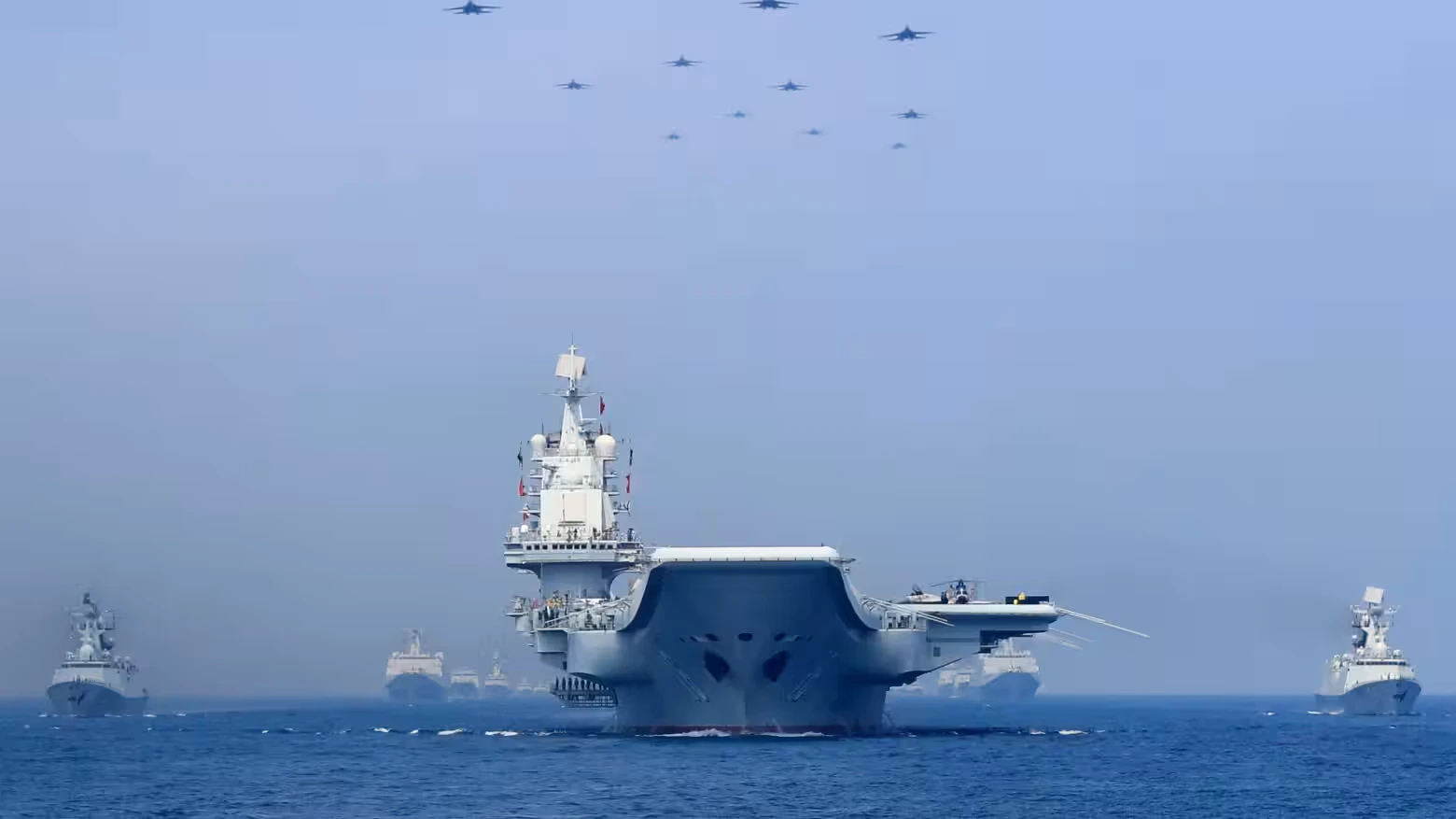
On November 28, 2024, China’s Southern Theater Command announced a significant military deployment in the South China Sea. The People’s Liberation Army Navy and Air Force began conducting joint patrols around Scarborough Shoal.
This move marks a notable escalation in the ongoing territorial disputes in the region. China’s military has intensified its presence in the area since early November.
Naval vessels and aircraft now regularly patrol the waters and airspace near Scarborough Shoal. The Chinese government claims these actions are necessary to protect national sovereignty and maritime rights.
The deployment has raised concerns among neighboring countries, particularly the Philippines. Scarborough Shoal, located 220 kilometers west of Luzon Island, has been a flashpoint for years.
China effectively controlled the shoal since a 2012 standoff with the Philippines. Tensions between China and the Philippines have been simmering throughout 2024.
Multiple confrontations have occurred in disputed areas, including Scarborough Shoal and Second Thomas Shoal. These incidents have strained diplomatic relations between the two nations.
Geopolitical Tensions in the South China Sea
The United States, a key ally of the Philippines, has closely monitored the situation. American officials have reaffirmed their commitment to the Philippines’ defense.
They continue to emphasize the importance of freedom of navigation in the South China Sea. Other regional players have also expressed concern over China’s actions.
Japan has called for peaceful resolution of disputes and stressed the need for open sea lanes. ASEAN countries have urged restraint and dialogue to resolve differences.
China’s assertive stance in the South China Sea reflects its growing naval capabilities. The country has invested heavily in modernizing its maritime forces over the past decade.
This deployment demonstrates China’s ability to project power far from its shores. The situation highlights the complex geopolitical dynamics in Southeast Asia.
China’s claims to most of the South China Sea conflict with those of several neighboring countries. These disputes involve valuable fishing grounds, potential oil and gas reserves, and strategic shipping lanes.
International legal efforts have failed to resolve the conflicts. A 2016 ruling by the Permanent Court of Arbitration rejected China’s expansive maritime claims.
However, China refused to recognize this decision, maintaining its stance on territorial sovereignty. Negotiations between China and ASEAN on a Code of Conduct for the South China Sea have made little progress.
Disagreements persist over the legal status of disputed features and the scope of any potential agreement. The current deployment raises questions about regional stability and economic implications.
In short, the South China Sea is a crucial trade route, with trillions of dollars in goods passing through annually. Any disruption to maritime traffic could have global economic consequences.
This article was produced by The Rio Times’ automated newsroom system. How we use AI · Report an error
Read More from The Rio Times