Brazil’s Steel Market Ends 2025 With Softer Output And A Sharper Import Squeeze
Key Points
- December output slipped, but domestic sales rose, showing demand held up better than production.
- Exports surged late in the year, while imports kept rising and tightened competition at home.
- Aço Brasil says import penetration has jumped, costing jobs and pushing companies to cut investment.
Brazil’s steelmakers ended 2025 with production easing even as the home market absorbed more steel. In December, crude steel output fell 1.9% year on year to 2.559 million tonnes, data from Aço Brasil show.
Domestic sales rose 2.5% to 1.592 million tonnes. External flows reinforced the tension. Exports surged 64.8% in December to 1.2 million tonnes. Imports rose 16.2% to 383,000 tonnes.
For 2025 as a whole, output fell 1.6% to 33.3 million tonnes. Domestic sales dipped 0.4% to 21.2 million tonnes. Aço Brasil argues the gap between softer output and steadier sales is being closed by imports.
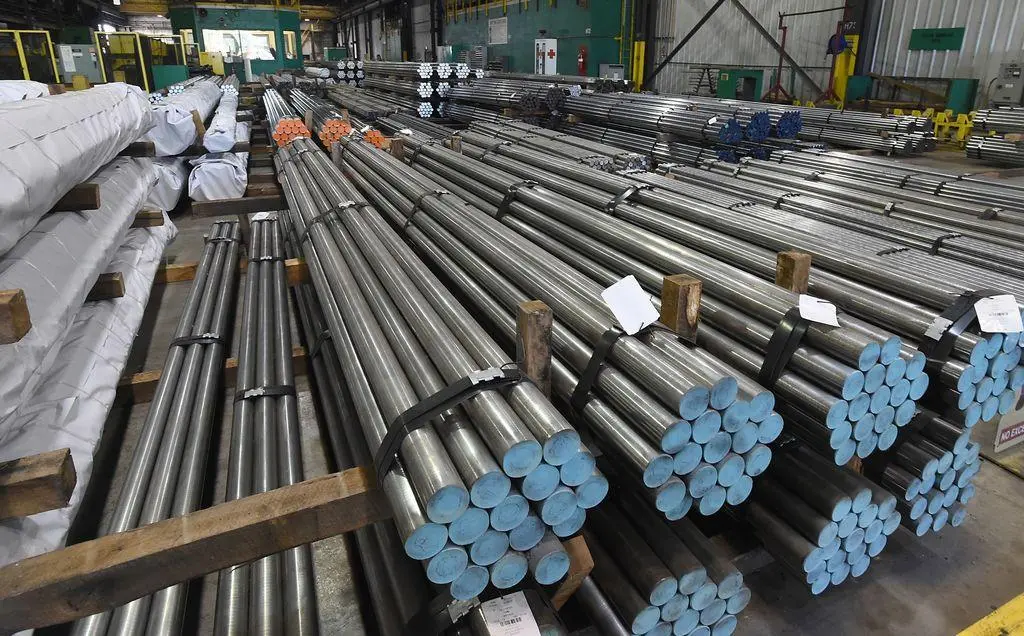
In a late-2025 assessment, it projected rolled steel imports reached 5.7 million tonnes in 2025, the highest in 15 years. The group said the import wave had already eliminated 5,000 jobs.
It estimated investment cuts of R$2.5 billion ($463 million). Aço Brasil put import penetration at 21%, up from a historic 9.7%. It also argued the effective import tariff is only 7.2%.
Separate industry reporting cited Aço Brasil estimates that rolled imports were nearing 28% of domestic sales. Global figures suggest Brazil’s slowdown was not isolated.
The World Steel Association said Brazil produced 2.8 million tonnes in November 2025, up 0.7%. Output for January through November totaled 30.8 million tonnes, down 1.5%.
On social media, industry-focused Instagram posts echoed the same claims, pointing to record imports and alleged tariff loopholes. Looking into 2026, Argus and Fastmarkets reported Aço Brasil projections for higher imports and lower output.
For market-oriented officials, the message is rules that are clear and consistently enforced. For the left’s state-first camp, the risk is blunt controls that raise costs without restoring investment. Steel feeds construction, autos, machinery, and public works, so the stakes extend beyond the mills.
Related coverage: Brazil’s Morning Call | Foreign Trading Drove Brazil’s Stock Volume in 2025 as Local This is part of The Rio Times’ daily coverage of Brazil affairs and Latin American financial news.
This article was produced by The Rio Times’ automated newsroom system. How we use AI · Report an error · Editorial responsibility: Matthias Camenzind, Editor-in-Chief
Read More from The Rio Times