Braskem Downgraded To Distressed Territory As Debt And Cash Losses Mount
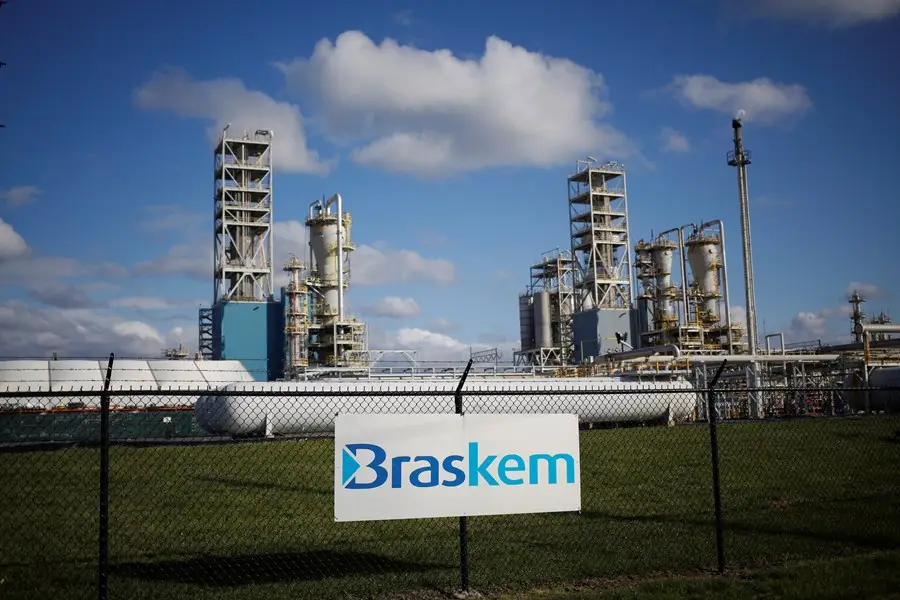
Brazil’s petrochemical giant Braskem has been hit with a sweeping wave of downgrades, the latest from Moody’s, which slashed its credit rating to Caa3 with a negative outlook.
This puts the company in what markets call “deeply distressed” territory—signaling high risk of default. Just days earlier, S&P and Fitch made similar cuts.
The story is not only about numbers. Braskem is Latin America’s largest petrochemical producer, supplying plastics and chemicals that feed into industries from food packaging to construction.
But its financial foundations have cracked under heavy debt, weak global demand, and costly liabilities from environmental damage in Alagoas, where subsidence linked to its mining operations forced mass relocations and billions in provisions.
By mid-2025 the company’s leverage had ballooned to 15 times its earnings capacity, a level that leaves almost no margin for error. In the same period, it burned through nearly R$9 billion ($1.7 billion) in cash.
Moody’s warned that even with efforts to boost efficiency, leverage will likely remain dangerously high—between 11 and 13.5 times—for at least the next year.
Braskem’s Debt Strain Puts Industrial Supply Chain at Risk
Braskem has R$10.3 billion ($1.9 billion) in cash and a modest credit line, enough to cover short-term needs. But larger debt repayments loom later in the decade.
To prepare, management has hired legal and financial advisers, a move often read as laying groundwork for potential restructuring. For Brazil, the implications reach beyond one company. Braskem is a keystone in the industrial supply chain.
If its financial stress deepens, ripple effects could hit manufacturers across the region, raising costs in everyday goods and undermining confidence in a sector already squeezed by global competition.
The downgrade is a warning that the next 12 to 18 months will decide Braskem’s future. Either it stabilizes its cash flow and restores investor trust, or it risks sliding further into restructuring talks that could reshape one of Brazil’s most strategic industrial champions.
Live Company IntelligenceBraskem S.A — the full investor dossier
Valuation & profitability
Price & risk
$3.5252-wk high
$13.78
Revenue trend · 6y
Ownership
Dividend
This article was produced by The Rio Times’ automated newsroom system. How we use AI · Report an error · Editorial responsibility: Matthias Camenzind, Editor-in-Chief
LatAm Markets: Live Signals → — real-time movers, turnover leaders and FX across Latin America.