Bolivia’s $546 Million Steel Plant Begins Operations After 50-Year Wait
Bolivia’s long-awaited Mutún Steel Complex, financed and built with Chinese support, is finally set to begin operations this month after decades of delays. The $546 million facility is located near the Brazilian border in eastern Bolivia.
It represents a major step in the country’s industrialization efforts. Its initial production capacity of 200,000 metric tons of steel per year will meet half of Bolivia’s domestic demand. This will help reduce reliance on imports from Brazil and Peru.
The project’s funding came primarily from China’s Export-Import Bank, with construction and first-year operations managed by the Chinese state-owned company Sinosteel Engineering and Technology.
Officially opening on February 24, the plant will produce rebar and wire mesh valued at approximately $260 million annually. Bolivian officials estimate that the facility will save the country $200 million in import costs each year.
The Mutún Steel Complex will process 66,000 tons of raw material monthly using iron ore from Cerro Mutún, one of the world’s largest iron ore deposits with an estimated 40 billion tons.
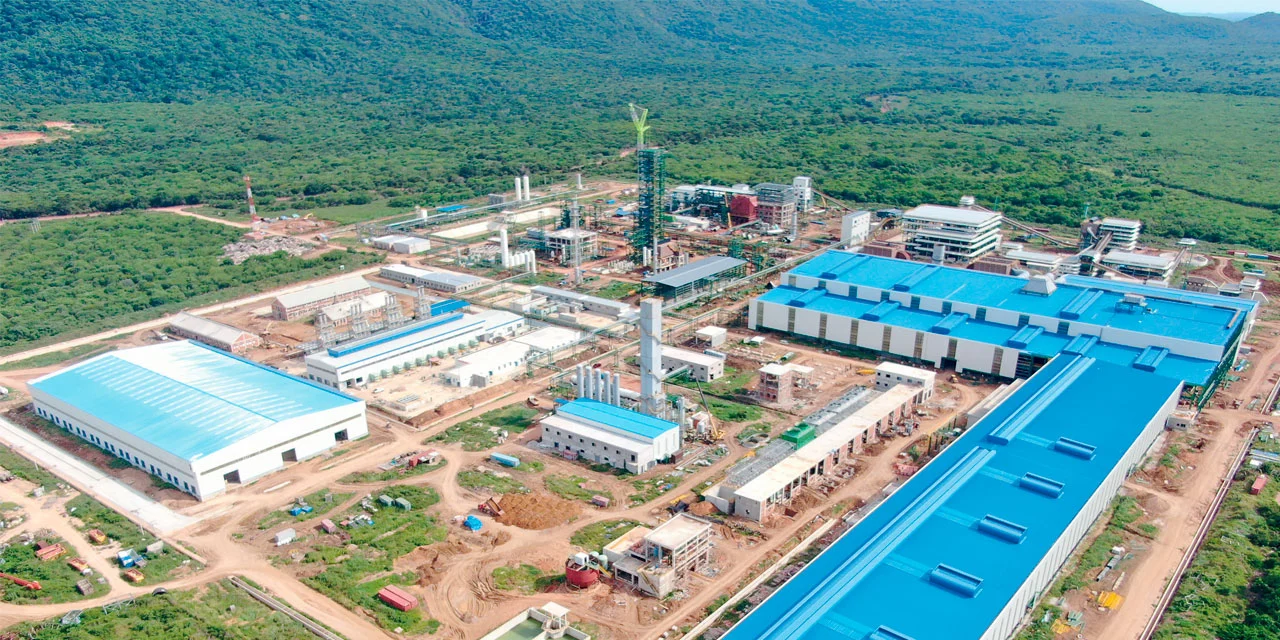
This marks a significant shift for Bolivia, which has struggled to industrialize its natural resources despite possessing vast reserves. Mining Minister Alejandro Santos Laura described the plant as a turning point for Bolivia’s economy, stating that it signals “the start of an industrialization era.”
Bolivia’s Mutún Steel Complex
The project faced numerous setbacks since its proposal over 50 years ago. Initial plans with India’s Jindal Steel & Power collapsed due to disputes over resource allocation and infrastructure.
In 2016, Bolivia partnered with Sinosteel to revive the project. Construction began in 2019 but was delayed by political instability and the COVID-19 pandemic. The plant is expected to create 700 jobs initially, expanding to 1,000 as operations grow.
Officials have also floated plans for a second facility to increase capacity and export surplus steel once domestic needs are fully met. While the project promises economic benefits, it also raises concerns about environmental impacts on the Pantanal wetlands, a biodiverse region near the plant.
Critics worry about water usage and potential pollution from mining activities. The Mutún Steel Complex underscores China’s growing influence in Latin America’s infrastructure projects.
It also offers Bolivia a chance to diversify its economy amid declining gas exports.. Whether this long-delayed venture delivers on its promises remains to be seen.
More: Bolivia news in English, every day from The Rio Times.
This article was produced by The Rio Times’ automated newsroom system. How we use AI · Report an error · Editorial responsibility: Matthias Camenzind, Editor-in-Chief