Argentina Cuts Child Poverty by 1.7 Million Amid Historic Austerity, Defying Expectations
Argentina reduced child poverty by 1.7 million in 2024 despite implementing one of Latin America’s most aggressive fiscal reforms, according to UNICEF and the INDEC statistics bureau.
The national urban poverty rate plummeted from 52.9% to 38.1% in six months, while extreme poverty halved to 8.2%, marking the sharpest decline in decades.
President Javier Milei’s administration achieved this while slashing public spending by 5% of GDP and navigating a 1.7% economic contraction in 2024. Key drivers included targeted welfare programs and inflation control.
The government expanded the Universal Child Allowance (AUH) to cover teens up to age 17 and increased food card coverage, directly aiding vulnerable households.
Monthly inflation dropped from 25.5% to 2.4% by December 2024, stabilizing prices for essentials like food and medicine. Private-sector wages grew 3% above inflation in early 2025, restoring purchasing power after years of decline.
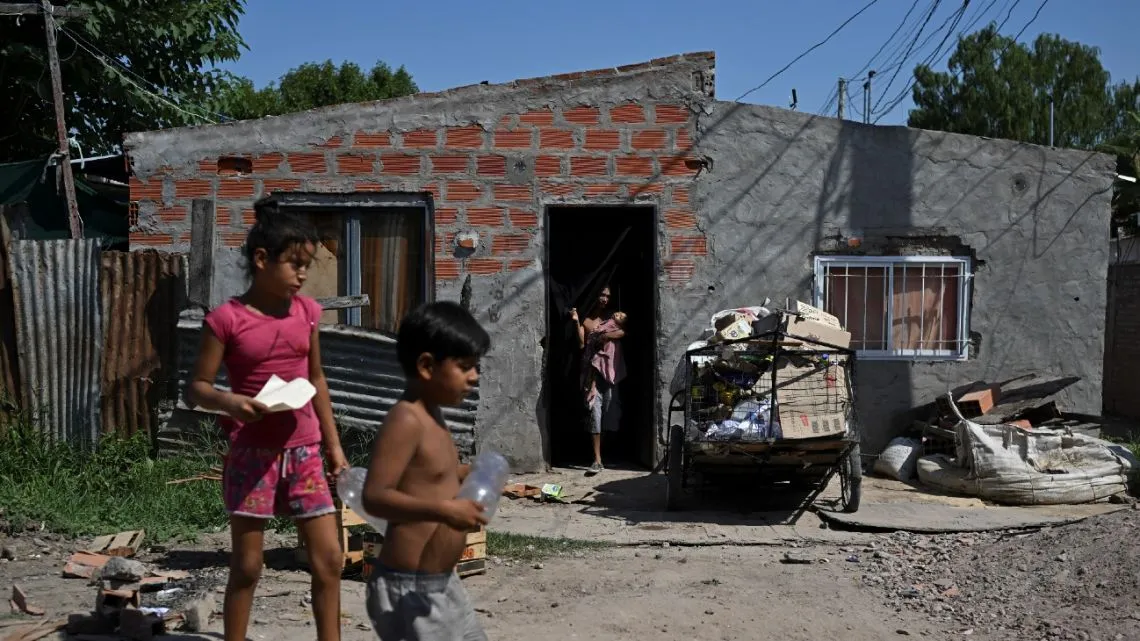
The labor market added 13.6 million jobs, a historic high, though unemployment edged up to 6.4% by late 2024. Critics note 11.5% of children remain in extreme poverty, and the AUH covers only half the cost of a basic food basket for average families.
UNICEF’s Argentina representative called the progress “striking” but urged longer-term solutions to address gaps in healthcare and education access. Milei’s reforms—deregulation, spending cuts, and currency stabilization—yielded Argentina’s first budget surplus in 14 years.
Argentina’s Market-Led Recovery Spurs Growth
The IMF projects 5.5% GDP growth for 2025, fueled by rebounding consumption and investment. This turnaround challenges conventional wisdom that austerity inevitably harms vulnerable populations, showing market-oriented policies can coexist with poverty reduction when paired with precise safety nets.
Businesses are cautiously optimistic. Agricultural exports surged 81% in early 2024, while manufacturing and construction lagged. The peso’s appreciation has dampened tourism but boosted imports of capital goods.
Economists warn sustaining growth requires deeper structural reforms, including modernizing tax systems and attracting foreign investment. Argentina’s experiment offers lessons for nations balancing fiscal discipline and social protection.
While debates continue over whether gains are temporary or lasting, 1.7 million children now face better odds of breaking poverty’s cycle—a tangible outcome in a region long plagued by economic instability.
More: Argentina news in English, every day from The Rio Times.
This article was produced by The Rio Times’ automated newsroom system. How we use AI · Report an error · Editorial responsibility: Matthias Camenzind, Editor-in-Chief
In depth