AfD’s Surge and SPD’s Decline Reshape Germany’s Upcoming Snap Election
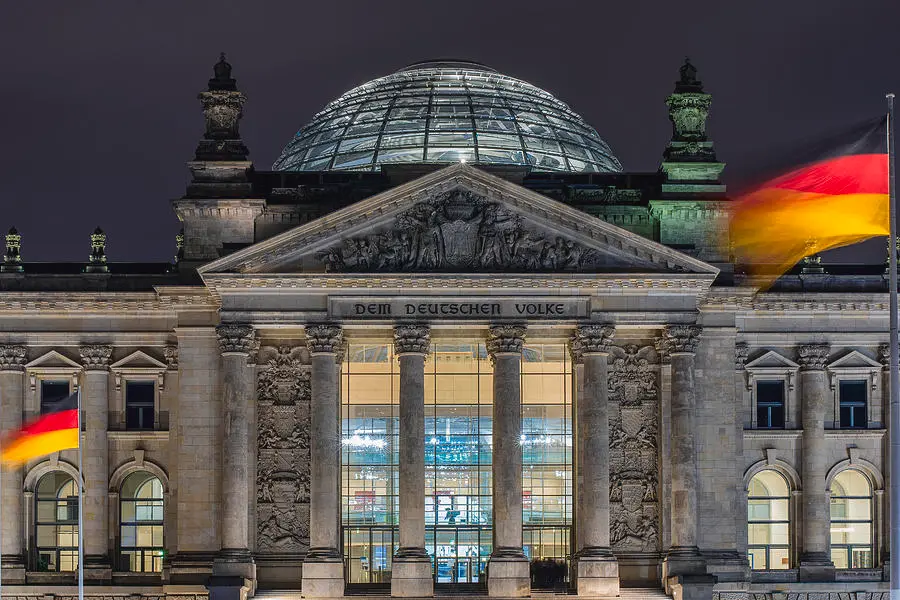
(Analysis) Germany approaches a pivotal moment as snap elections on February 23, 2025, loom, following the collapse of Chancellor Olaf Scholz’s coalition government in late 2024. These elections underscore not only political instability but also mounting economic challenges that have undermined the foundations of Europe’s largest economy.
Long regarded as a global industrial powerhouse, Germany now contends with structural economic decline, energy policy missteps, and demographic shifts that have deepened voter dissatisfaction and reshaped its political landscape.
Chancellor Olaf Scholz’s Social Democratic Party (SPD), once a cornerstone of German politics, is bracing for historic losses, plummeting to polling levels not seen since the 19th century.
Polls show the SPD and its coalition partners trailing behind the conservative Christian Democratic Union (CDU) and the libertarian-conservative Alternative for Germany (AfD), underscoring growing voter dissatisfaction.
Chancellor Scholz initially campaigned as the continuity candidate after Angela Merkel’s long tenure, even mimicking her signature diamond-shaped hand gesture. However, Scholz’s administration has struggled to address mounting crises, including high inflation fueled by the COVID-19 pandemic and the war in Ukraine.
The rise of the AfD reflects deeper frustrations among German voters, particularly over immigration and governance. While dissatisfaction with Angela Merkel’s handling of the 2015 refugee crisis—when over one million asylum seekers entered the country—remains significant, these issues have worsened under Olaf Scholz’s leadership.
Scholz’s government has faced criticism for failing to implement effective immigration controls, further fueling public discontent and amplifying support for the AfD.
Immigration concerns in Germany differ from those in countries like the UK, focusing less on labor migration and more on a perceived lack of border control. The government has admitted it cannot fully account for who resides within its borders, further fueling public frustration.
Efforts to contain or ban the AfD have failed to halt its ascent. Instead, its popularity highlights a broader disaffection with mainstream politics. The party has successfully channeled anger over issues such as immigration and recent Islamist-linked terror attacks in cities like Munich and Aschaffenburg.
AfD’s Surge and SPD’s Decline Reshape Germany’s Upcoming Snap Election
While these incidents have not caused sharp spikes in AfD support, they reinforce existing voter outrage and a sense that traditional parties inadequately address public concerns. The debate over immigration has shifted significantly in recent years, with both the SPD and CDU-CSU attempting to respond to voter anxieties.
However, these efforts appear insufficient to stem the AfD’s momentum, particularly in East Germany, where its support is strongest. Some analysts argue that this regional divide stems from the population’s historical experience with Cold War-era authoritarian regimes, which they believe fosters a greater inclination toward the AfD’s politics.
Others suggest it stems from class dynamics, as East Germany has a higher proportion of working-class residents who are more likely to back nationalist-conservative parties. The AfD even captured the working-class vote nationwide during recent European elections.
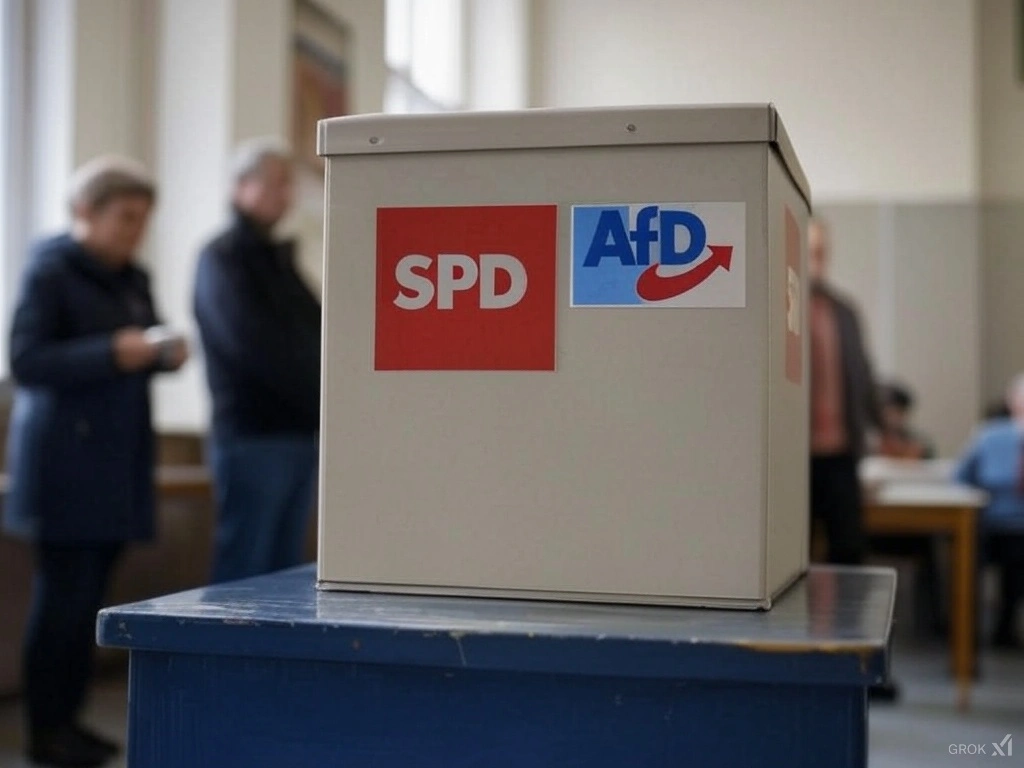
The political landscape also features other challengers to mainstream parties. Sahra Wagenknecht’s newly formed BSW party combines left-wing economic policies with strict immigration stances, appealing to voters disillusioned with traditional options. While BSW performed well in eastern regional elections, its support has waned recently.
Meanwhile, the Green Party has faced setbacks due to controversial energy policies and rising living costs tied to ideological initiatives like heating regulations. Once popular for its environmental focus, the Greens now struggle with accusations of promoting “wokeness” and alienating working-class voters.
The CDU appears poised to regain power under Friedrich Merz’s leadership but faces significant challenges in forming a stable government. Merz has ruled out any coalition with the AfD despite its growing influence.
CDU Might Fail To Deliver Meaningful Reforms
This stance reflects broader concerns about legitimizing libertarian-conservative politics but also risks alienating voters seeking substantive change. Analysts warn that a CDU-led government may fail to deliver meaningful reforms, leaving voters frustrated by what they perceive as limited choices.
JD Vance’s recent critique of Europe’s approach to free speech resonated with many Germans who feel constrained by societal taboos on certain topics. His remarks sparked outrage among journalists and intellectuals but found support among ordinary citizens who share concerns about restrictions on public discourse.
J.D. Vance Calls Out Europe’s Retreat from Democratic Values on Global Stage
This sentiment echoes East Germany’s history of state control over language and expression, further fueling anger among some voters. Germany’s political turmoil mirrors broader trends across Europe and beyond, where libertarian-conservative movements gain traction amid widespread dissatisfaction with establishment parties.
The upcoming elections serve as a litmus test for how deeply these currents run within German society. While some view AfD support as a protest vote rather than an endorsement of its policies, others see it as a symptom of deeper systemic failures.
As Germany prepares for these critical elections, many voters express uncertainty about how to achieve genuine change. The current political climate reflects not only disillusionment with traditional parties but also a growing demand for solutions that address pressing issues like immigration control, economic stability, and social cohesion.
Whether this election marks a turning point or deepens existing divides remains uncertain—but its outcome will undoubtedly shape Germany’s future trajectory at home and abroad.
Editorial responsibility: Matthias Camenzind, Editor-in-Chief · Editorial standards · Report an error