A Spirit of Transformation: Understanding the Holy Spirit’s Gifts and Fruits
Throughout Christian history, believers have looked to the Holy Spirit—the third person of the Trinity—for inspiration, guidance, and transformative power.
From the miraculous events of Pentecost, when frightened disciples suddenly found the courage to proclaim the Gospel to every nation, to modern-day worship services worldwide, Christians continue to celebrate the Spirit’s role in renewing hearts and building up the faithful.
Central to this understanding are the “gifts” and “fruits” of the Holy Spirit—concepts deeply rooted in Scripture and profoundly relevant to contemporary life.
Ancient Roots and Biblical Foundation
The seven gifts of the Holy Spirit, listed in **Isaiah 11:2–3**, trace back to a prophetic description of the Messiah—one anointed by God to rule with justice and righteousness.
In Christian tradition, these gifts are bestowed upon believers to help them fulfill their vocation as followers of Christ and bear witness to the Gospel. They include:
1. Wisdom – The ability to view life from God’s perspective, recognizing the deeper meaning behind everyday events.
2. Understanding – A deeper comprehension of divine mysteries, enabling believers to grasp the core truths of the faith.
3. Counsel – Sometimes called “right judgment,” this gift offers practical guidance for moral decisions, steering believers in ways that honor God.
4. Fortitude – Often translated as “courage,” fortitude empowers Christians to stand firm under pressure and persevere in faith.
5. Knowledge – Not merely intellectual skill, but an awareness of God’s presence and purpose in the world.
6. Piety – A heartfelt devotion that fosters a loving, reverent relationship with God.
7. Fear of the Lord – Also rendered as “wonder and awe,” it encourages humility and recognition of the majesty and holiness of God.
The early Church recognized that these gifts promote both personal growth and communal edification. They saw them as God’s means of equipping the faithful for service in diverse ministries—teaching, leadership, charity, and more.
Visible Signs of Growth: The Fruits of the Spirit
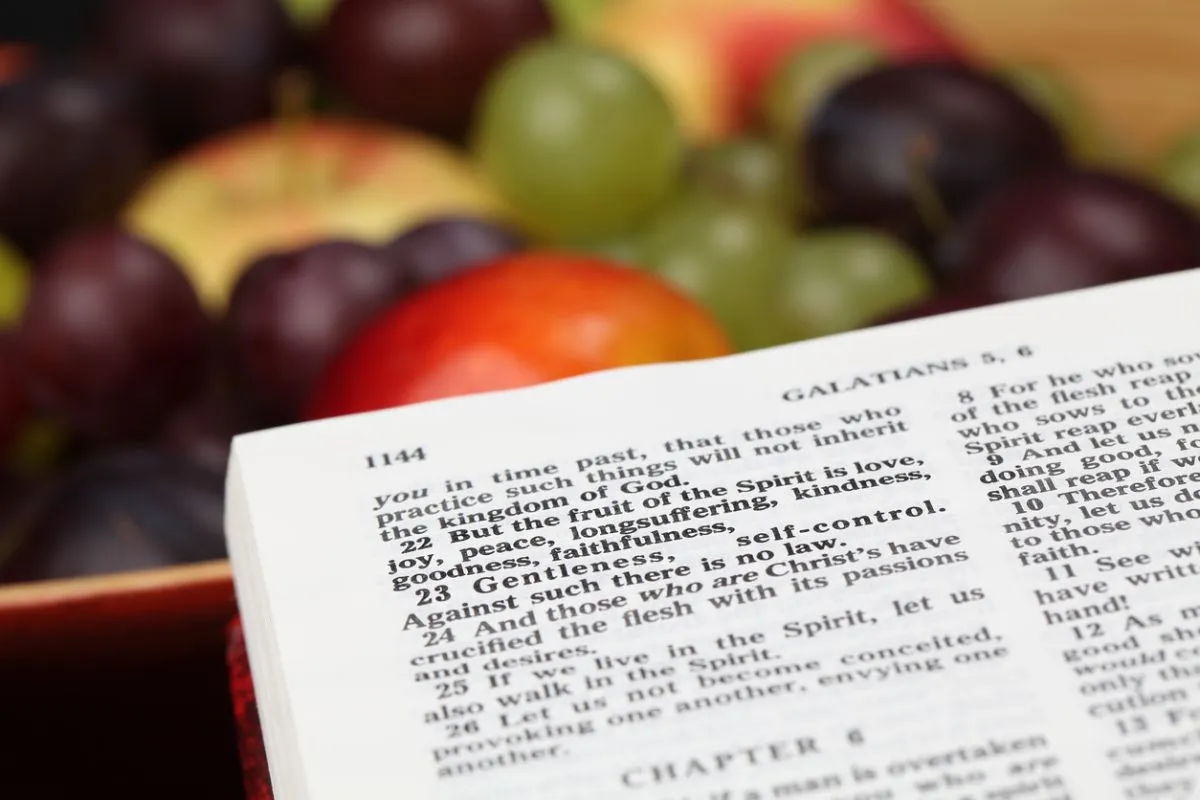
Whereas the gifts often pertain to specific roles and responsibilities within the Church, the fruits of the Holy Spirit relate to the moral character that blossoms when the Spirit is active in a believer’s life. In Galatians 5:22–23, St. Paul names nine such fruits: love, joy, peace, patience, kindness, goodness, faithfulness, gentleness, and self-control.
These virtues serve as a spiritual “report card” of sorts, revealing how profoundly God’s presence has taken root in a person’s heart. When individuals find themselves consistently acting with compassion and restraint, even in trying circumstances, they reflect the Spirit’s transformative power.
While the fruits are often viewed as evidence of personal holiness, they also create a ripple effect. This fosters harmony and unity within families, congregations, and broader communities.
Relevance for the Modern Christian
In an era marked by rapid change and widespread anxiety, the Holy Spirit’s gifts and fruits offer a counterbalance. They provide wisdom, courage, and love.
They remind Christians that faith is not a static checklist of beliefs but a dynamic relationship with God. This relationship reshapes attitudes, relationships, and life choices.
The Spirit’s gifts address real-world dilemmas: ethical quandaries in the workplace, challenges in family life, and the need for moral courage in public discourse. The fruits, meanwhile, point to the transformation that occurs when believers choose mercy over judgment and kindness over self-interest.
Moreover, denominations across Christianity—from Roman Catholic to Eastern Orthodox to Protestant—share a reverence for these gifts and fruits, underscoring their ecumenical significance.
In interfaith and secular contexts, they can open dialogues about spirituality, character formation, and moral responsibility. This offers a framework that resonates with the universal quest for love and peace.
A Lifelong Invitation
Ultimately, the Holy Spirit’s gifts and fruits speak to the heart of Christian identity. They shine a light on believers’ call to serve selflessly, love generously, and cultivate virtue daily.
Whether one is taking first steps in faith or has journeyed with Christ for decades, the Holy Spirit continually invites deeper transformation. He pours out grace for personal renewal and collective witness.
From the Pentecost gathering in Jerusalem to modern cathedrals and humble house churches alike, the Spirit’s power transcends time and place, shaping individuals into carriers of hope.
In a world longing for direction and healing, these gifts and fruits remain ever-relevant. They testify that, through God’s Spirit, ordinary lives can be touched by extraordinary grace.
Read More from The Rio Times