Uruguay’s Inflation Edges Up to 5.1% as Central Bank Tightens Policy
According to data released by Uruguay’s National Statistics Institute (INE), the country’s annual inflation rate reached 5.1% in February 2025.
The figure marks a slight increase from January’s 5.05% rate while remaining within the Central Bank’s target range for the 21st consecutive month. February’s monthly inflation registered 0.69%, a notable slowdown from January’s 1.1% increase.
Housing and utilities led the monthly price surge with costs jumping 4.43%, significantly higher than January’s 1.92% rise. Electricity costs played a major role, with supply expenses increasing by 8.6% during the month.
The price growth for food and non-alcoholic beverages decelerated to 3.86% from January’s 4.27%. Transportation costs also eased to 7.07% from 7.73% previously.
Meanwhile, clothing and footwear continued to show deflation, though at a reduced rate of -1.88% compared to January’s -2.66%. Uruguay’s Central Bank responded to these inflation pressures with a 25-basis-point interest rate hike in February.
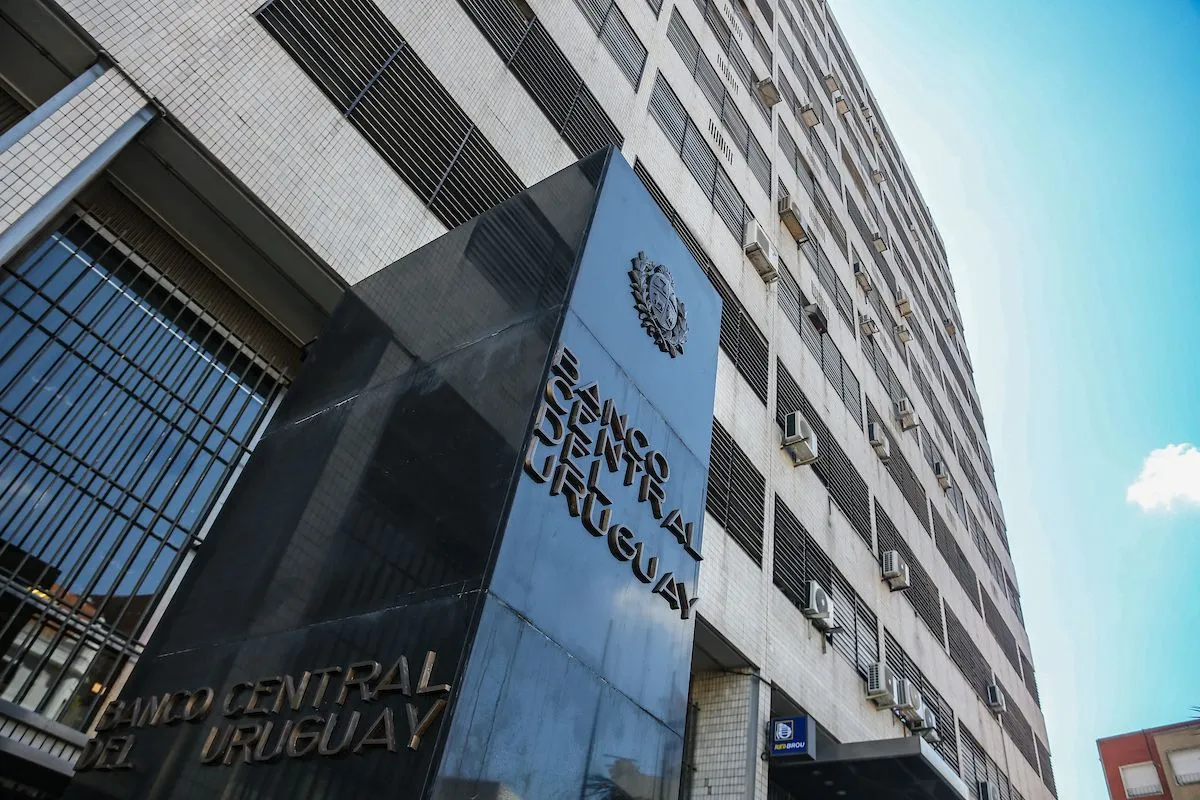
This moved the benchmark rate to 9.0%, marking the second consecutive increase. The decision came as core inflation breached the target band’s upper limit of 6% for the first time since April 2023.
Uruguay’s Economic Transition Amid Inflationary Pressure
The inflation data arrives during an important economic and political transition period. The country saw 4.1% GDP growth in the third quarter of 2024, rebounding from drought effects that hampered agriculture and energy production.
Yamandú Orsi from the Frente Amplio party took office on March 1, replacing Luis Lacalle Pou as president. Economic forecasts from BBVA Research project Uruguay’s economy will grow 2.7% in 2025.
Inflation is expected to moderate to 5.0% by year-end. This comes as the agricultural sector recovers and private consumption increases alongside real wage growth.
Analysts expect inflation to accelerate during the second and third quarters of 2025 before easing. This outlook suggests the Central Bank may maintain its relatively tight monetary stance in upcoming policy meetings to ensure inflation converges toward its 4.5% midpoint target.
More: Latin America news in English, every day from The Rio Times.
This article was produced by The Rio Times’ automated newsroom system. How we use AI · Report an error
Read More from The Rio Times