Trump’s Deal Offer to Cuba: A Lifeline After the Oil Squeeze
Key Points
- Trump offered Cuba a diplomatic escape route Saturday after cutting off the island’s oil supply through Venezuela and Mexico, leaving reserves for just two weeks
- The crisis stems from America’s January capture of Venezuelan strongman Maduro, who had kept Cuba’s lights on for years in exchange for security services
- Havana’s communist leadership now faces an impossible choice: negotiate with Washington for the first time in generations or watch the island plunge into darkness
For the first time in over six decades, Cuba’s revolutionary government may have no choice but to deal with Washington on American terms.
President Donald Trump dangled that possibility Saturday while flying to Florida, suggesting he could “reach an agreement” with Havana just days after squeezing off the island’s petroleum lifeline.
The timing reveals Trump’s calculation. Cuba imports virtually all its oil, and Trump has systematically shut down every tap.
Venezuela, which supplied one-third of Cuba’s daily needs, stopped shipments after US forces captured President Nicolás Maduro on January 3 in a dramatic nighttime raid on Caracas.
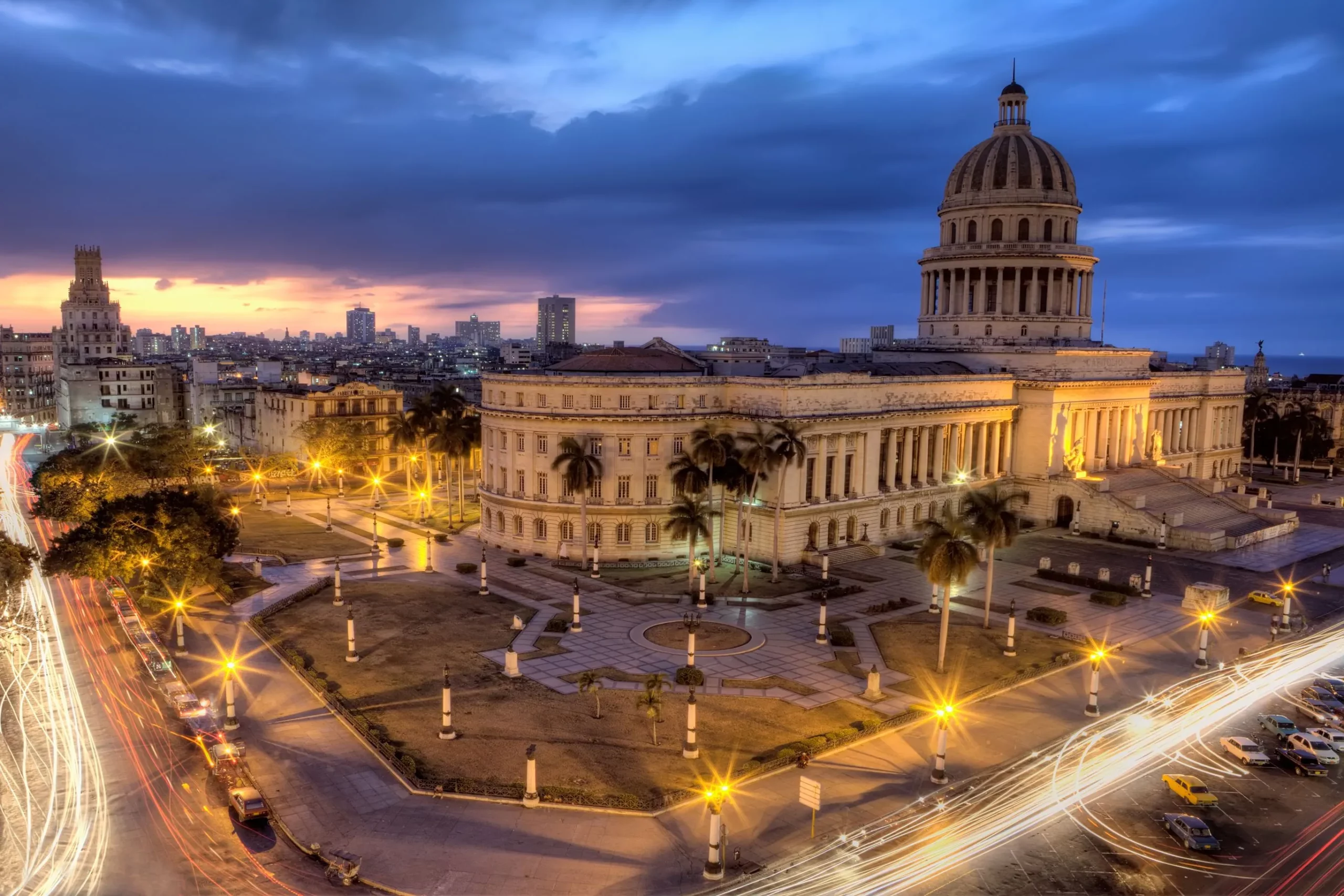
Trump’s Deal Offer to Cuba: A Lifeline After the Oil Squeeze
Mexico, previously providing 44 percent of Cuban oil, suspended deliveries under threat of American tariffs. Energy analysts estimate Cuba now has between 15 and 20 days of reserves remaining.
“They lived off Venezuela’s money and oil, and none of that is arriving now,” Trump told reporters aboard Air Force One. “It doesn’t have to be a humanitarian crisis.”
The comment carries weight because Cuba’s electrical grid has already begun failing. Nationwide blackouts plague hospitals, water pumping stations, and homes across the island of 11 million people.
Without fuel, the economy grinds toward complete collapse. Cuba’s arrangement with Venezuela had sustained both regimes for years.
Havana sent security personnel to protect Maduro—32 Cuban operatives died in the American raid—while Caracas shipped oil and cash to keep Cuba’s communist system afloat.
Trump’s Venezuela operation severed that decades-old partnership in a single night.
Cuban President Miguel Díaz-Canel initially responded with revolutionary defiance, insisting Cuba remains “a free and sovereign nation” that takes orders from no one.
But Trump’s January 29 executive order raised the stakes dramatically, threatening tariffs on any country selling oil to Cuba and labeling Havana a threat to American security for supporting Russia, China, and Iran.
The pressure campaign resurrects American dominance in the Western Hemisphere without firing a shot at Cuban soil.
Trump wields oil as a weapon more effectively than any military option, betting that darkness and desperation will accomplish what sanctions alone never could: bringing Cuba’s aging revolutionaries to the bargaining table.
Related coverage: Brazil’s Morning Call | São Paulo Art Biennial Breaks Records While Running on Gover This is part of The Rio Times’ daily coverage of Cuba affairs and Latin American financial news.
This article was produced by The Rio Times’ automated newsroom system. How we use AI · Report an error · Editorial responsibility: Matthias Camenzind, Editor-in-Chief
Read More from The Rio Times