Trump Unveils $44 Billion Alaska LNG Pipeline Backed by Japan and South Korea Investments
On Tuesday, U.S. President Donald Trump revealed Japan and South Korea’s willingness to invest “trillions of dollars” in the ambitious $44 billion Alaska LNG pipeline project during his congressional address.
The initiative aims to transport natural gas from Alaska’s Arctic North Slope through an 800-mile pipeline to a liquefaction facility in Nikiski, enabling exports to Asian markets.
Trump emphasized the pipeline’s scale, calling it one of the largest globally. He noted that Japan, South Korea, and other nations are eager to collaborate as partners, each committing substantial investments.
This marks a significant shift for the long-delayed project, which has struggled with high costs and logistical challenges. South Korea’s Minister of Industry, Ahn Duk-geun, disclosed that Seoul and Washington agreed to form a working group.
The group will address energy cooperation, tariffs, shipbuilding, and non-tariff barriers. Ahn’s recent visit to Washington also sought exemptions from Trump-era tariffs that threaten South Korea’s export-driven economy.
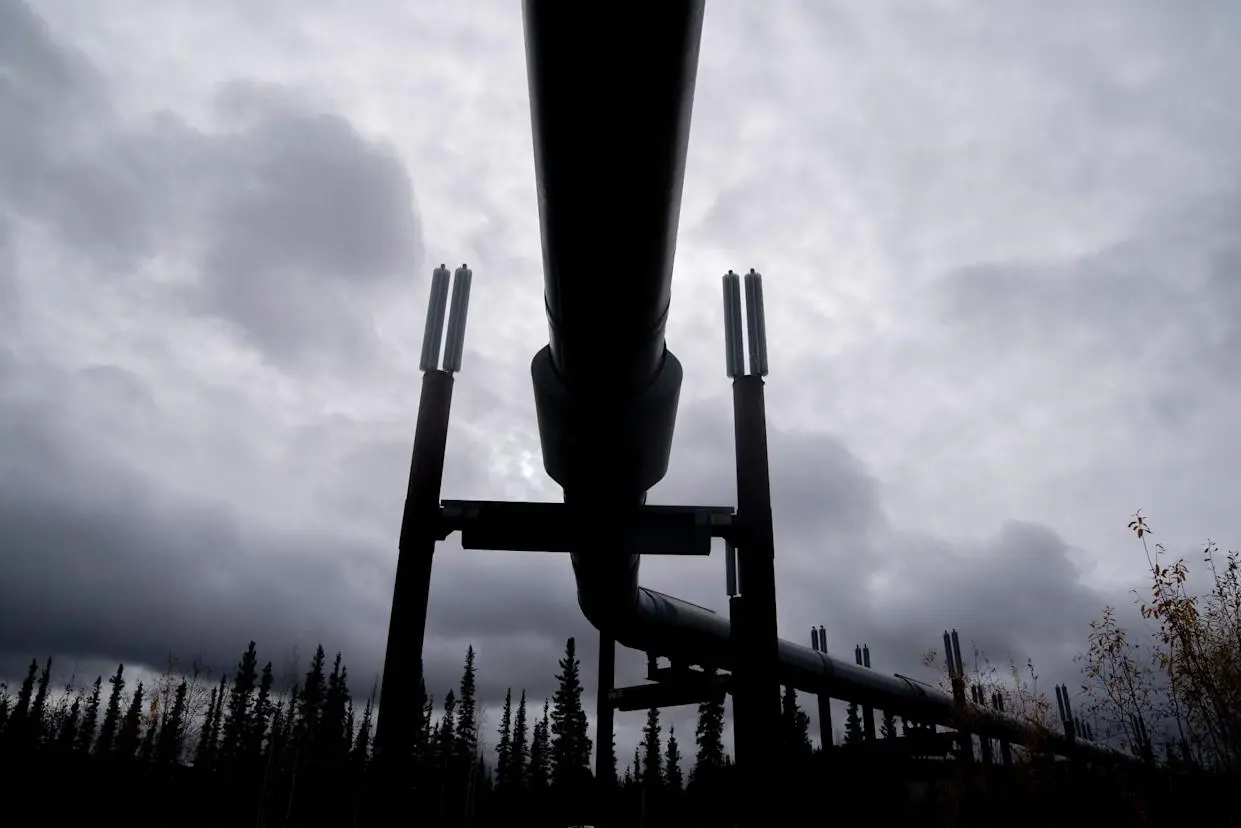
Yonhap News Agency reported South Korea’s expressed interest in joining the Alaska LNG venture alongside Japan and the U.S. The pipeline project promises economic benefits for Alaska, including job creation and enhanced state revenues.
Doug Burgum, co-chair of the White House National Energy Dominance Council, stated that the pipeline would allow the U.S. to supply energy to allies while generating funds for the U.S. Treasury.
The Alaska LNG Project
The infrastructure would transport up to 3.3 billion cubic feet of natural gas daily, providing affordable energy for Alaskans and boosting industrial development statewide. Japan’s interest stems from its strategy to diversify LNG imports amid geopolitical tensions following Russia’s invasion of Ukraine.
As the world’s largest LNG importer, Japan seeks alternatives to Russian and Middle Eastern sources. Similarly, South Korea has reduced Russian LNG imports and diversified suppliers, including Malaysia and Oman.
Despite these promising developments, doubts persist about the project’s profitability due to competition from cheaper LNG sources like Qatar and Australia. Japanese officials have yet to confirm their participation but are exploring possibilities.
Meanwhile, Japan’s trade minister plans a visit to Washington this month to negotiate tariff exemptions and discuss increased purchases of U.S. LNG. The Alaska LNG project represents more than an economic opportunity.
It is a geopolitical tool for strengthening U.S.-Asia alliances while countering Russian influence in global energy markets. However, securing investment remains critical for realizing its potential impact on energy security and trade relations.
This article was produced by The Rio Times’ automated newsroom system. How we use AI · Report an error
Read More from The Rio Times