Spain Launches Sovereign Fund With €13.3 Billion to Replace EU Money
Spain · Sovereign Fund
Key Facts
—Spain activated its sovereign wealth fund Tuesday with €13.3 billion ($15.5 billion) in initial funding. The fund, called “España Crece” or “Spain Grows,” was approved by the cabinet at its weekly meeting. The injection includes €10.5 billion in loans and €2.8 billion in non-repayable grants, all drawn from EU Next Generation funds.
—The target is €120 billion in mobilized productive investment. The mechanism uses leverage through loans, guarantees and capital instruments to attract private capital alongside the public anchor. Strategic sectors include affordable rental housing, green transition, technological innovation, AI, reindustrialization, and infrastructure.
—The fund extends the EU NextGenerationEU stimulus. Spain has received approximately €160 billion under the EU recovery package and was one of the largest recipients. The Recovery and Resilience Facility ends December 31, 2026 — creating a funding gap that Spain Grows is designed to bridge.
—The Instituto de Crédito Oficial (ICO) will manage the fund. Spain’s state development bank is being structurally strengthened to act as a full national promotional bank. The ICO is expected to mobilize €60 billion directly, with private sector contributing the remaining half toward the €120 billion target.
—Spain renounced €66 billion in additional EU loans in December. The government cited favourable capital market access as justification. European Commission officials suggested the decision also reflected slow implementation of required reforms — a point of contention with Brussels.
—Implementation timeline is set against the EU disbursement deadline. Under RRF rules, member states must complete funded reforms and investments within the programme’s timetable. The Commission must make disbursements by December 31, 2026. The Spain Grows mechanism must launch before that deadline to capture the remaining EU resources.
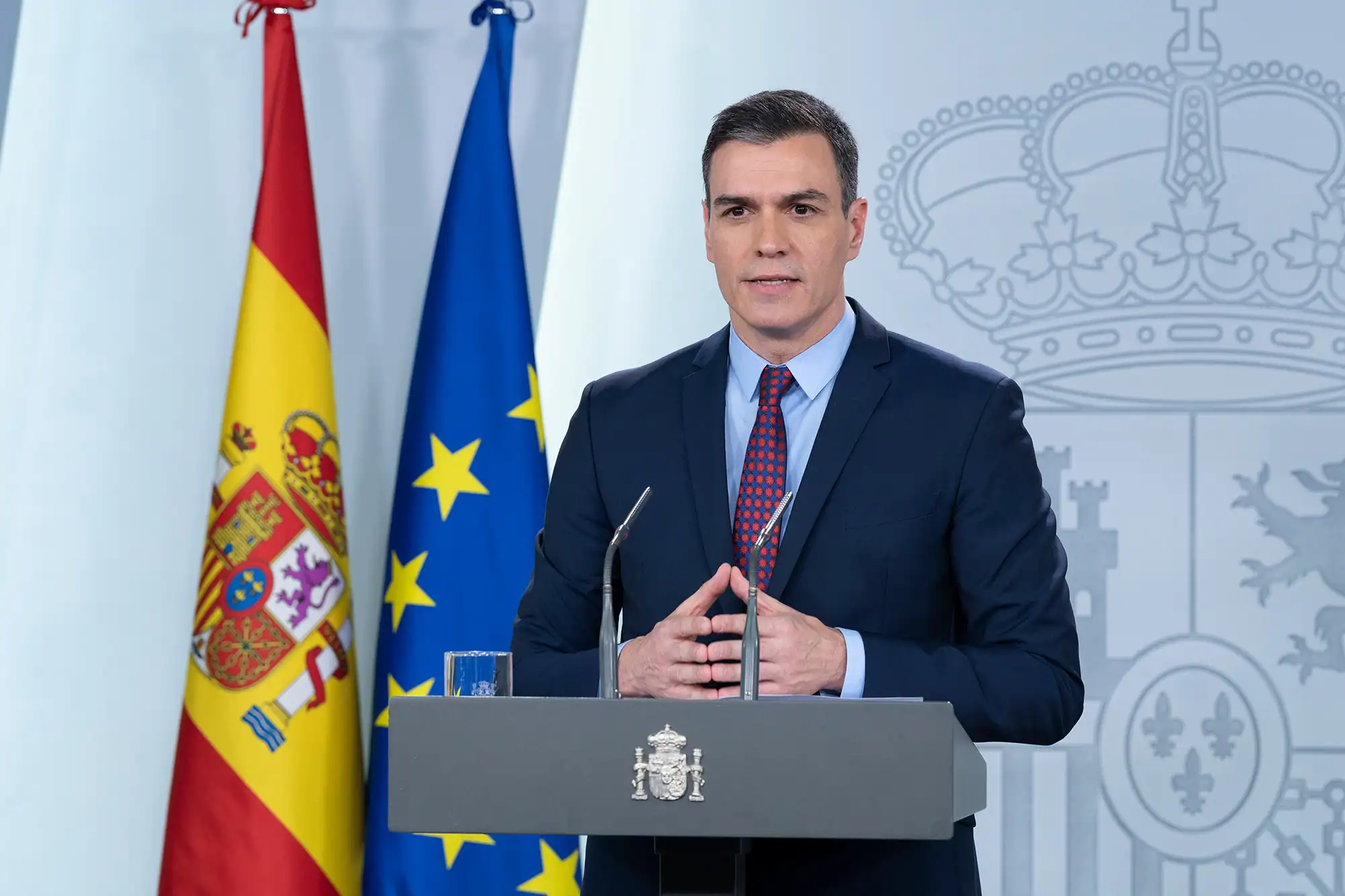
Spain activated its long-promised sovereign wealth fund Tuesday with €13.3 billion in initial funding — the largest single capital deployment Spain has executed outside the EU recovery framework in years. The “España Crece” or “Spain Grows” mechanism aims to mobilize €120 billion in total productive investment through public-private leverage, replacing the stimulus from the EU NextGenerationEU recovery package that expires at the end of 2026. The Instituto de Crédito Oficial will manage the fund. Priority sectors include housing, green transition, technological innovation, AI, and infrastructure. For Latin American investors, the announcement matters because Spain remains a critical bridge between European capital and Iberoamerican markets — every euro deployed through Spain Grows in renewable energy or AI affects the regional investment climate, and Spanish corporates have major LATAM operations.
What was just announced?
The Rio Times, the Latin American financial news outlet, reports that Spain’s cabinet approved the activation of the España Crece sovereign wealth fund at its weekly meeting Tuesday. The initial injection totals €13.3 billion — approximately $15.5 billion — consisting of €10.5 billion in loans and €2.8 billion in non-repayable grants, all drawn from EU Next Generation funds. The fund’s full operational structure, including governance and investment criteria, will be detailed in subsequent regulatory publications. The announcement follows Prime Minister Pedro Sánchez’s January 15 declaration of the fund’s creation at the Spain Investors Day forum, which laid out the strategic framework. Tuesday’s activation represents the operational launch — the moment when the institutional vehicle moves from policy concept to investable mechanism.
Why is Spain creating this fund now?
The driver is the December 31, 2026 expiration of the EU’s NextGenerationEU recovery package. Spain has been one of the largest recipients of EU pandemic recovery funds, with an allocation of approximately €160 billion split roughly evenly between grants and loans. The Sánchez government has used the recovery framework to finance projects across the energy transition, digitisation and industrial policy. The Recovery and Resilience Facility ends December 31 of this year. The European Commission has acknowledged that the conclusion of the RRF will create a funding gap, with other EU funds expected to contribute more in 2027 but not on the same scale as the recovery instrument. The Spain Grows fund is designed to bridge that gap — extending the reformist and investment drive past the EU funding cliff.
How does the €120 billion leverage work?
The mechanism uses the €13.3 billion in public anchor capital to attract approximately €100 billion in additional private investment, reaching the €120 billion total target. The Instituto de Crédito Oficial — Spain’s state development bank — will mobilize about €60 billion directly through loans, guarantees and capital instruments. Private sector investors are expected to contribute the remaining half of the leverage ratio. The model is similar to the European Investment Bank’s leverage approach and to the multilateral development bank framework that the EU has used to amplify NextGenerationEU resources. The public capital absorbs first-loss risk in select projects, making the risk-reward profile attractive enough for institutional pension funds, sovereign wealth co-investors and major banks to participate. The mechanism is structured for a long-duration investment horizon rather than short-term commercial returns.
What sectors does it prioritize?
The fund’s priority sectors directly reflect Spain’s broader industrial policy agenda. Affordable rental housing tops the list — addressing the housing crisis that has become politically salient in Madrid, Barcelona and other major Spanish cities. Green transition includes renewable-energy generation expansion, grid modernization, and storage infrastructure. Technological innovation covers AI development, semiconductor manufacturing and broader digital infrastructure. Reindustrialization aims to rebuild domestic manufacturing capacity in strategic sectors. The list also includes circular economy projects, water and sanitation infrastructure, and national security investments. The breadth reflects the fund’s ambition to support the full economic transformation rather than picking specific winners. Critics argue this breadth dilutes execution quality; supporters argue it gives Spain flexibility to deploy capital where opportunities emerge.
What does this mean for Latin America?
The direct implications are limited — Spain Grows invests within Spain, not in Iberoamerica. The indirect implications are significant through three channels. First, Spanish corporates with major Latin American operations — Telefónica, Iberdrola, Banco Santander, BBVA, Repsol, and others — operate as bridges between Spanish institutional capital and Latin American projects. Stronger Spanish corporates with deeper balance sheets translate into more capital available for LATAM expansion. Second, the renewable-energy build-out in Spain creates demand for Latin American green hydrogen, lithium, and copper — directly relevant for Brazilian, Chilean, Argentine and Mexican producers. Third, the Spain Investors Day platform that Pedro Sánchez used to announce the fund includes a substantial Iberoamerican track. The platform’s investor base includes pension funds and sovereign wealth funds that allocate to both Spain and Latin America.
What should investors and analysts watch next?
- The first set of fund deployments: the operational launch announcements over the next 60-90 days will reveal whether the €120 billion mobilization target is realistic.
- European Commission monitoring: the EC has indicated it will track Spain Grows governance and impact alongside RRF disbursement progress.
- Spanish corporate participation: Iberdrola, Telefónica and Repsol announcements about Spain Grows co-investment partnerships will indicate the depth of private capital response.
- ICO institutional strengthening: the state development bank’s full transformation into a national promotional bank will affect Spain’s broader public-investment architecture.
- Iberoamerican spillovers: Spanish corporate balance-sheet improvement should translate into expanded LATAM operations and investment commitments over 2026-2027.
Frequently Asked Questions
How does Spain Grows compare to other sovereign wealth funds?
Spain Grows is structurally different from traditional sovereign wealth funds like Norway’s GPFG ($1.7 trillion) or Saudi Arabia’s PIF ($925 billion). Those funds are pure investment vehicles deploying state savings into global financial markets. Spain Grows is a domestic productive-investment vehicle using leverage to mobilize private capital into strategic Spanish sectors. The model is closer to KfW (Germany’s state development bank) or BPI France’s investment arm than to traditional sovereign wealth funds. The €13.3 billion initial capital is smaller than the major sovereign wealth funds but leveraged to reach €120 billion in total mobilization through public-private partnership.
What is the political context?
Spanish Prime Minister Pedro Sánchez leads a fragile coalition government. The Spain Grows announcement positions the government on the side of long-term economic investment ahead of expected political pressure later in 2026. Sánchez’s PSOE party has used the fund as a signal of national sovereignty and economic transformation commitment. Opposition parties have criticized the structure as a way for the government to extend control over private investment decisions. The fund’s success or failure will affect both the political narrative and the economic trajectory.
How does Spain’s housing crisis factor in?
Affordable rental housing is the first priority sector for a reason. Spanish housing affordability has deteriorated significantly, with Madrid and Barcelona seeing rental costs rise faster than incomes. The crisis has become politically salient, with protests and demonstrations in major cities. Spain Grows’ housing investment is designed to add supply rather than redistribute existing stock — addressing the structural deficit through construction of affordable rental units. The mechanism may invite institutional pension funds into Spanish residential real estate at scale, potentially transforming the housing market over the next decade.
Why did Spain renounce €66 billion in EU loans?
The official justification was favourable capital market access — Spain can raise funds independently at competitive rates without needing additional EU loan facilities. The European Commission’s perspective was that Spain had failed to implement some required reforms, making the additional loans difficult to absorb effectively. The reality is likely both factors. The decision frees Spain from some EU reform conditionality but also reduces the financing options available for ongoing investment programmes — making Spain Grows more important as a substitute mechanism.
What about Iberoamerican investment integration?
Spain Grows does not directly invest in Latin America. But Spanish corporates that benefit from the fund — Iberdrola, Telefónica, Banco Santander, BBVA, Repsol — have substantial Latin American operations. Stronger balance sheets for these companies translate to expanded LATAM capacity. The Spain Investors Day platform that Sánchez used to launch the announcement explicitly courts Iberoamerican investor participation, positioning Spain as a bridge between European institutional capital and Latin American projects. The integration is structural rather than direct.
Connected Coverage
The OECD framework on central bank rate trap that affects European capital flows is in our OECD readout. The US Treasury 30-year yield surge affecting global capital allocation is in our Treasury readout. The family-office capital allocation pattern affected by European policy shifts is in our family-office readout. The Brazilian fiscal position context is in our SPE arrecadação readout.
Reported by Sofia Gabriela Martinez for The Rio Times — Latin American financial news. Filed May 19, 2026 — 15:00 BRT.
Read More from The Rio Times