South American Soybean Expansion Pressures Global Prices
The soybean market is experiencing significant shifts as South American producers gear up for expansion. Brazil and Argentina, the world’s leading soybean producers, are set to increase their acreage for the 2024–25 season.
This growth comes despite challenges in profit margins and global market uncertainties. Brazil’s soybean acreage is projected to grow by 2.8%, reaching 117 million acres.
This marks the slowest growth in a decade for the country. The National Supply Company (Conab) forecasts a record crop of 6,101 million bushels.
This represents a 13% increase over the previous harvest, which suffered from drought in central-western states. Argentine farmers plan to expand their soybean plantings by 7%.
This will bring their total acreage to 44 million acres. Concerns over corn stunt disease affecting maize crops partly drive the move.
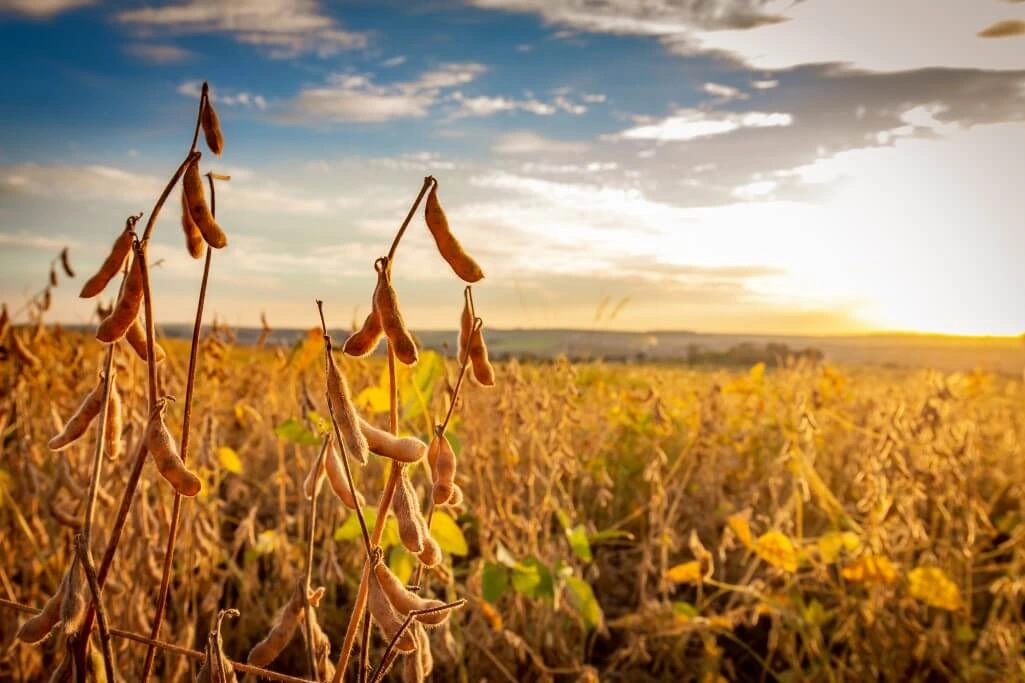
Argentina’s 2024-25 soybean crop should reach 1,911 million bushels, slightly exceeding the previous harvest. These expansions in South America are likely to impact global soybean prices.
The United States Department of Agriculture (USDA) predicts record global production of 15,736 million bushels. South America alone will contribute 8,745 million bushels to this total.
The surge in supply is expected to put downward pressure on soybean prices. Global soybean stocks are expected to hit an all-time high in 2024–25.
The USDA estimates an increase of nearly 808 million bushels compared to the previous year. In Brazil, recent rains have allowed farmers to progress with soybean planting.
As of October 20, farmers had planted 18% of the expected crop. This is 11 percentage points behind the same period last year. Mato Grosso, Brazil’s top grain-producing state, is experiencing slower planting progress than usual.
Brazilian Soybean Exports
The forecast for Brazilian soybean exports in the 2024–25 season predicts they will reach 3.748 million bushels. This surpasses the previous season’s estimate of 3,638 million bushels.
A favorable exchange rate is contributing to the competitiveness of Brazilian soybeans in international markets. The market expects the Brazilian real to trade around R$5.5 to USD $1 in 2025.
In addition, this weaker currency makes Brazilian agricultural commodities highly competitive globally. It also presents challenges for domestic farmers dealing with increased input costs.
In the domestic Brazilian market, soybean prices have shown resilience. On October 28, 2024, the price per 60-kg sack reached R$ 143.09 ($25.55).
This represents a 2% increase since October 8, when it traded at R$ 140.24 ($25.04). The Center for Advanced Studies in Applied Economics (Cepea) reported a slight decline of 0.50% on October 28.
However, prices remain elevated compared to earlier in the month. Strong demand from crushing industries has supported domestic prices. As the global soybean market adapts to these changes, farmers and traders must remain vigilant.
The interplay between increased production and global demand will shape market dynamics in the coming months. Stakeholders should closely monitor weather patterns, economic indicators, and trade policies.
More: Brazil news in English, every day from The Rio Times.
This article was produced by The Rio Times’ automated newsroom system. How we use AI · Report an error · Editorial responsibility: Matthias Camenzind, Editor-in-Chief