Rio Carnival Boosts Tourism with 12% Growth in International Visitors
This year’s Rio de Janeiro Carnival saw a 12% rise in international tourists compared to 2024, according to Marcelo Freixo, president of Embratur.
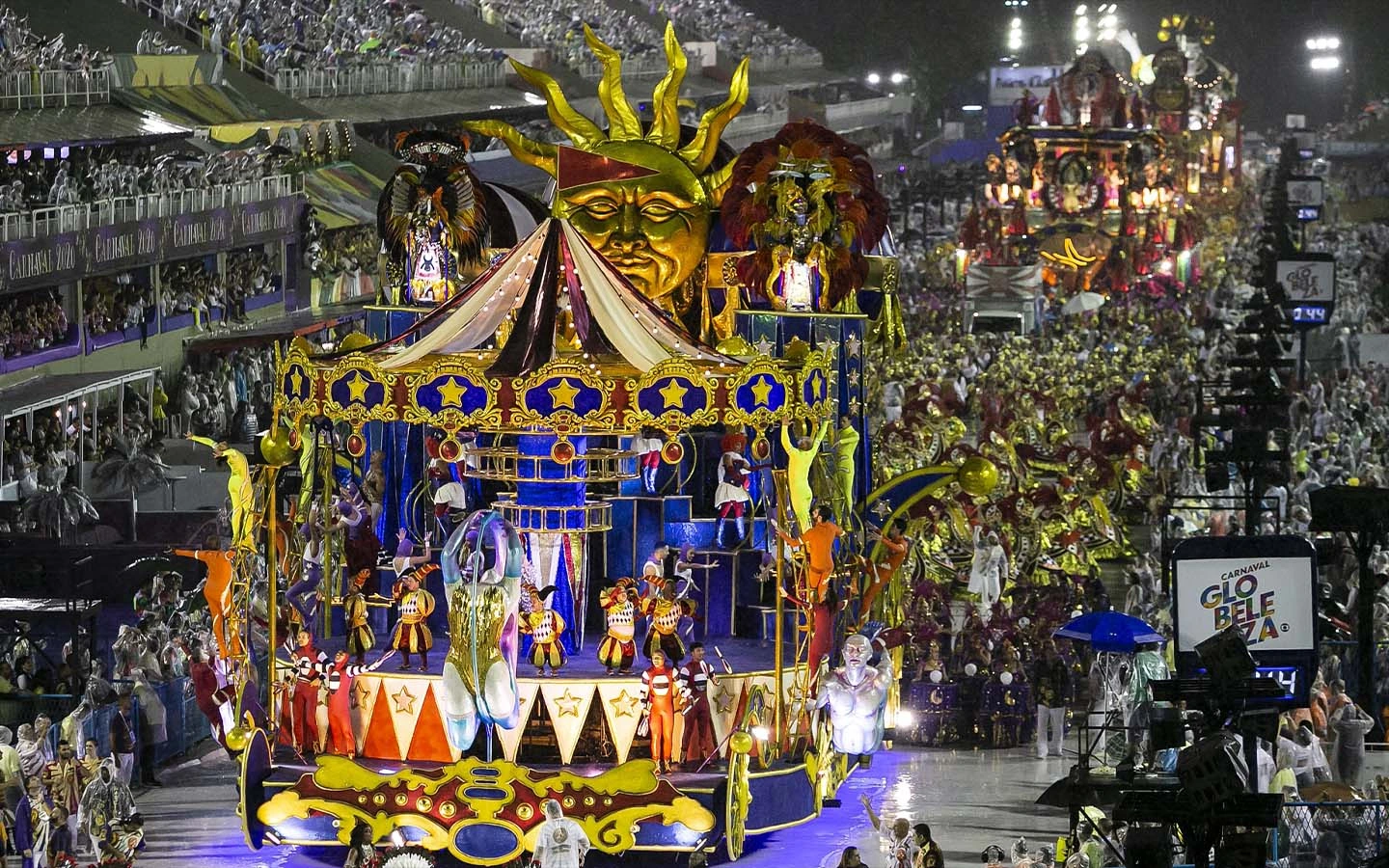
Speaking during the first night of the special samba group parades at the Marquês de Sapucaí Sambadrome, Freixo highlighted this preliminary figure as evidence of Brazil’s resurgence as a global tourism destination.
He linked the growth to broader trends, noting that January 2025 brought 1.48 million international visitors to Brazil, a 55% increase from the same month last year.
The economic impact of Carnival reflects its growing scale. The National Confederation of Commerce (CNC) estimates the festival will generate R$12.03 billion ($2 billion), representing a real growth of 2.1% after inflation adjustments.
Rio de Janeiro alone expects R$5.5 billion ($917 million) in revenues, with hotels operating near capacity and nightly rates exceeding $500 in prime locations near the Sambadrome.
The city also expanded its street party lineup to 482 events—32 more than last year—further boosting local spending. Freixo emphasized Carnival’s broad economic benefits, particularly for employment.
Carnival’s Economic Impact and Cultural Significance in Brazil
The event is expected to create 32,600 temporary jobs nationwide, with bars and restaurants accounting for 22,850 positions. Accommodation services will add 4,060 jobs, while transportation will generate 3,310 roles.
Informal workers, including street vendors and service providers, also benefit significantly from the increased demand during Carnival. The festival’s cultural significance remains central to its appeal.
Elaborate samba school parades at the Sambadrome attract over 120,000 spectators across three nights of performances costing over R$66 million ($11 million) to produce.
Meanwhile, street parties (blocos) and regional celebrations in cities like Salvador and Recife highlight Brazil’s cultural diversity. Salvador expects 850,000 tourists this year, contributing R$7 billion ($1.2 billion) to Bahia’s economy.
Despite challenges like overcrowding and sustainability concerns, officials view Carnival as a vital driver of Brazil’s tourism recovery. Investments in infrastructure and safety measures—such as deploying 26,000 police officers in Rio—have helped manage risks.
Freixo underscored Carnival’s dual role as both an economic engine and a cultural showcase. He stated it generates not only revenue but also joy and opportunity for millions across Brazil.
More: Brazil news in English, every day from The Rio Times.
This article was drafted with automated assistance and reviewed before publication. How we use AI · Report an error · Editorial responsibility: Matthias Camenzind, Editor-in-Chief
Living in or visiting Rio de Janeiro? See this month's events and our Rio de Janeiro city guide with rents, safety and upcoming concerts.
Brazil runoff, Sunday, October 25: Brazil runoff start time and results schedule. Latest: Brazil runoff polls, Flávio 51%, Lula 49%.