Peruvian Communities Lift Blockade on Glencore Mine After Government Agreement
Andean communities in Peru lifted a week-long blockade at Glencore’s Antapaccay copper mine after reaching an agreement with the government.
Protesters demanded prior consultations regarding the Coroccohuayco expansion project, valued at $1.8 billion, and reparations for environmental and social impacts.
The government promised to implement a consultation process and develop a reparation plan, addressing long-standing grievances over mining activities in the region.
The Antapaccay mine, located in Espinar District in Cusco, produced 145,841 tons of copper in 2024, a 15.7% decline from 2023. The drop reflects broader challenges in Peru’s mining sector, including declining mineral grades and insufficient investment.
Despite the blockade, Glencore reported no impact on production during the protest. However, tensions highlight recurring conflicts between mining companies and local communities over resource exploitation and environmental concerns.
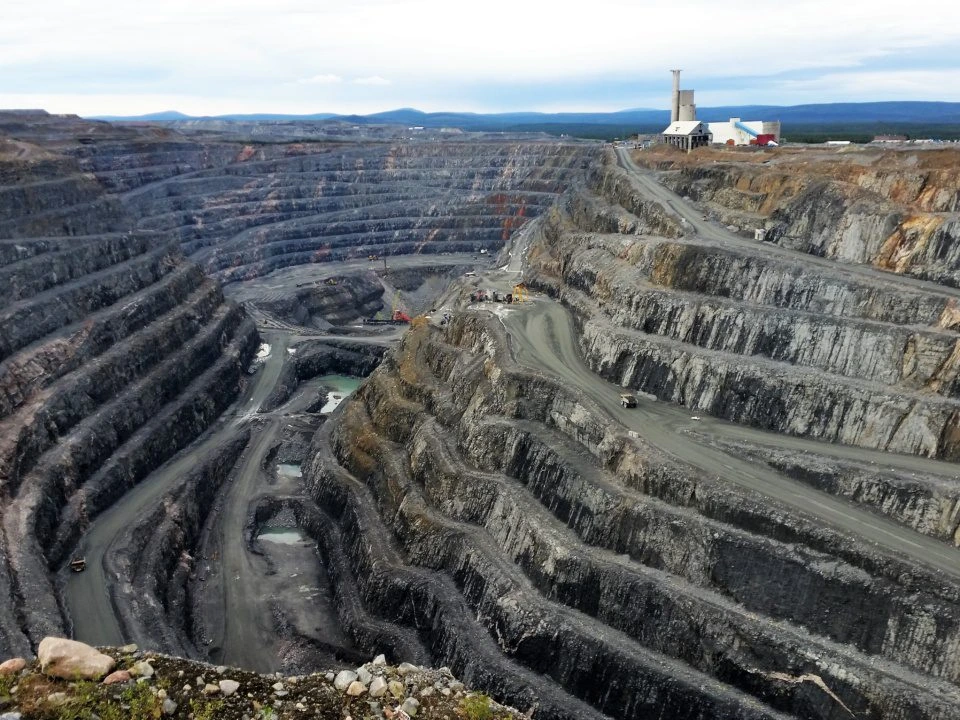
Peru, the world’s third-largest copper producer, heavily relies on mining for economic growth. Yet social unrest frequently disrupts operations. Espinar has seen repeated protests over perceived inequities in profit-sharing and fears of contamination.
Past agreements allocating mining profits to local development often failed to resolve disputes, fueling mistrust among residents. The Coroccohuayco project is critical for Glencore’s long-term operations in southern Peru.
Located near Antapaccay, it holds 643 million tons of measured and indicated resources. However, development has stalled due to opposition from indigenous communities demanding legal consultations before approval of environmental studies.
This latest agreement offers temporary relief but underscores deeper systemic issues in Peru’s mining sector. Balancing economic interests with environmental sustainability and equitable resource distribution remains a persistent challenge for all stakeholders involved.
More: Latin America news in English, every day from The Rio Times.
This article was produced by The Rio Times’ automated newsroom system. How we use AI · Report an error
Read More from The Rio Times