Panama Canal Sees Revenue Fall but Sends More Money to State
The Panama Canal Authority confirmed that its revenue will fall by about 411 million dollars in the next fiscal year, but its transfer to the national treasury will rise to a record 3.194 billion dollars.
The new budget, approved by the Panamanian Cabinet, sets total income at 5.207 billion dollars for fiscal 2026, down from 5.623 billion this year.
The authority expects traffic to soften, with 1,100 to 1,200 fewer ship transits than in the current cycle. For fiscal 2025, it projects about 13,900 vessel crossings and around 520 million tons of cargo moved.
These numbers remain high by global standards but reflect weaker trade flows and slower growth. The paradox is clear: the Canal will generate less income from tolls but will deliver more cash to the state.
For Panama, this underscores the Canal’s importance as the country’s main source of public funds. The authority plans 1.615 billion in operating expenses, while prioritizing long-term investments to secure its future.
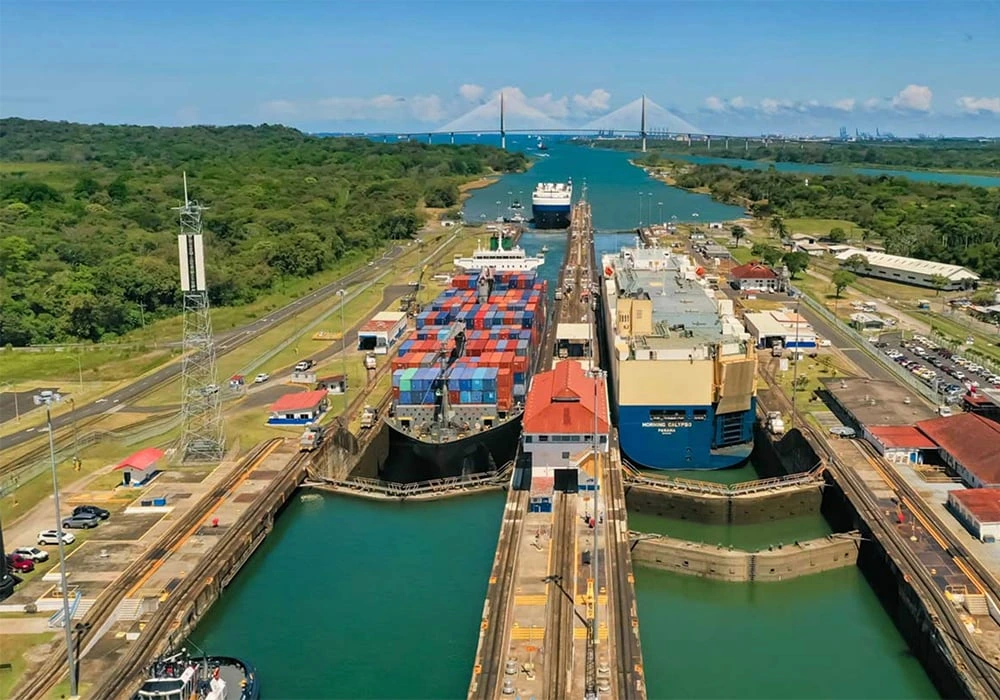
A central piece of that future is water. The Canal needs reliable supplies both for shipping and for drinking water, which serves more than half the country’s people.
The government has declared the Río Indio reservoir project of public interest, signaling urgency after years of drought forced restrictions on daily crossings and ship draft limits.
Water storage is now at the center of Canal planning. Globally, the Panama Canal remains critical, carrying about five percent of maritime trade, especially between Asia and the U.S. East Coast.
Fewer ship slots mean tighter shipping capacity, which can raise freight costs and affect delivery times. For Panama, the trade route is not just a global lifeline but also the backbone of public finances.
The story behind the figures is one of resilience and pressure. The Canal faces softer demand and fragile water conditions but still stands as Panama’s strongest economic pillar.
By increasing its transfer to the state even in a weaker year, the authority signals both its fiscal weight and the urgency of investing now to secure its role in the decades ahead.
More: Latin America news in English, every day from The Rio Times.
This article was produced by The Rio Times’ automated newsroom system. How we use AI · Report an error · Editorial responsibility: Matthias Camenzind, Editor-in-Chief