

According to recent data from the National Institute of Statistics and Geography, Oaxaca leads Mexico in industrial growth with a remarkable 15.9% annual increase in November 2024.
This surge continues a positive trend that began in March 2023, outpacing other states significantly. The Interoceanic Corridor of the Isthmus of Tehuantepec drives this economic transformation.
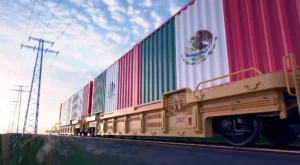
The ambitious infrastructure project connects the Pacific and Atlantic oceans through a 305-kilometer railway line between Salina Cruz and Coatzacoalcos ports.
Guerrero follows closely with 15.1% industrial growth, while Baja California Sur rounds out the top performers at 14.4%. Durango also achieved double-digit growth at 13.2%, showing a strong recovery to pre-pandemic levels.
Private developers have increased middle-class housing construction in Oaxaca de Juárez and surrounding areas. American retirees paying higher rents have driven market prices upward, creating a boom in the real estate sector.
The expansion of Puerto Escondido airport has triggered new hotel construction along the coast. Recently completed highways Mitla-Tehuantepec and Barranca Larga-Ventanilla have improved mobility throughout the state.
Oaxaca’s Economic Growth and Regional Challenges
Oaxaca recorded 8.3% economic growth throughout 2023, ranking third nationally. International exports reached $316 million in 2023, representing a 75.9% increase from the previous year.
The Salina Cruz refinery increased crude processing volume following directives to refine more oil domestically. Oaxaca also ranks first nationally in wind power production, generating 2,758 megawatts annually from 29 parks.
The Interoceanic Corridor project expects to contribute 1.6% to Mexico’s national GDP by 2050. Projections suggest it will attract $50 billion in investment and create 550,000 jobs across industrial parks along the route.
Despite this growth, challenges remain. The corridor faces sustainability concerns and potential temporary economic effects similar to previous construction projects. Environmental impacts from industrialization also raise questions.
The rest of southern Mexico shows contrasting results. Tabasco experienced a 9.9% industrial production decline, marking 13 consecutive months of contraction. Campeche fell 15.8%, while Quintana Roo suffered the steepest drop at 61.2%.
Analysts attribute these regional declines to a high comparison base effect following the completion of the Maya Train project. The corridor represents a pivotal moment for Oaxaca’s economic future amid Mexico’s complex industrial landscape.