Nicaragua’s New Electoral Law Cements Ortega-Murillo Dynasty
Nicaragua’s National Assembly unanimously approved a new Electoral Law Thursday, solidifying recent constitutional reforms that radically transformed the country’s political structure.
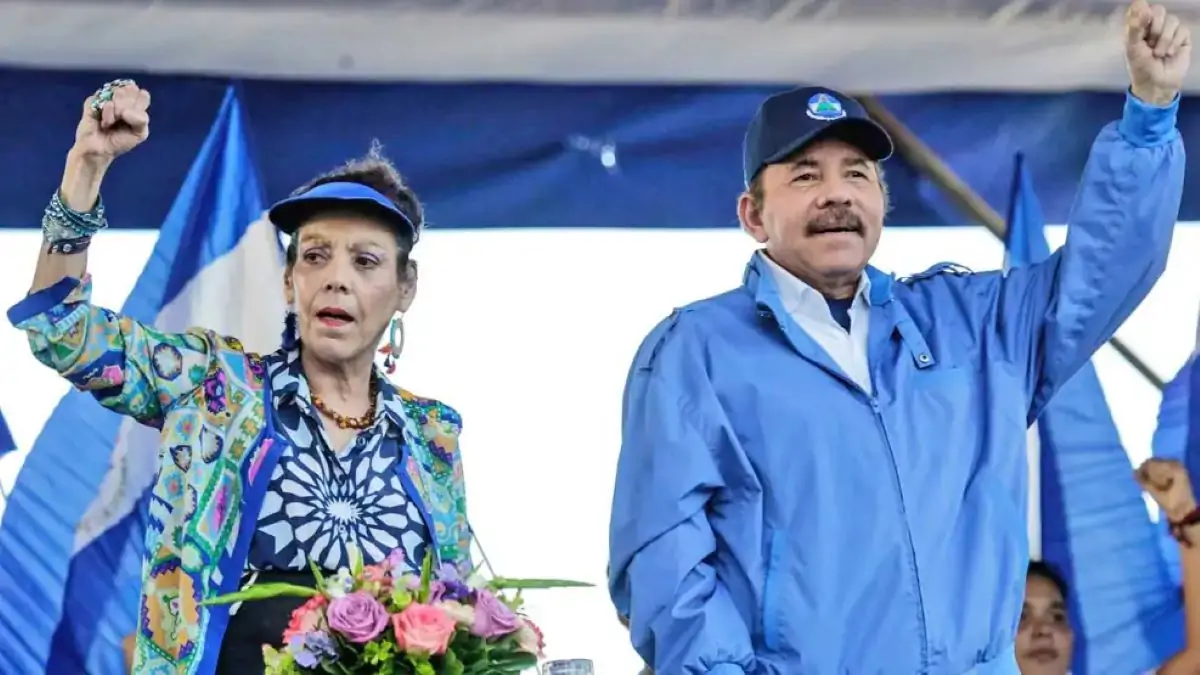
The legislation organizes elections for the newly established co-presidency currently held by Daniel Ortega and his wife Rosario Murillo without popular vote. The law extends all political terms from five to six years and bans international funding for political parties.
Sandinista deputy Carlos López claimed the funding prohibition prevents “interference” in Nicaragua’s affairs. The Supreme Electoral Council will manage elections with six regime-appointed magistrates.
However, this electoral overhaul implements January’s constitutional reforms that eliminated separation of powers. The changes subordinated judicial, legislative, and electoral branches to the executive and created a unique co-presidency system critics call a family dictatorship.
The law requires political parties to maintain gender equality in candidate nominations. It also disqualifies “traitors to the homeland” from participating in elections, language that targets regime opponents.
These changes follow years of increasing authoritarianism. Since 2018, the regime has imprisoned opponents, exiled critics, and stripped citizenship from over 450 people. Authorities have dissolved more than 5,600 non-governmental organizations and seized private property.
UN experts warned in February that Nicaragua “has dismantled the last remaining checks on its power.” They described a systematic strategy to cement total control through severe human rights violations.
The European Parliament condemned the reforms for eliminating democratic safeguards. The changes allow either co-president to appoint multiple vice presidents, ensuring dynasty continuation.
If Ortega dies, Murillo automatically becomes sole president without new elections. Human Rights Watch reports the constitutional changes provide legal cover for “systematic human rights violations.”
Nicaragua has transformed from a democratic republic to what international observers describe as a totalitarian family regime with virtually no independent institutions remaining.
More: Latin America news in English, every day from The Rio Times.
This article was produced by The Rio Times’ automated newsroom system. How we use AI · Report an error · Editorial responsibility: Matthias Camenzind, Editor-in-Chief