Macron’s Call to Halt U.S. Investments Risks Europe’s Global Standing
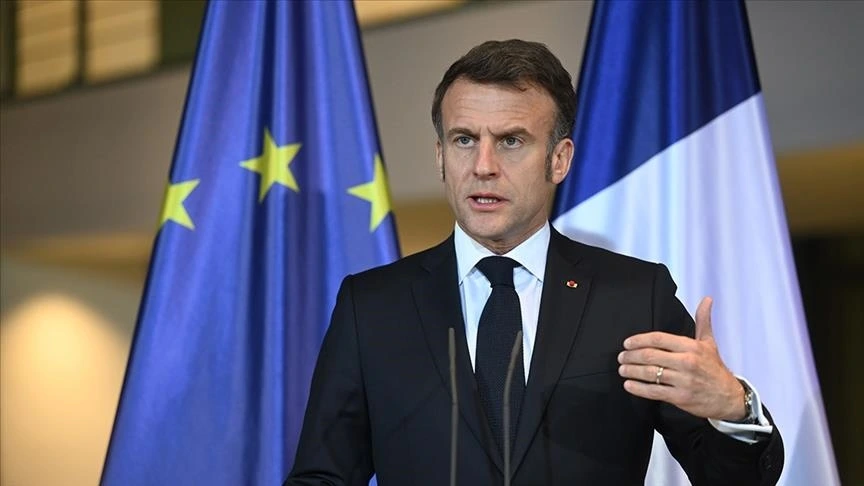
French President Emmanuel Macron’s recent plea for European companies to suspend investments in the United States underscores growing tensions between Europe and its largest trading partner.
Macron’s remarks came after U.S. President Donald Trump imposed sweeping tariffs on European imports, including a 20% levy on goods, which Macron described as “brutal and unfounded.”
The French leader called for “collective solidarity” among EU nations, urging a coordinated response to what he sees as a direct challenge to Europe’s economic interests.
Macron’s stance has sparked criticism for its potential to harm European businesses more than it pressures the U.S. French firms have significant stakes in the American market, with direct investments totaling $370 billion in 2023.
Companies like CMA CGM and Schneider Electric recently announced U.S. investments of $20 billion and $700 million, respectively. These investments are aimed at bolstering logistics and energy infrastructure.
These projects not only promise growth but also deepen transatlantic economic ties, making Macron’s call for suspension a risky move. While Europe debates retaliatory measures, other global players are taking a different approach.
Global Investment Trends and Europe’s Economic Challenges
Saudi Arabia, for instance, plans to invest $600 billion in the U.S. over four years, focusing on sectors like energy and technology. Similarly, the UAE has committed to a $1.4 trillion investment framework over the next decade, targeting artificial intelligence, clean energy, and advanced manufacturing.
Japan continues its long-standing strategy of integrating into U.S. supply chains through substantial investments in automotive and technology sectors.
These nations recognize the strategic importance of maintaining strong economic ties with the U.S., even amid political disagreements. Their investments aim to secure access to lucrative markets while fostering innovation and economic resilience.
In contrast, Europe’s reactionary stance risks isolating it from global economic hubs. Macron’s call reflects broader frustrations within the EU over its limited leverage in trade disputes with the U.S., but it also highlights Europe’s reliance on American markets and defense capabilities.
As other nations strengthen their positions through calculated investments, Europe’s inward-looking policies could undermine its global influence.
The disparity between Europe’s reactive measures and others’ proactive strategies raises questions about the continent’s long-term competitiveness. Without a shift toward pragmatic engagement, Europe risks diminishing its relevance in an increasingly interconnected global economy.
This article was produced by The Rio Times’ automated newsroom system. How we use AI · Report an error
Read More from The Rio Times